#LivingLegacy

PPNEA is pleased to share the #LivingLegacy article by PONT, part of a BBC StoryWorks series presented by IUCN, which highlights the stories of organizations creating long-lasting environmental impact. This publication also marks the 10th anniversary of the Prespa Ohrid Nature Trust (PONT), and we are proud to reflect on our shared journey in nature conservation.
Over the years, PPNEA has been a key partner in advancing major initiatives for ecological corridors, conducting feasibility studies, and implementing strategic interventions that have paved the way for many organizations to receive support and expand their work in the field. Since 2017, the collaboration between PPNEA and PONT has contributed significantly to biodiversity protection, community empowerment, and the preservation of Albania’s natural heritage.
The #LivingLegacy article, titled “How PONT supports cross-border biodiversity through cooperation with shepherds,” features insights from PPNEA’s Executive Director, Aleksandër Trajçe, who highlights the vital role of local communities and traditional shepherds. As daily observers of nature, shepherds provide invaluable first-hand information on wildlife and habitats. Their collaboration is essential for education, advocacy, and the monitoring of threatened species such as the Balkan lynx, wolves, and bears, and supports the development of ecological corridor strategies that ensure genetic flow and species diversity.
Read how PONT’s long-term commitment is creating a “Living Legacy” for generations to come:

PONT was established in November 2015, and this year celebrates 10 years of impact. As part of this, PONT is delighted to announce that it is part of the Living Legacy series, a powerful new branded content series presented by International Union for Conservation of Nature produced by BBC StoryWorks Commercial Productions. Through human-centric storytelling, Living Legacy will explore interventions that help to reduce its impact on the natural world.

We are also sharing some of our achievements over the years below. From supporting women-led endeavours to delivering equipment to frontline organisations to fight devastating fires. During that time, we’ve also expanded our support from the Prespa Ohrid region to include the Korab-Shara region and the Albanian Alps Region as well as Connectivity Conservation regions – because nature knows no boundaries.

We hope you will join us in celebrating people and nature working together for future generations!

10 Years of Impact
How Pont supports cross border biodiversity with shepherds

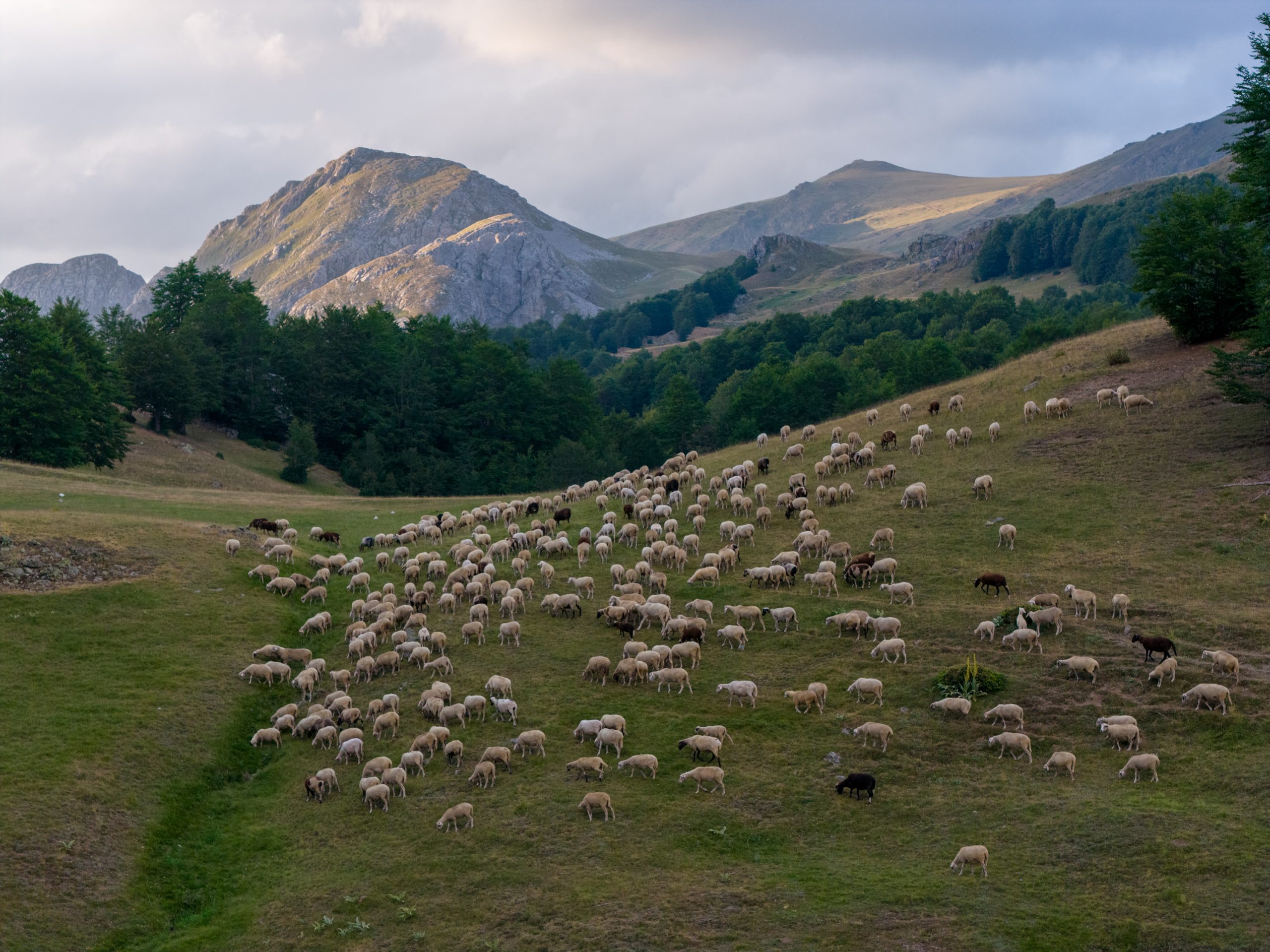
Pont supports programmes designed to secure ecological corridors that allow wildlife to move safely between the transboundary clusters of protected areas. These corridors are not just green highways for animals; they are mosaics of forests and pastures where humans and wildlife coexist.

Our story is part of the BBC StoryWorks series “Living Legacy,” exploring how people and nature can thrive together. In this article, discover how PONT’s work supports local communities, restores ecosystems, and builds a sustainable future for the Prespa and Ohrid regions.

 Presented by: IUCN
️ Produced by: This article was produced for Prespa Ohrid Nature Trust by BBC StoryWorks Commercial Productions.

The Shepherds

The care the shepherds show for the environment is greatly valuable, says Victoria Saravia-Mullin, a bird life conservationist in the Hellenic Ornithological Society who monitors the Egyptian vulture’s population in Greece. Traditional livestock shepherds look to the annual return of the Egyptian vulture as a positive omen, one which promises the return of spring and better weather – a welcome reprieve after harsh winter conditions where temperatures can drop below 0C. By monitoring when the Egyptian vulture arrives, they can contribute to conservation efforts that are helping to protect this endangered species. The bird also has a rich presence in many folklore tales and songs – ultimately, it’s part of the shepherding way of life.

However, “[this knowledge] is being lost because traditional livestock breeding or sheep farming is disappearing,” says Saravia-Mullin. “And with it, everything that’s linked to it. The whole ecosystem is changing.”

Egyptian vultures are philopatric creatures, meaning they typically return to the same breeding places year after year. Saravia-Mullin explains that the shepherds help identify old nests and breeding spots, which is crucial information as the species’ population is notably deteriorating in virtually every country that it is found. “In 2012, we counted 15 territories in the whole of Greece. Now it’s just five breeding pairs and at some points just three,” she says.

“This profession has been passed down in our family since my
grandfather,” he says. “It’s been in our family for around 30 years.” Urim Mana
Caretakers of the land


Egyptian vultures aren’t the only species with minuscule numbers. The Balkan lynx, a species which is rare by nature, follows closely. There are at most 50 Balkan lynx in the wild, of which 10 are thought to live in Albania. “The home range of one individual lynx is 400-500 sq km and it does not allow other lynx within that territory of the same gender,” Albanian conservationist for more than18 years, Aleksandër Trajçe, explains.

Trajçe’s work focuses on the protection and preservation of the natural environment, especially endangered large mammals. With Pont he is working closely with the shepherds to both educate and advocate for improving the protection of habitats which birds and animals live in. He focuses on species such as the Balkan lynx, wolves, jackals and bears. Establishing a strong relationship with traditional livestock farmers greatly benefits his work. “They are the number one informant to go to, since most of the time they are in nature with their flocks meaning they are first-hand observers to many species.”

Shepherds’ awareness of large carnivores has been passed down from generation to generation. Understanding the characteristics of each predator is essential to protect their livestock. Shepherd Urim Mana says on multiple occasions he’s come across bear tracks. “We’re never afraid though,” he reassures, seeing signs of such animals within the vicinity of his herd only deepens his knowledge, which is a vital source for preservation workers like Trajçe.

“Shepherding is not just a profession, it’s a way of living that revolves around the natural
cycles,” says Trajçe.
Working together

The relationship between shepherds, researchers and conservationists benefits the shepherds in ways beyond knowledge sharing. Victoria Saravia-Mullin explains that many shepherds that support her in her research are provided with predator deterrents like electric fences and fox lights, and first aid kits for their dogs. All of this goes some way to discourage the shepherds from resorting to using poison baits -the Egyptian vulture’s main threat- to ward off wolves and bears.

But challenges remain. With fewer herders maintaining pastures, shrubland encroaches, shrinking open habitats. Meanwhile, proposed infrastructure projects, like hydropower and new roads, could fracture corridors if not carefully managed.

Living Legacy

From building greater climate resilience to restoring biodiversity, the challenges the world faces today often call for solutions that work better for both people and the planet.

Living Legacy looks at how conserving and protecting nature can help reduce emissions, strengthen communities, support economies, and improve lives.

At the heart of every story is a simple but powerful question: can human societies and nature grow together?

Start your journey here: https://www.bbc.com/storyworks/specials/living-legacy/