
Biodiversity conservation begins with recognizing and understanding the natural values of an area. Scientific research and the protection of endangered species are key steps in revealing the importance of ecosystems, guiding conservation measures, and ensuring that nature receives the attention and protection it deserves. However, the long-term success of these efforts requires the collaboration of institutions, local communities, schools, organizations, and all stakeholders who share the same landscape with wildlife. It is precisely on this principle that the work of the Balkan Lynx Recovery Programme (BLRP) is built.
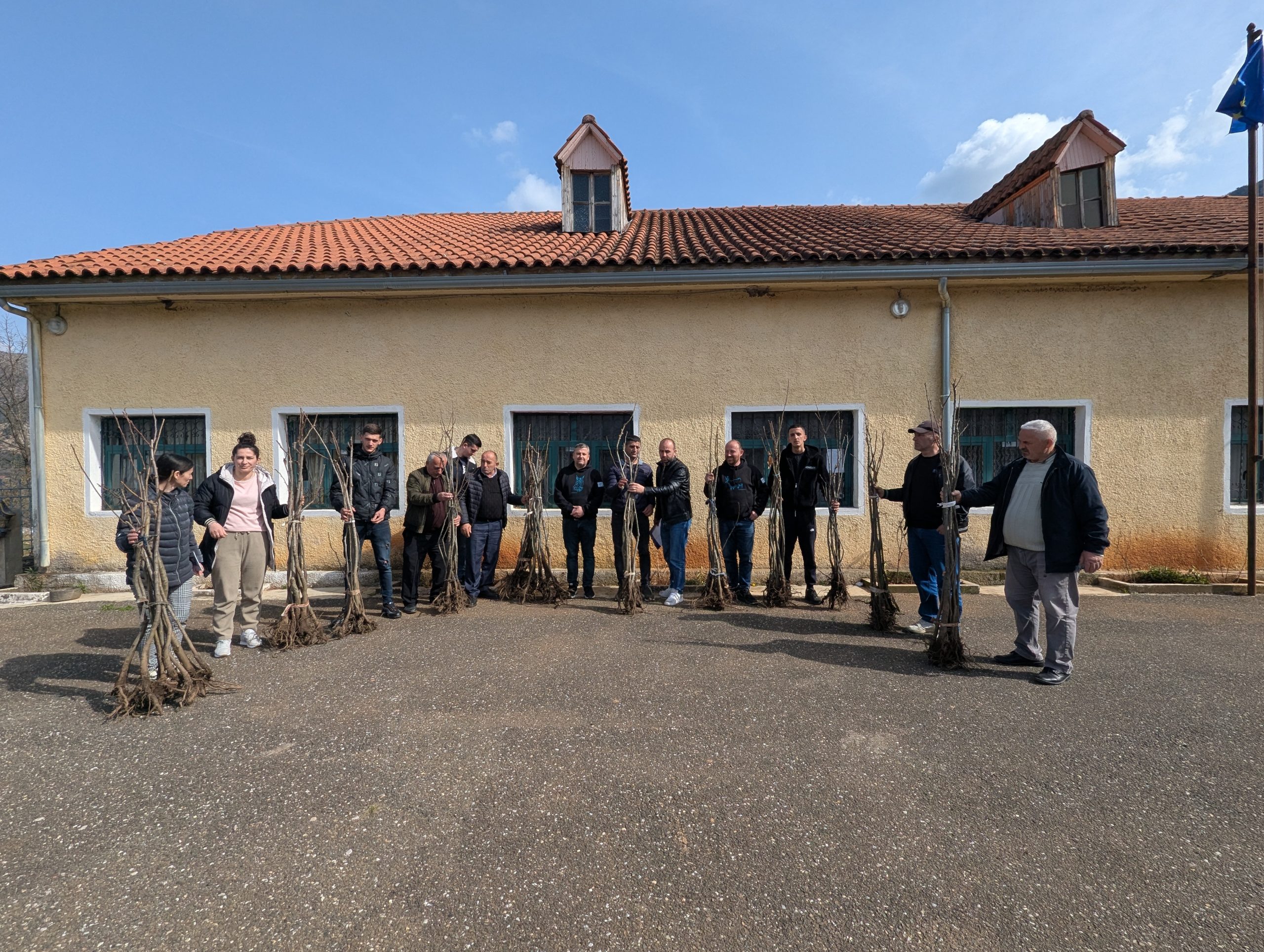
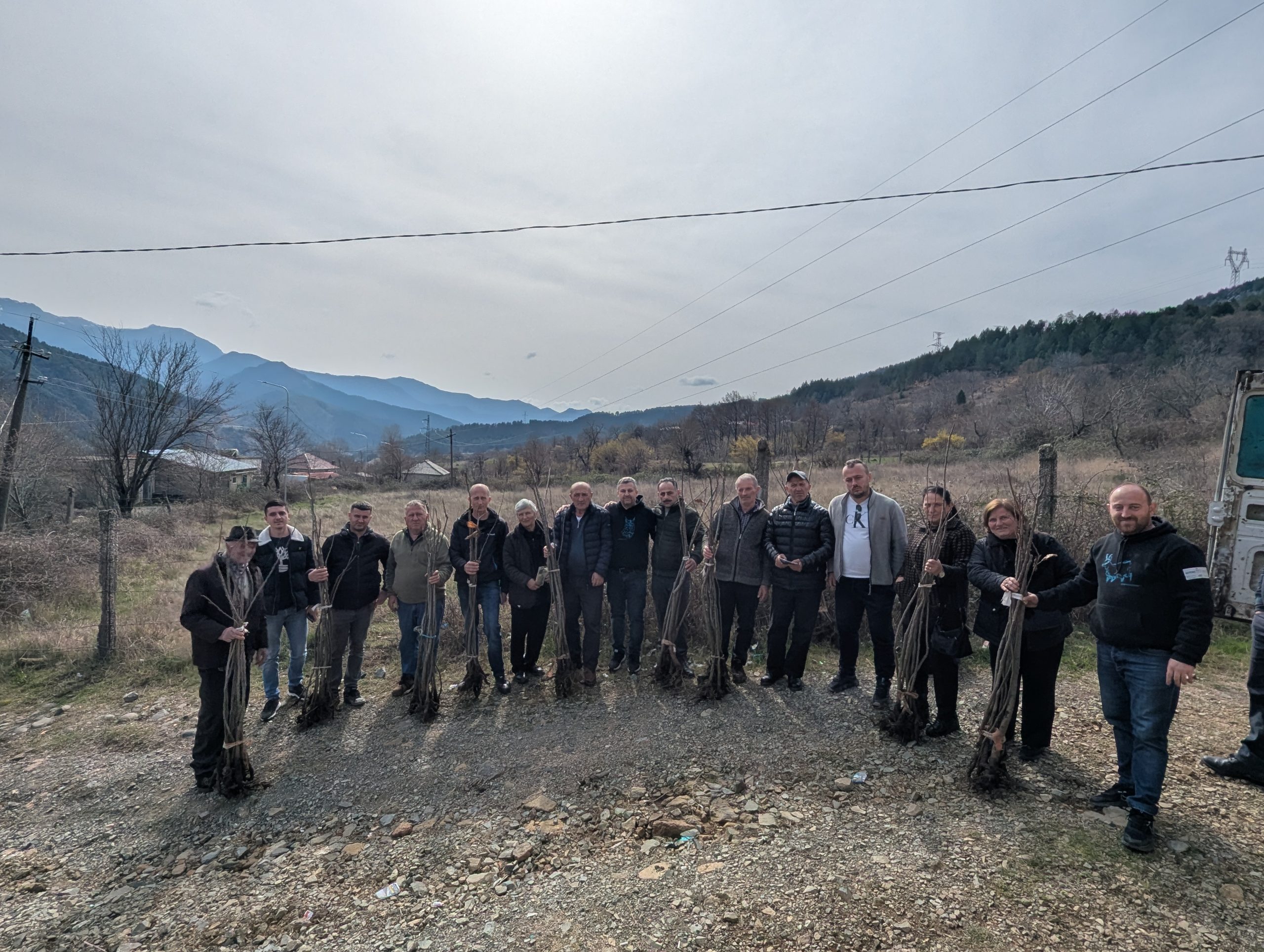
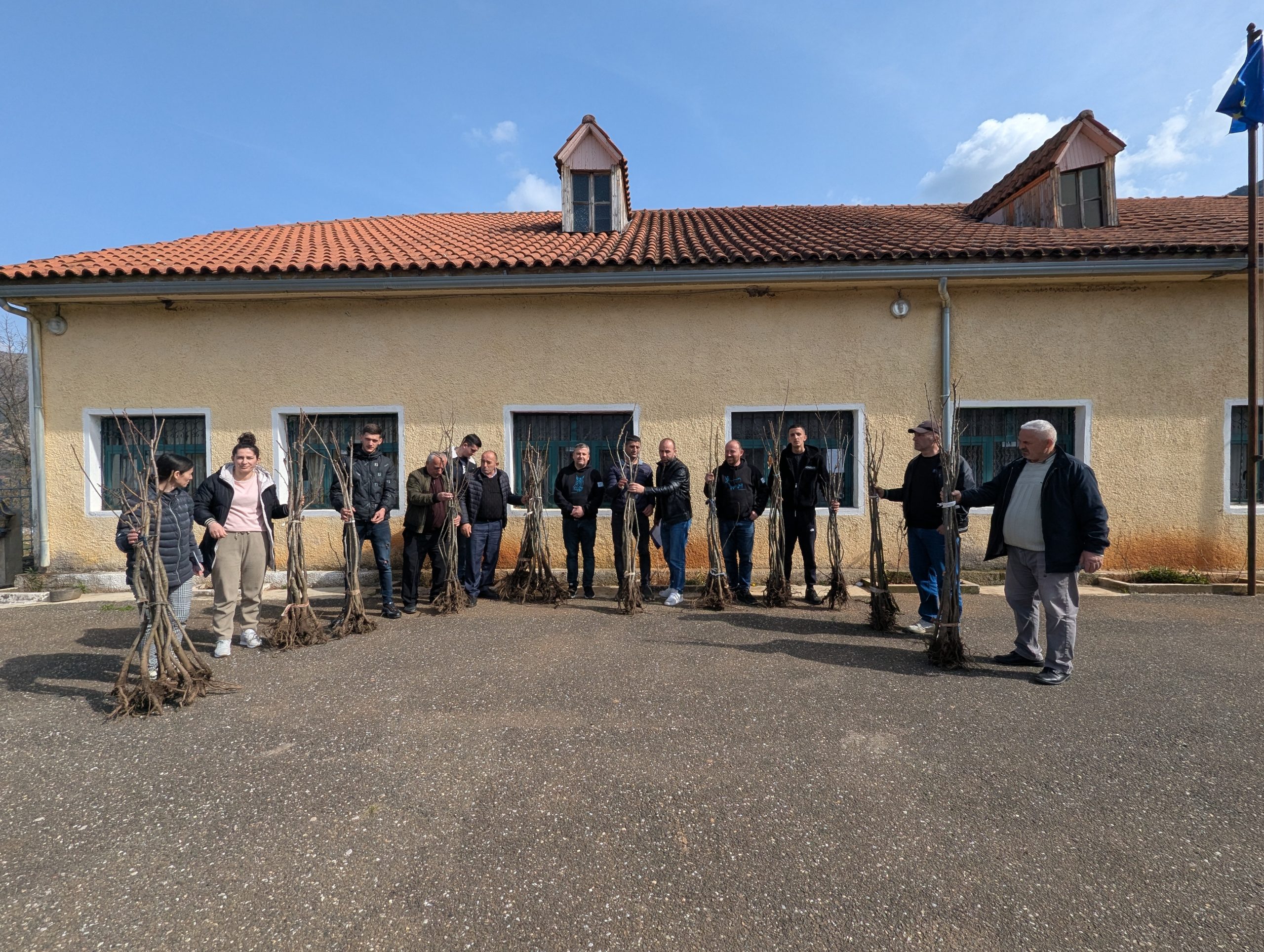
In the Munella Nature Park, one of the most meaningful examples of this collaboration was the initiative to plant 600 chestnut saplings in the villages of Don Gjon, Kimzë, Gjegjan, and Gojan. Sixty families participated in this activity, with each family receiving ten saplings to plant in their yards, directly contributing to habitat restoration.
Beyond tree planting, this initiative strengthened the partnership between conservation experts and local residents. Scientific knowledge was combined with local experience to restore habitats and improve ecological connectivity between them. Over the years, these saplings will provide food and shelter for many wildlife species, including the Balkan lynx, as well as other species that depend on healthy habitats.
The restoration of these habitats is particularly important at a time when many wildlife species face multiple pressures, such as habitat degradation, deforestation, wildfires, and illegal activities. For this reason, every effort to restore and protect ecosystems represents a direct investment in their future.
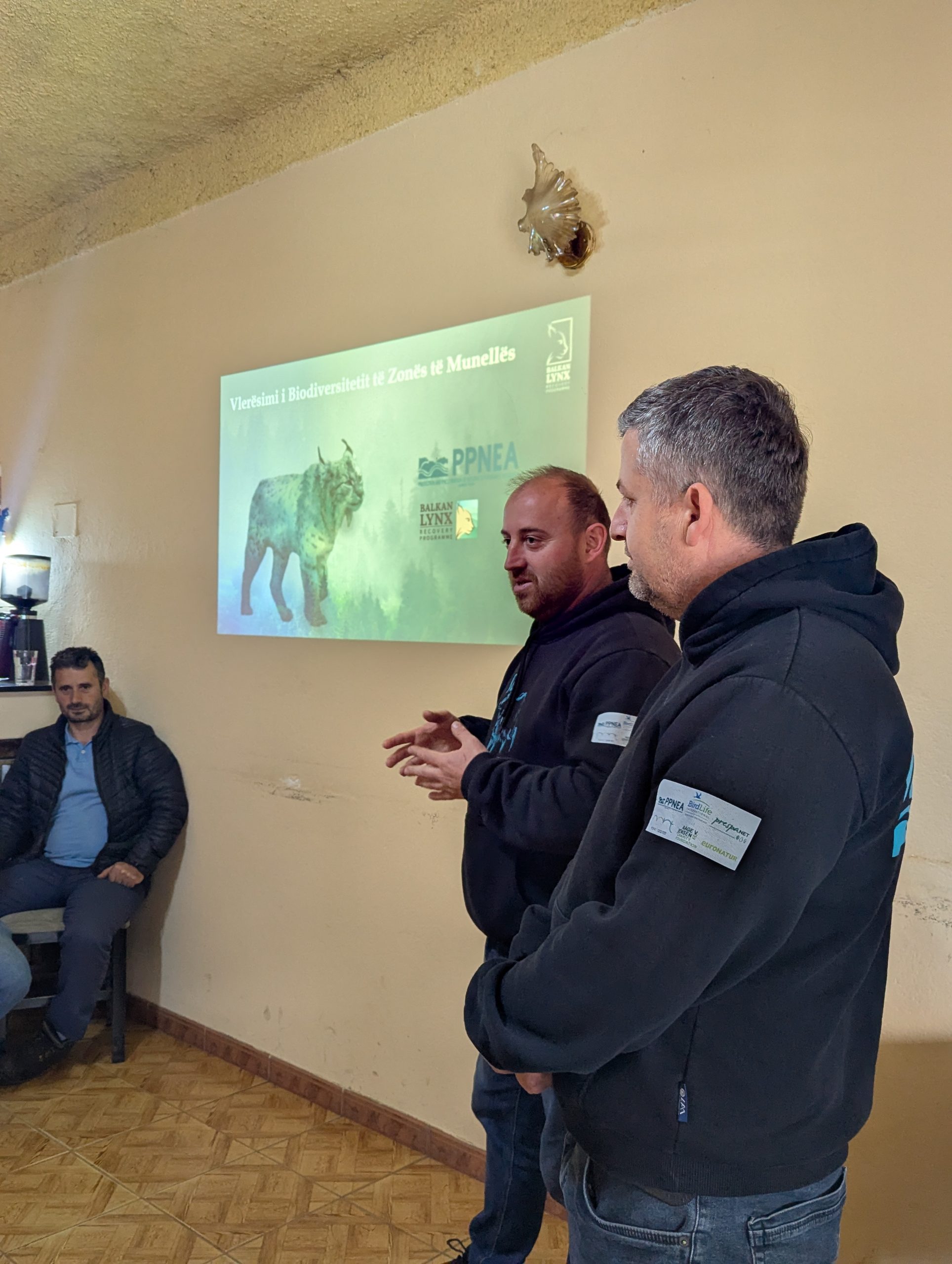
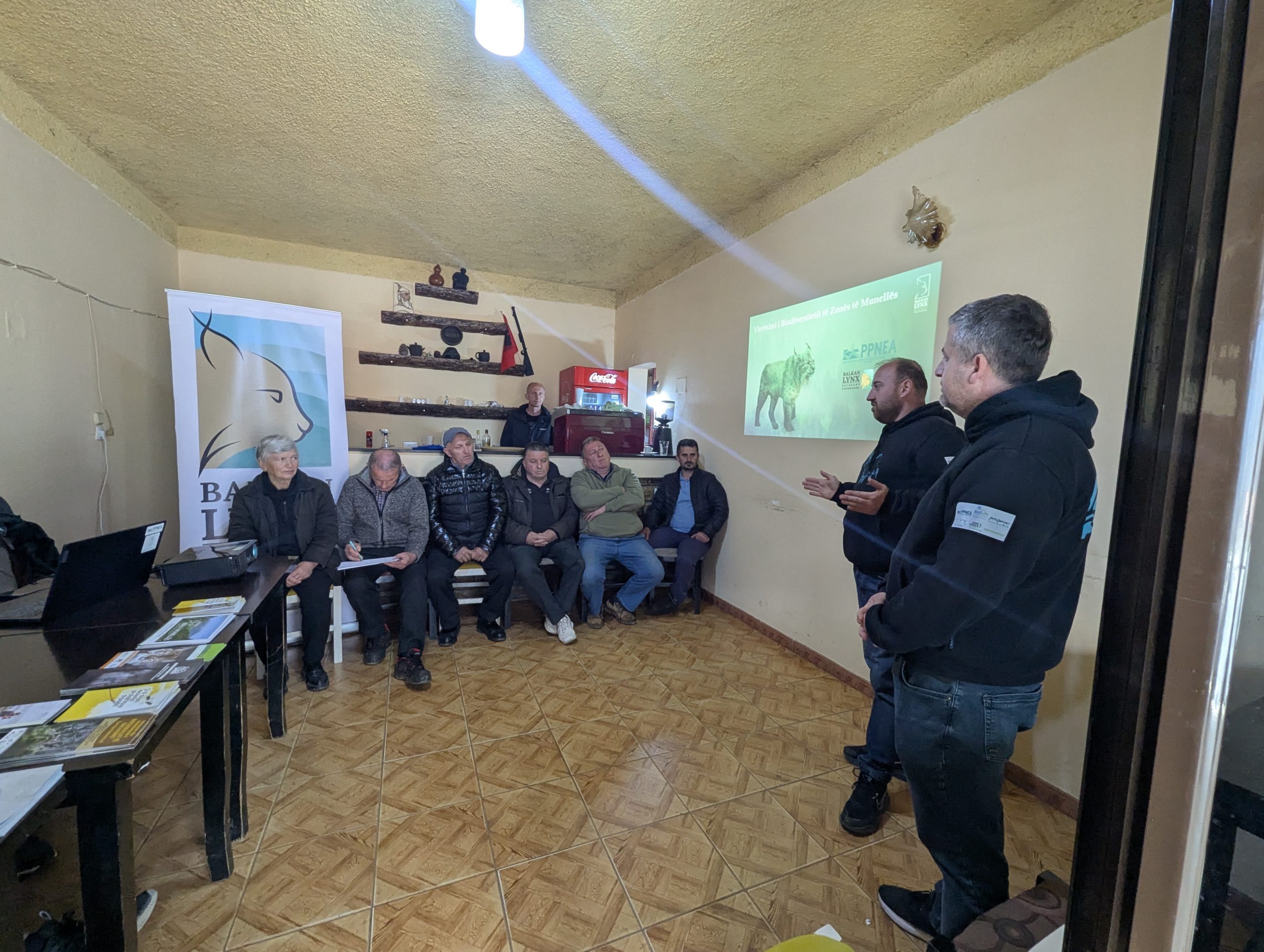
During the distribution of the saplings, discussions were also held with local residents about the importance of biodiversity and the role each person can play in protecting nature. These meetings strengthened trust and cooperation between the project and the community, once again demonstrating that nature conservation is most successful when everyone becomes part of the solution.