PrespaNet calls for the UNESCO initiative to be anchored in the 2010 Prespa Park Agreement, with cooperation and conservation action starting now
Prespa, 12 October 2026
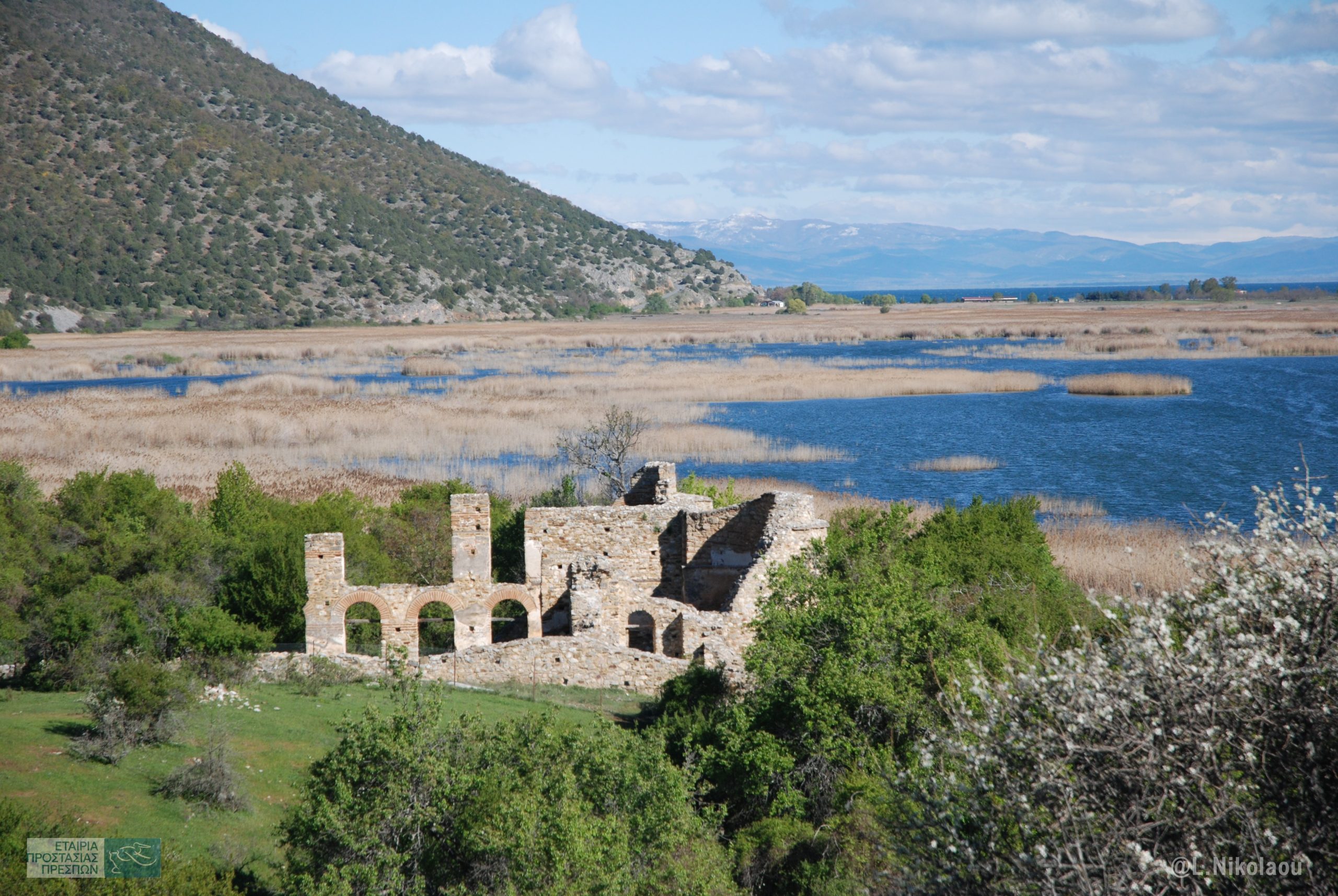
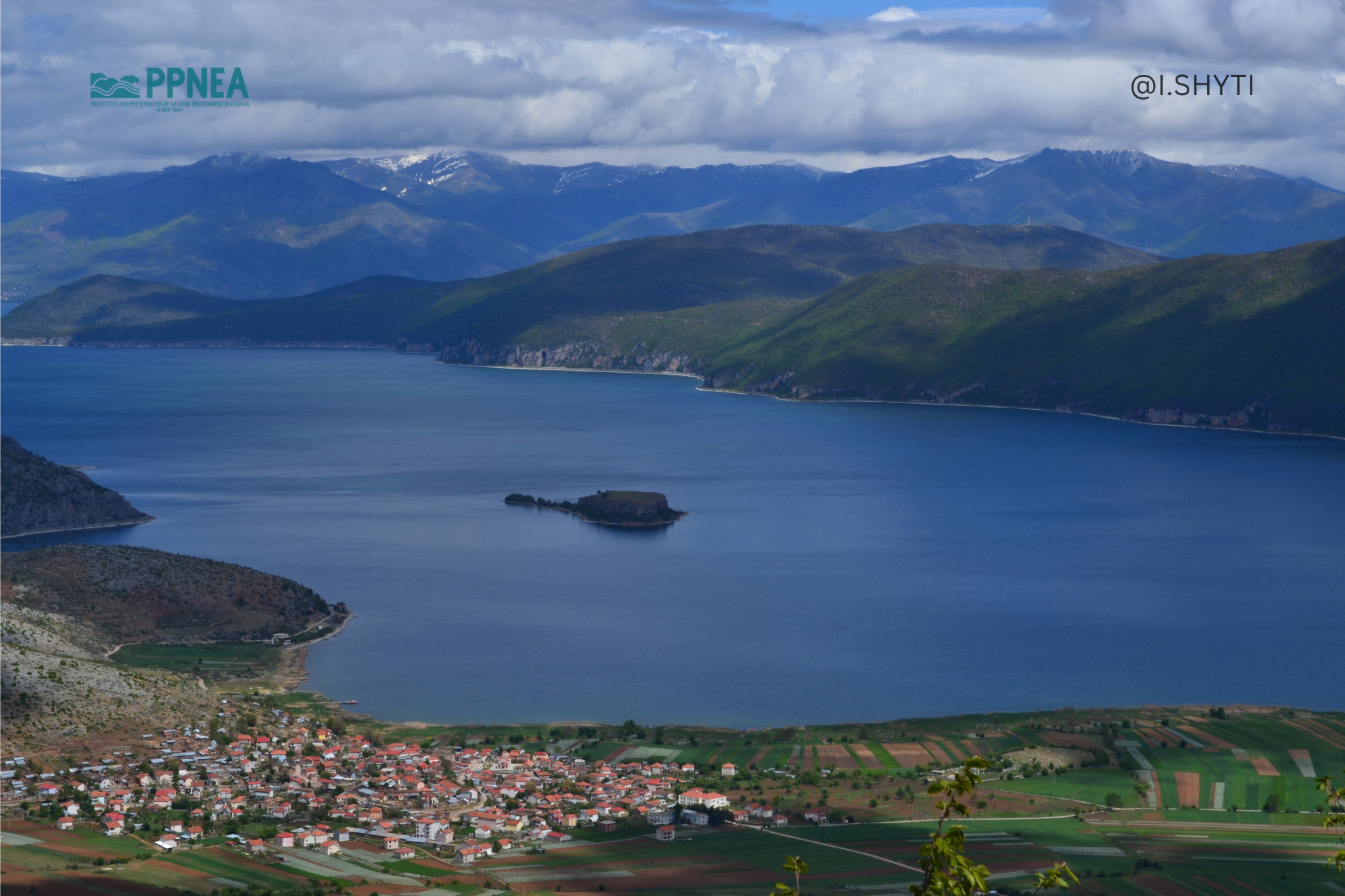
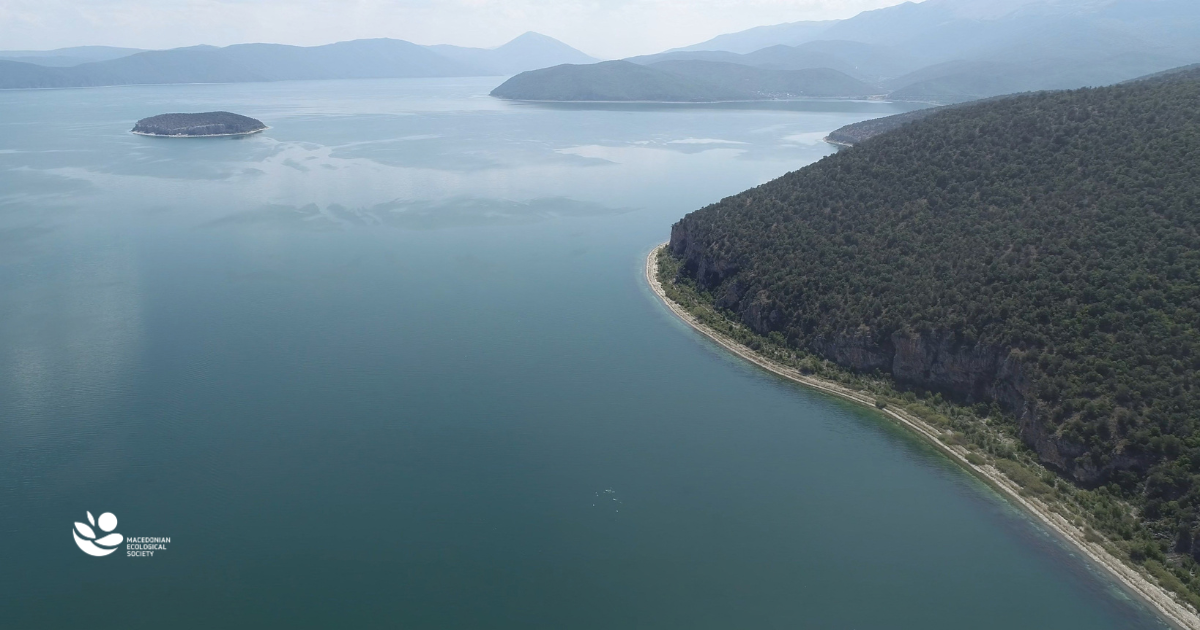
Following the meeting of the culture ministers of Albania, Greece and North Macedonia in Prespa, Greece, last Friday, PrespaNet welcomes the initiative to explore a joint nomination of the transboundary Prespa region as a mixed natural and cultural UNESCO World Heritage site. This offers an important opportunity to bring renewed international attention to a shared landscape of exceptional biodiversity, cultural heritage and living traditions, and to strengthen cooperation for its future.
World Heritage recognition could potentially bring meaningful benefits to Prespa and its people. It could raise the region’s international profile, strengthen public and political support for safeguarding its lakes, wildlife, monuments and cultural landscapes, and help mobilise expertise, partnerships and resources for conservation. A joint designation could encourage a shared approach to research, monitoring and management across borders, while international reporting and scrutiny could reinforce accountability for protecting the area’s values.
For local communities, recognition could potentially create opportunities for carefully managed nature and cultural tourism, supported by joint interpretation and promotion of the region’s heritage. It could also strengthen pride in Prespa’s diverse traditions and deepen connections among communities across the three countries.
The preparation process itself could be equally valuable. Bringing together evidence on natural and cultural values, agreeing conservation priorities and developing an effective joint management system could build trust and improve cooperation well before any decision on inscription. Experience from the trilateral (Netherlands, Germany and Denmark) Wadden Sea World Heritage site illustrates how international recognition can be supported by an established framework for cooperation among neighbouring countries.
Prespa already has such a framework. Twenty-six years ago, on 2 February 2000, the prime ministers of the three neighbouring states committed to the protection and sustainable development of Prespa by declaring the establishment of the transboundary Prespa Park. In 2010, the three littoral states and the European Union signed the Agreement on the Protection and Sustainable Development of the Prespa Park Area, which entered into force in 2019. It explicitly recognises the basin’s natural and cultural significance and provides institutions for joint action.
Yet the gap between these commitments and their implementation remains substantial. Despite recent work to update the Strategic Action Plan, the joint institutions still lack the sustained state engagement and resources needed to turn plans into coordinated action. PrespaNet’s repeated calls for their effective operation and dependable financing have not brought the necessary progress. This is not only an NGO point of view but it has also been documented in the recommendations of the Ramsar Convention addressed to the 3 states earlier this year. Meanwhile, the basin faces mounting environmental and social pressures, particularly those associated with climate change and declining water levels. The urgency of protecting Prespa cannot be accommodated by the timetable of a future designation.
UNESCO’s Operational Guidelines require the states proposing a transboundary site to establish a joint management committee or similar body to oversee the whole nominated area. Reactivating and adequately resourcing the Prespa Park institutions would therefore serve both the existing Agreement and the proposed World Heritage nomination.
PrespaNet calls on the three governments and the European Union to connect the new initiative explicitly to implementation of the 2010 Agreement. The ministries responsible for culture and environment should work together through the Prespa Park framework, involving local authorities, protected area managers, scientists, civil society and residents. Immediate priorities should include regular meetings of the joint bodies, an operational Secretariat and water management working group, dependable contributions from the Parties, and a jointly agreed programme of practical measures, with responsibilities, deadlines and public reporting on progress.
Any future international designation—and, especially, the long process of preparing for it—must be firmly embedded in the 2010 quadrilateral Agreement and its implementation. The nomination should strengthen the institutions, knowledge and collective action needed to protect Prespa from the outset. A credible World Heritage ambition begins with delivering the protection already promised to this shared basin and its people by the three states.
PrespaNet brings together the NGOs Macedonian Ecological Society (North Macedonia), Protection and Preservation of Natural Environment in Albania (Albania) and the Society for the Protection of Prespa (Greece) in a network for conservation and sustainable development in the Prespa basin and beyond.