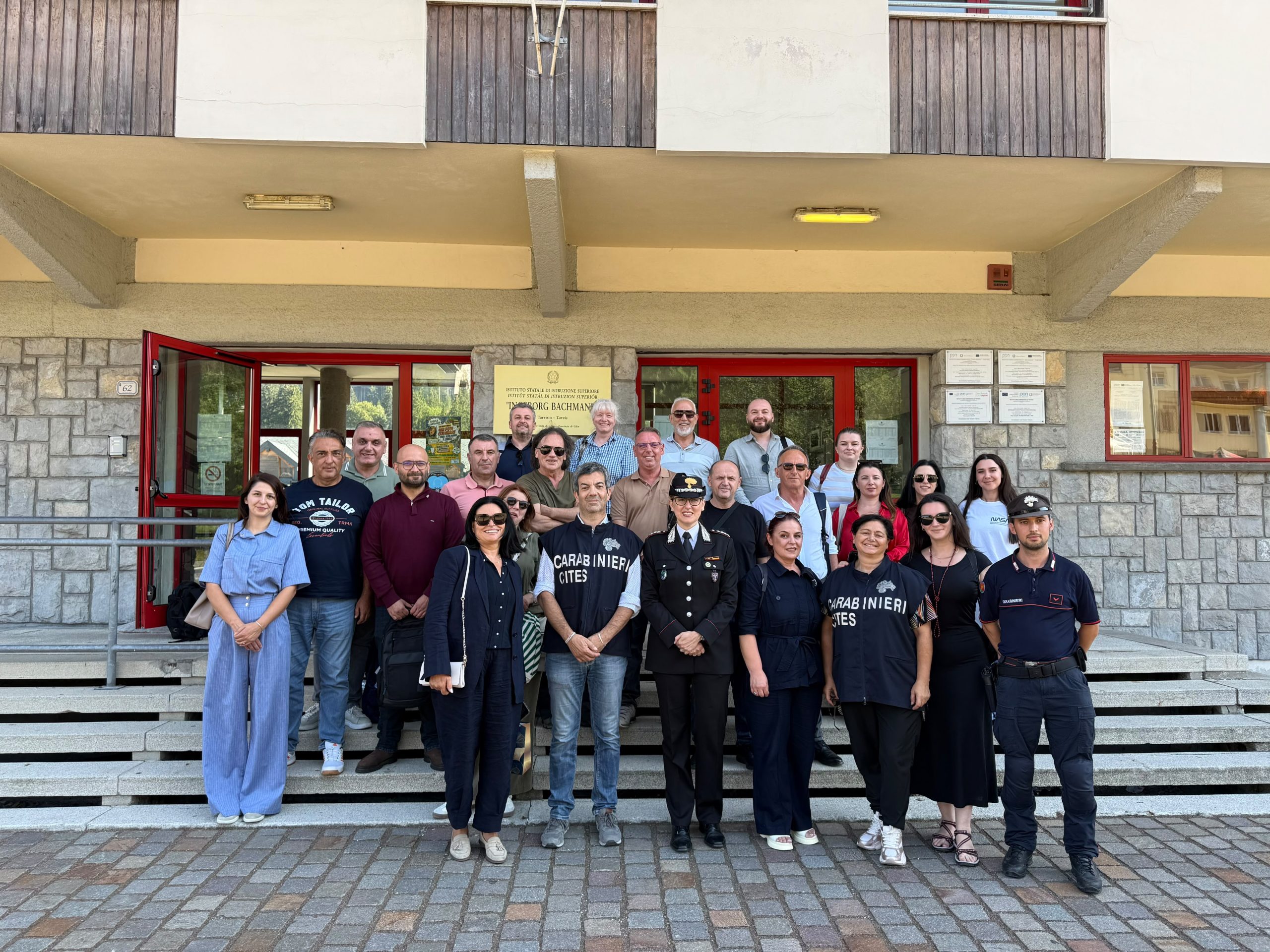

PPNEA STUDY VISIT TO TARVISIO, ITALY: STRENGTHENING LYNX CONSERVATION AND THE FIGHT AGAINST WILDLIFE CRIME
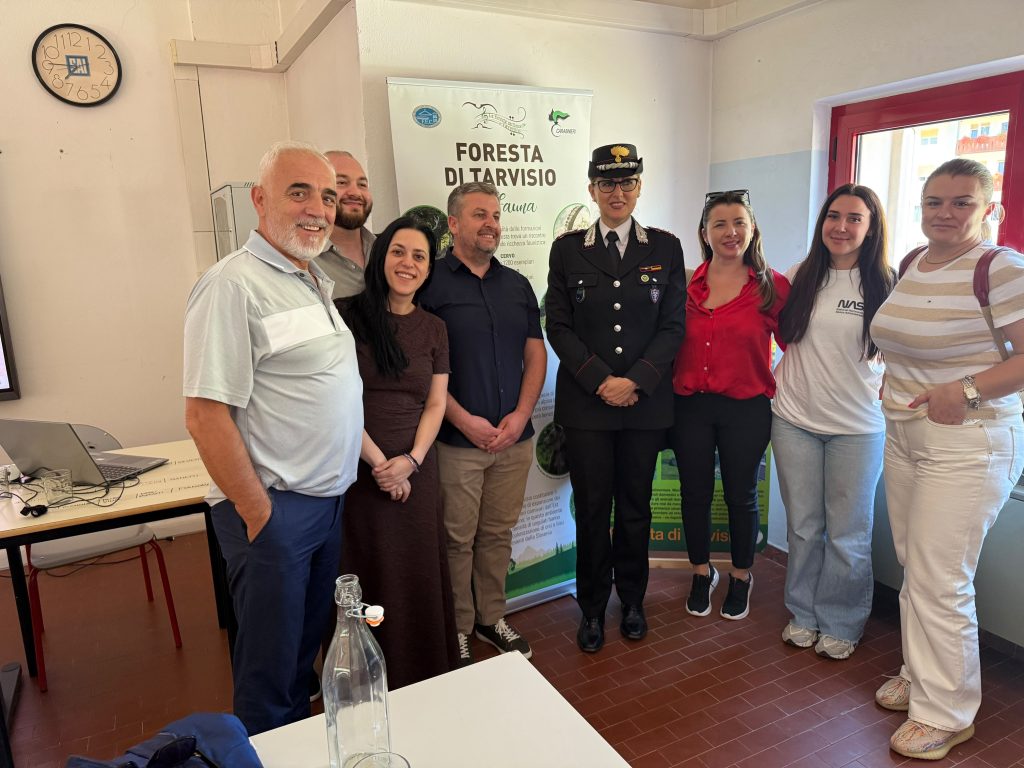
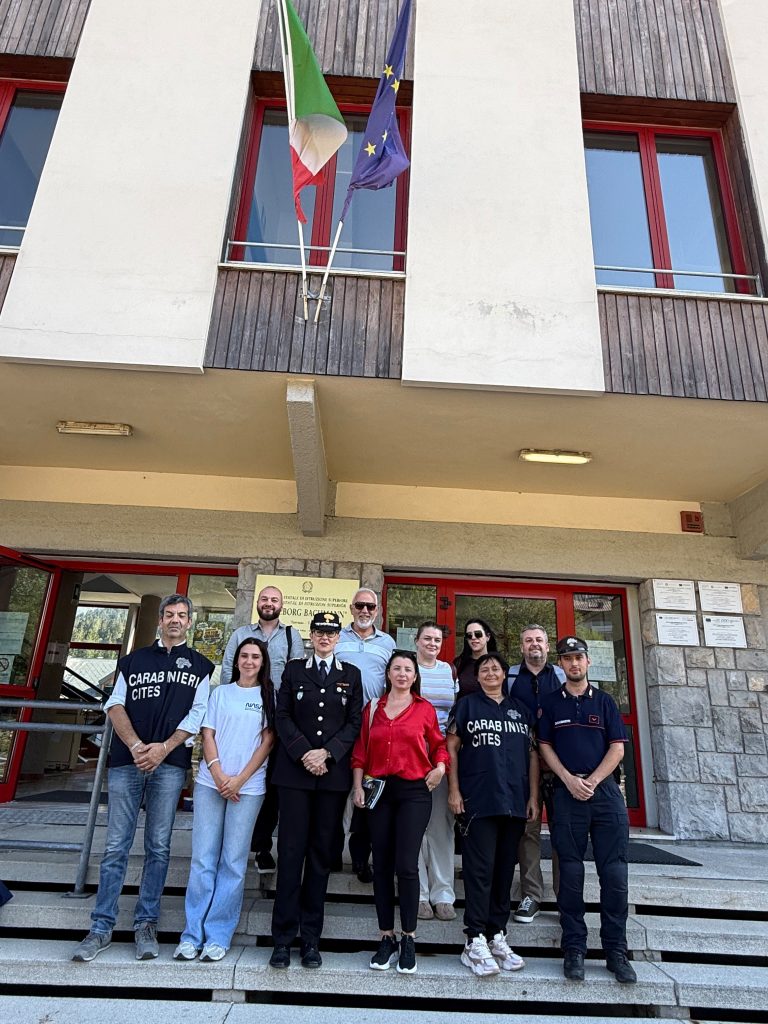
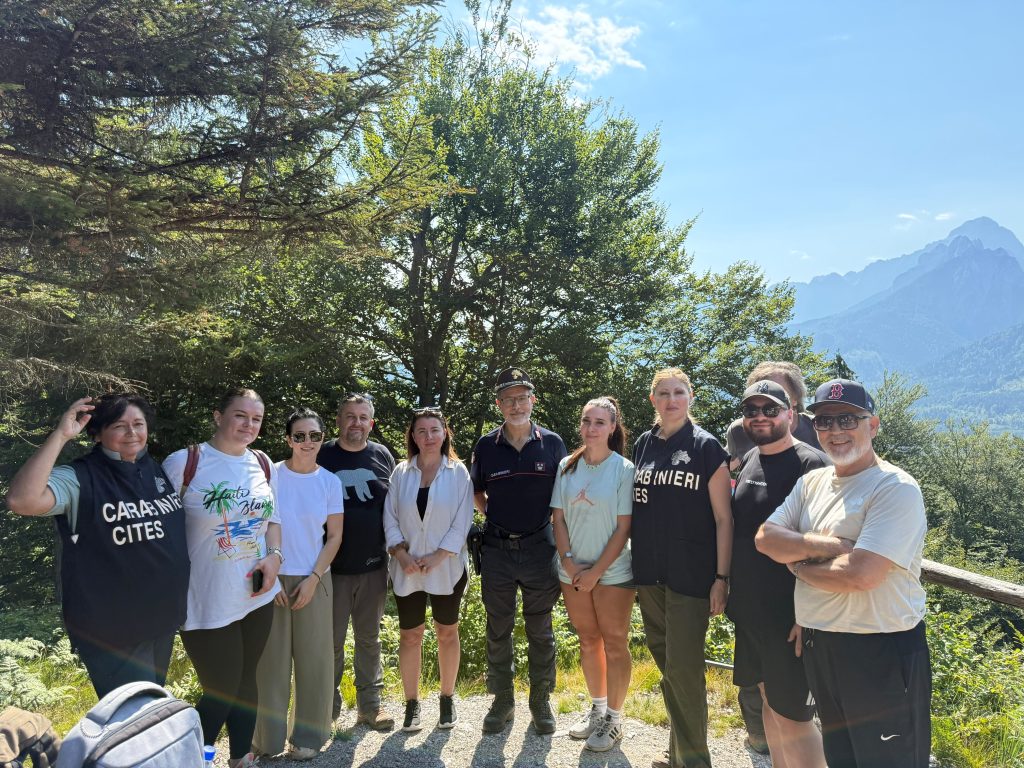
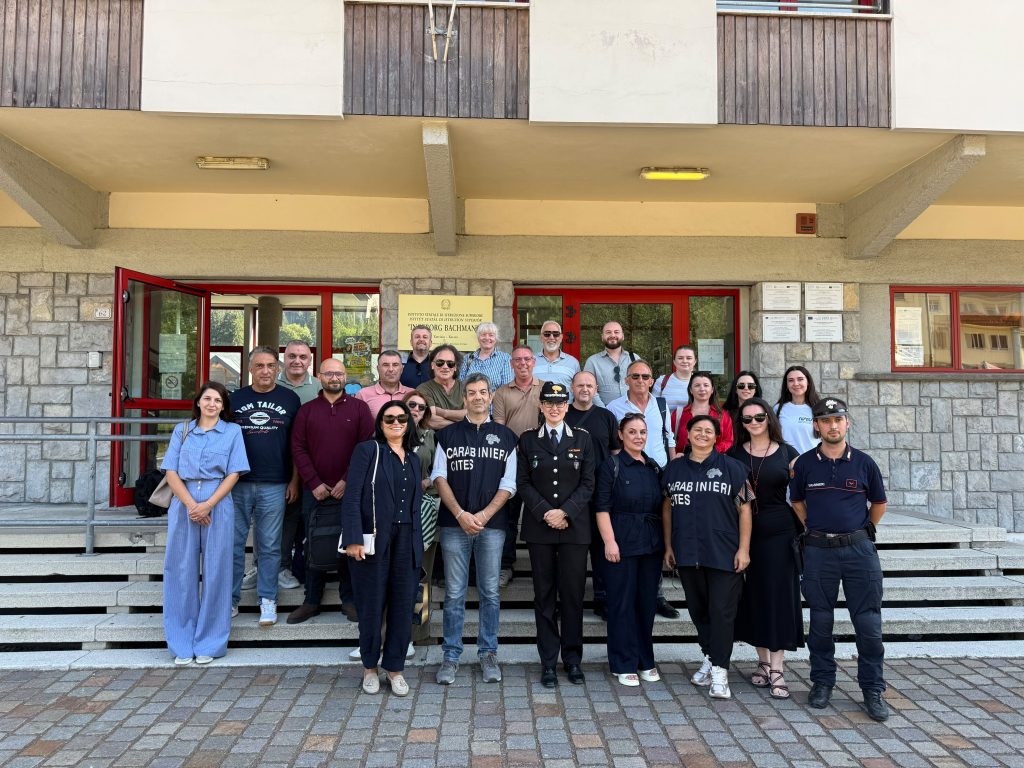
From 28 to 31 July 2026, PPNEA participated in an international study visit to Tarvisio, Italy, organised to facilitate the exchange of experiences and provide participants with insights into Italian practices for protecting the Eurasian lynx and combating wildlife crime.
The Albanian delegation included representatives of PPNEA and prosecutors from Shkodra, Kukës and Korça – three of the regions where the Balkan lynx is mainly found. Their participation was particularly important for strengthening institutional capacities to prevent, investigate and prosecute crimes involving protected species.
The visit also brought together representatives of ministries of interior and environment, public prosecutor’s offices, organisations and experts from Albania, North Macedonia and Kosovo. Its main purpose was to exchange experiences and practices among institutions from the Balkan countries and the European Union, strengthen capacities to combat environmental crime and reinforce interinstitutional cooperation.
During the study visit, participants also gained a closer understanding of the international legal framework for protecting the Eurasian lynx and, in particular, the Balkan lynx subspecies. The programme addressed the provisions of the CITES Convention, as well as other relevant international conventions concerning biodiversity conservation and the protection of endangered species.
A significant part of the programme was dedicated to the experience of the Italian Carabinieri in preventing and investigating wildlife crime. Participants were introduced to methods for combating illegal hunting, detecting poisoned baits and deploying specialised canine units. They also had the opportunity to observe their work first-hand through a field demonstration.
The visit also focused on the positive experiences and practices developed through the LIFE Lynx project (LIFE16 NAT/SI/000634), implemented to prevent the extinction of the Eurasian lynx population in the Dinaric Mountains and the Southeastern Alps. During the visit, we learned about measures to reinforce this population, monitor its genetic and demographic status, and apply scientific approaches to the long-term management of this endangered species.
The experience of the LIFE Lynx project is also directly connected to the Balkan Lynx Recovery Programme’s initiative to develop a strategy for the genetic reinforcement of the Balkan lynx population. The knowledge shared during the visit provides an important contribution to discussions on future measures for the long-term conservation of this subspecies.
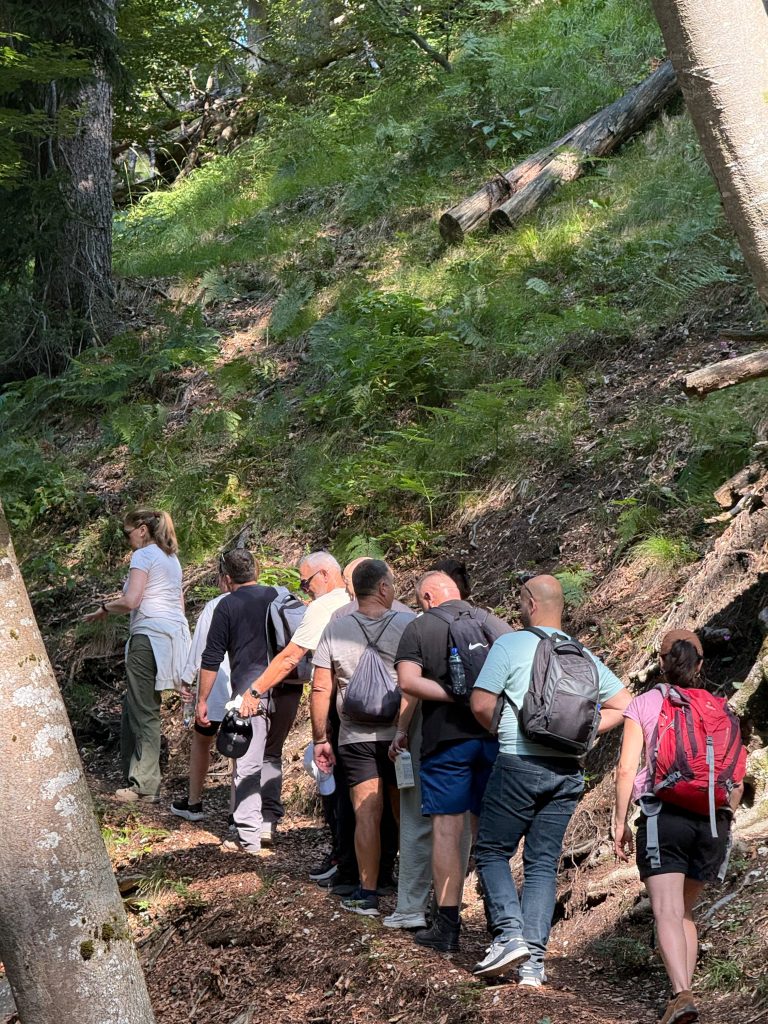
The visit also included a presentation on the process of preparing lynx for release into the wild, as well as the educational “Lynx Trail”. Through informative panels and interactive content, the trail introduces the public to lynx biology, the challenges involved in its protection and the experience gained through the LIFE Lynx project.
The visit was organised and funded within the framework of the Balkan Lynx Recovery Programme.