100 days of the ‘Flamingo Protests’: A test of Albania’s European future
What began as opposition to a local development has become a test of Albania’s future. Can environmental protection, public participation and the rule of law withstand the pressure of luxury tourism and large-scale development?How it started
The controversy started in early May, when heavy machinery entered the Pishë Poro-Nartë protected landscape, part of the wider Vjosa Delta. This stretch of coastline hosts over 200 bird species and more than 70 endangered species, and sits on a migratory flyway used by birds crossing between Africa and Europe. It is one of the last wild coastlines the Mediterranean has left.
The government called it a technical survey ahead of an environmental assessment, but the evidence told a different story.
For days, the channel connecting the Narta Lagoon to the sea was completely blocked. Bulldozers working inside a protected landscape, without permits, cut off the flow that keeps the lagoon oxygenated, keeps its salinity balanced, and keeps the food chain that flamingos, Dalmatian pelicans and nesting turtles depend on intact. Scientists later warned that continued work could have triggered ecological collapse. Much of what was destroyed – wetlands, dunes, forest, three EU “priority” habitat types – will not come back without years of restoration.
This bore little resemblance to a genuine environmental assessment. The gap between what the government claimed and what was happening on the ground eroded trust in the authorities defending a project with such profound implications on Albania’s natural heritage. It also exposed a larger question: who gets to shape Albania’s future development?
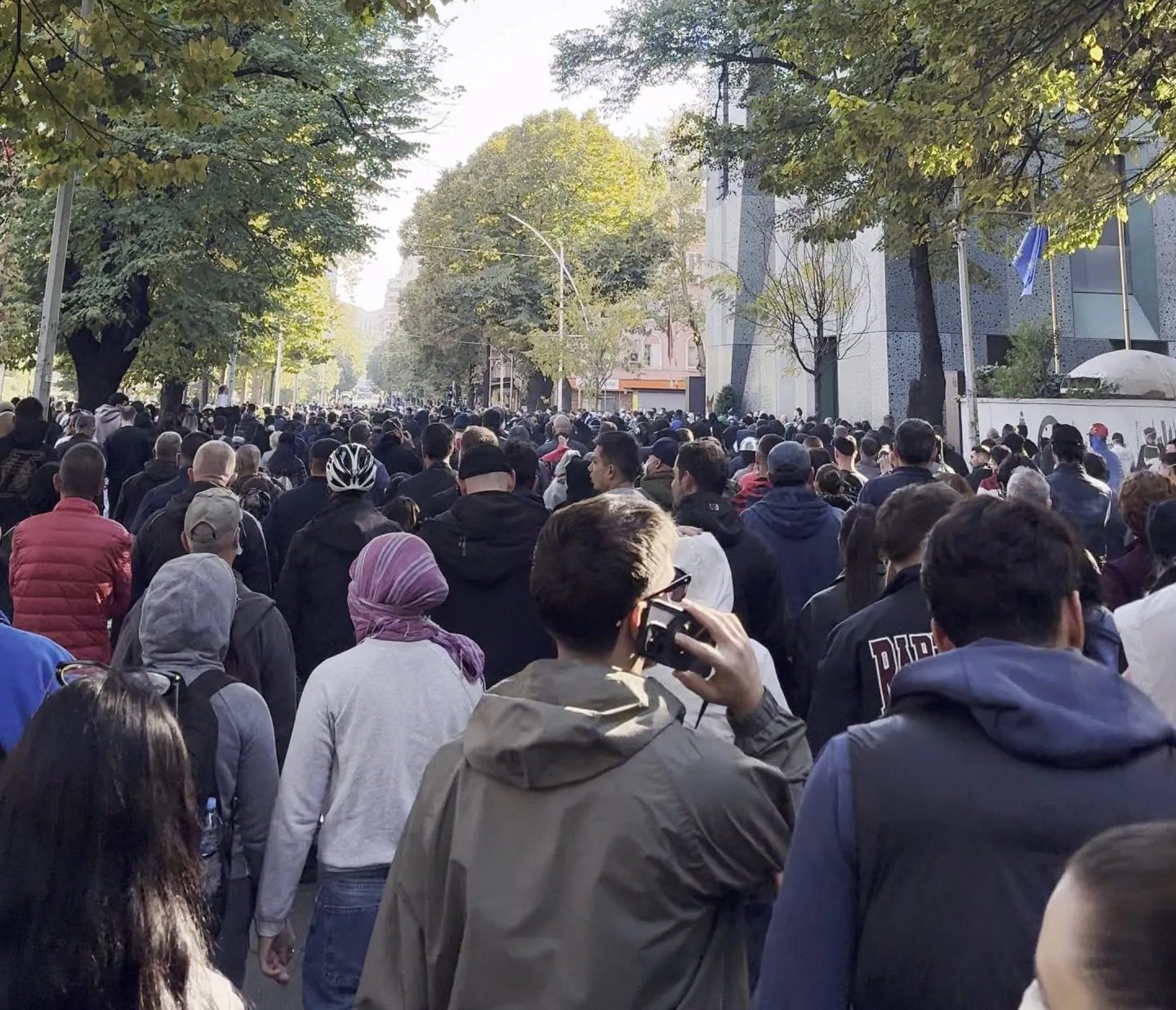
When local residents tried to stop the works, they were met with private security and barbed wire, and footage of the confrontation spread internationally. By the end of May, nightly protests had begun in Tirana. They haven’t stopped since.
Opening a resort or joining the EU?
At the heart of the dispute is a 2024 law that opened previously protected areas to luxury tourism and infrastructure projects – a change that puts the country directly at odds with EU environmental law. The EU objected from the start and repealing that law has since become one of the benchmarks Albania has to meet on its path to membership.
On 17 June, the European Parliament backed the protesters, calling for an immediate moratorium on new permits and construction in protected areas until the law is repealed. Vjosa-Narta has become the clearest test yet of how an accession country treats EU law when a powerful investment is on the other side of the ledger.
What Albania stands to lose – or prove
A hundred days on, the government has neither repealed the law nor abandoned the project. The protesters have turned a local environmental dispute into a question of national principle: what kind of country Albania wants to be.
The choice is stark. Entrench a model of governance that sidelines environmental law and public participation, or show that environmental protection, meaningful public participation and economic development can coexist – as they should in a modern democracy.
Albania doesn’t have to make the mistakes other Mediterranean coastlines already made. For a country betting its future on tourism, a wild lagoon is not an obstacle to prosperity; it’s one of the few assets that can’t be rebuilt once it’s gone.
The lagoon mouth reopened, for now. The flamingos are still there, for now. Whether they still are on day 200 depends on a choice the government has yet to make.
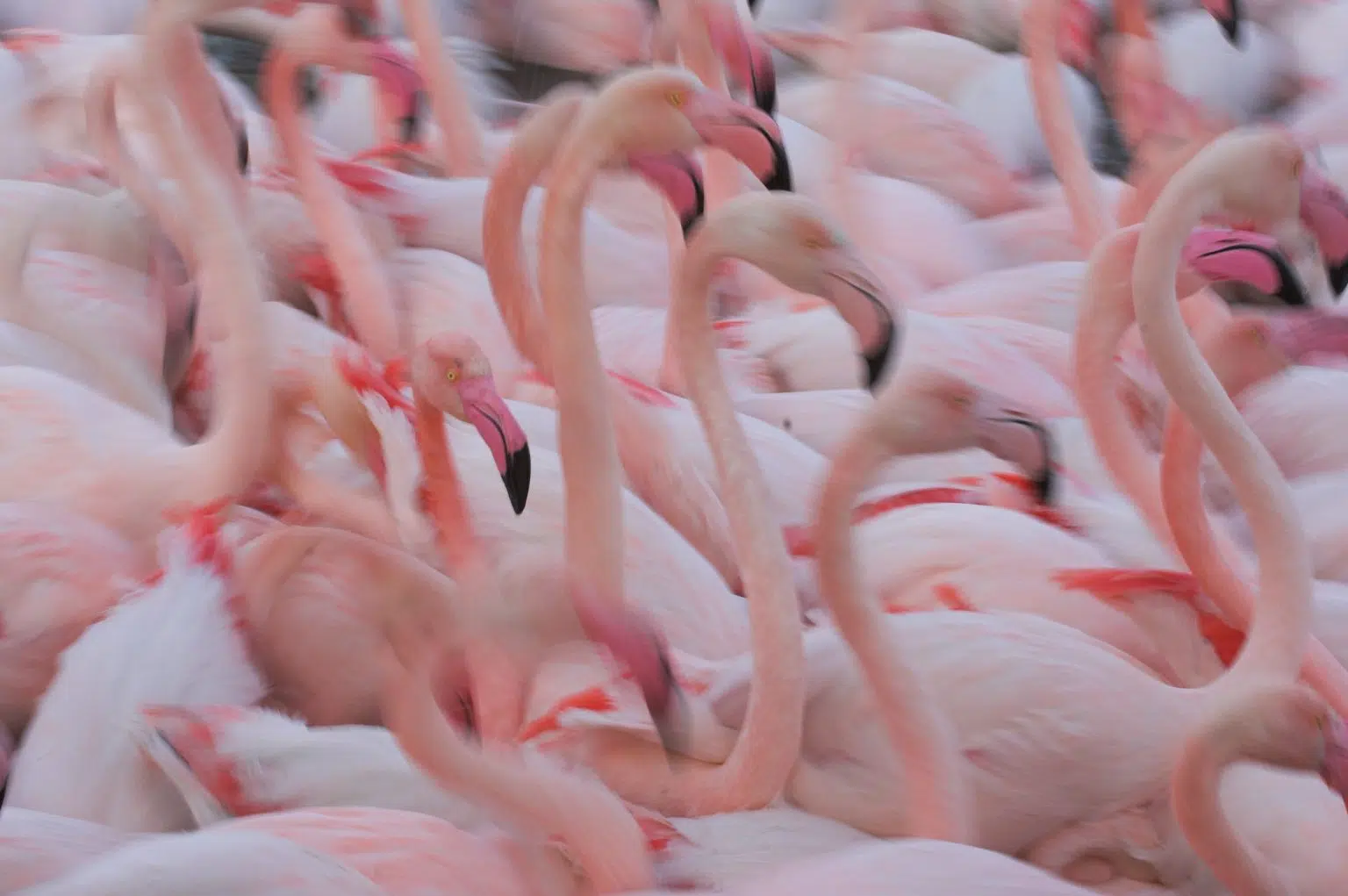
By Anouk Puymartin Cover Image: Greater Flamingos, Yves Adams Source: https://www.birdlife.org/news/2026/09/07/100-days-of-the-flamingo-protests-a-test-of-albanias-european-future/