Urban coastal areas are among the most dynamic and vulnerable socioecological systems worldwide, facing increasing pressures from climate change, biodiversity loss, and rapid urbanization. At the same time, these environments offer unique opportunities for innovation in sustainability and governance. Convivial Waterfronts develops a novel approach based on the paradigm of convivial conservation, placing local communities, their knowledge, and cultural practices at the center of environmental solutions. The project reimagines urban coastlines as living laboratories for coexistence between humans and biodiversity. Through Urban Living Labs, the project co-designs and tests innovative conservation practices, scalable pathways for sustainable and socially just urban coastal transformation
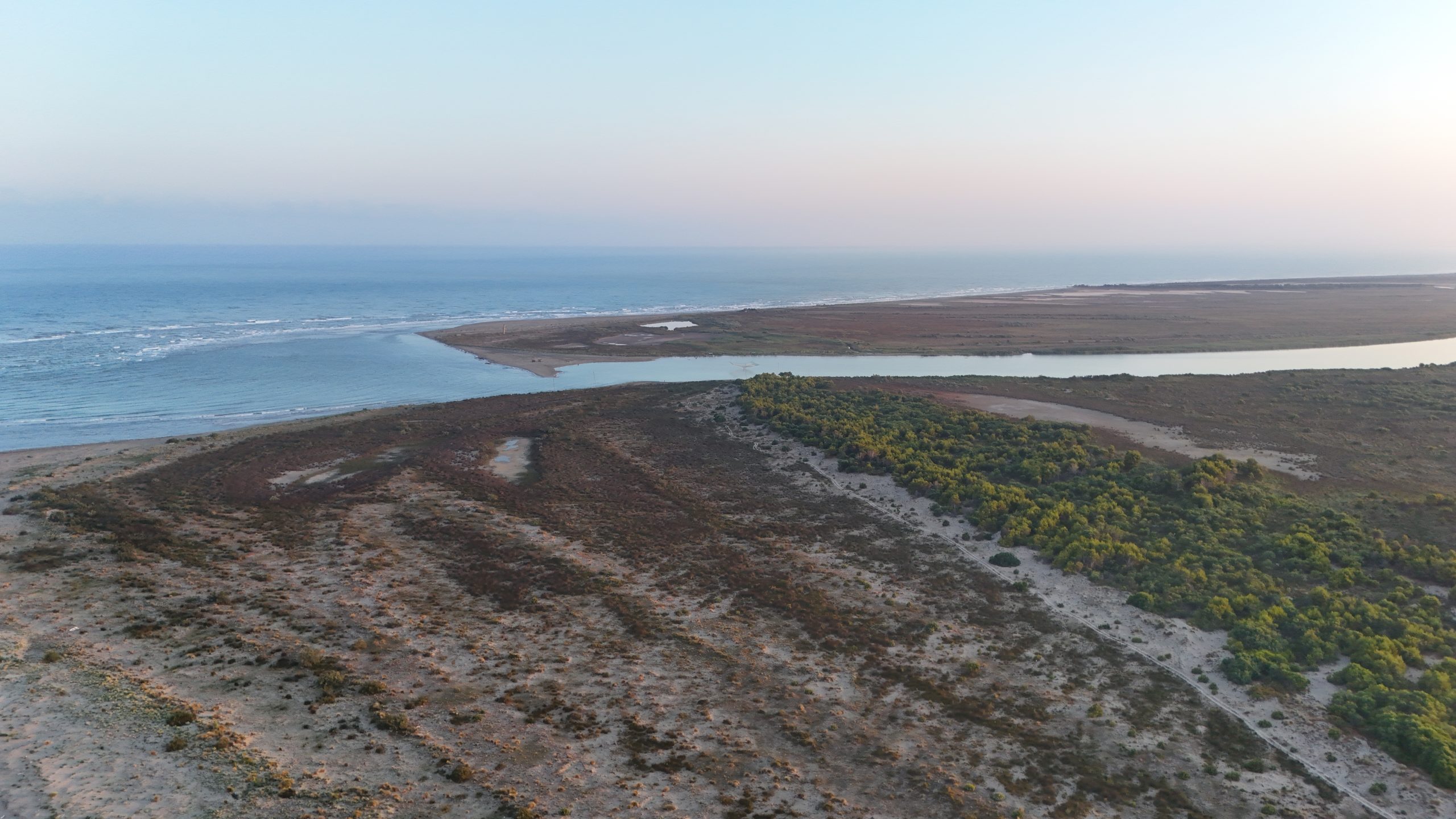
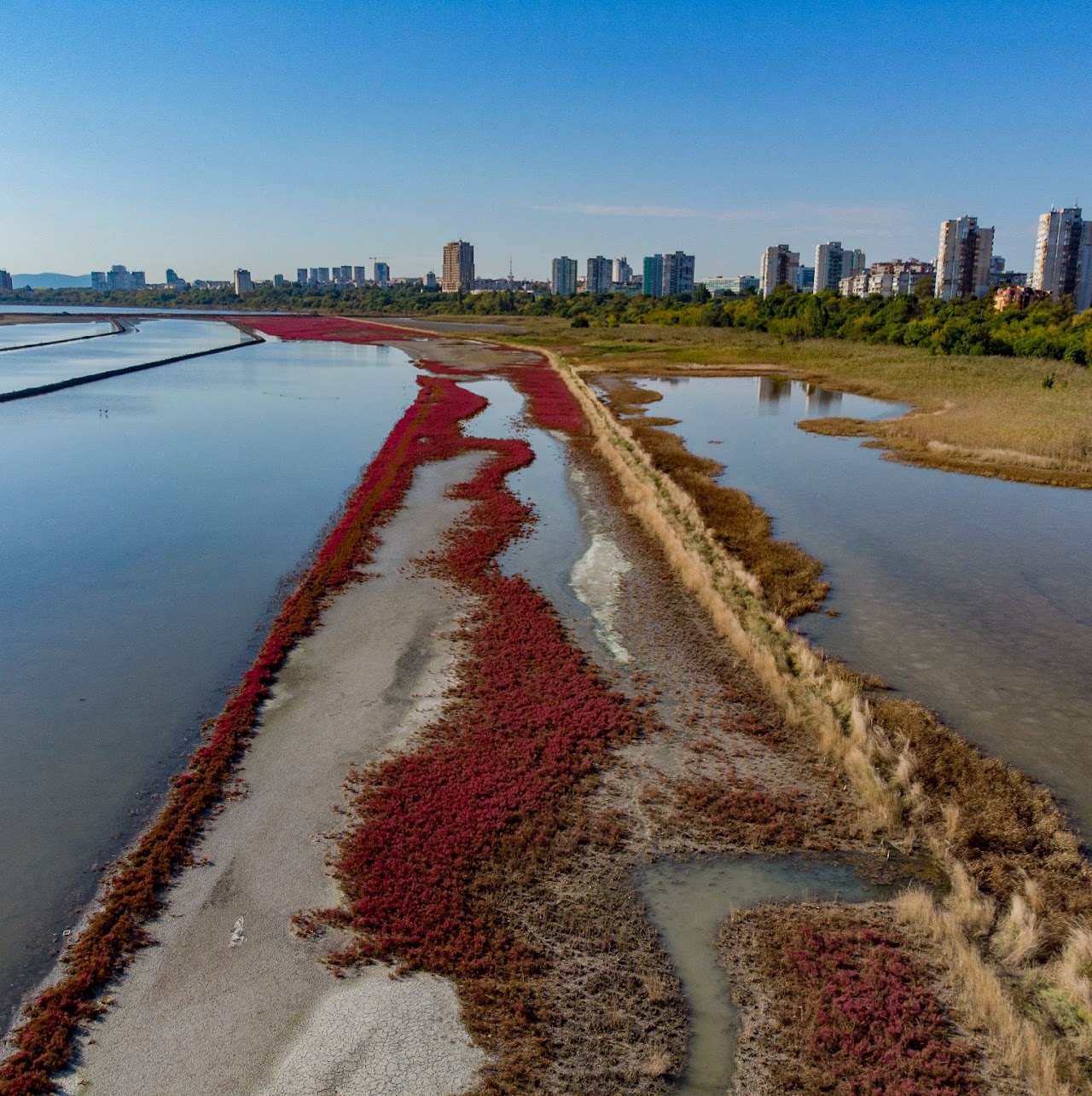
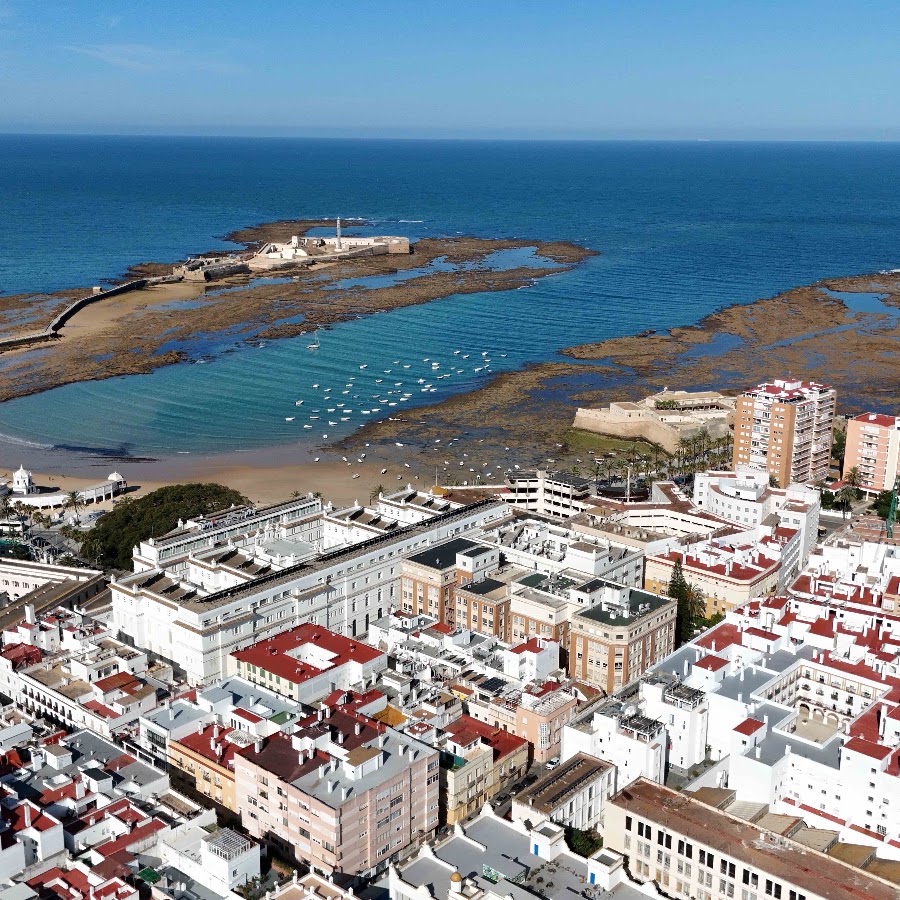
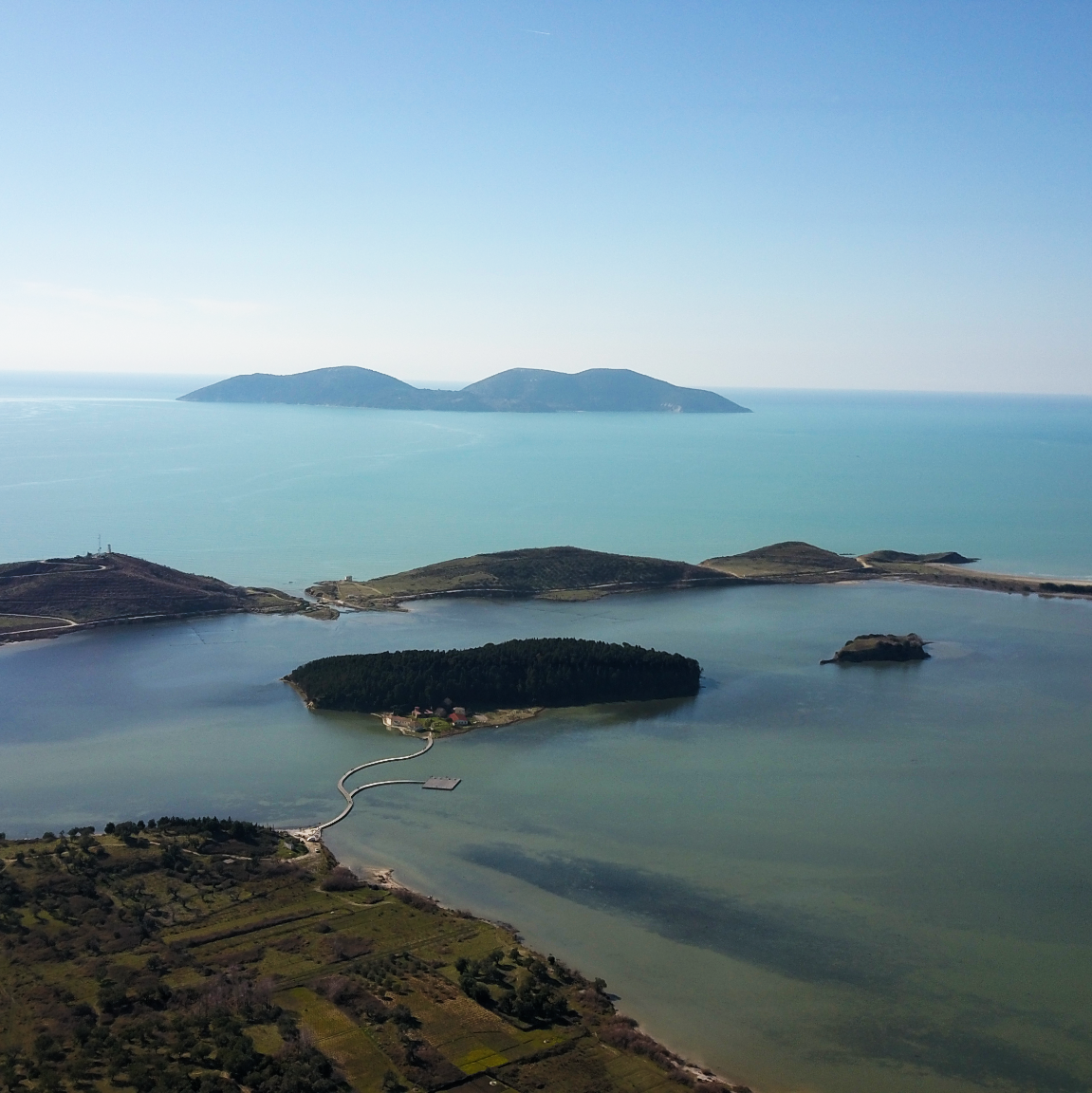
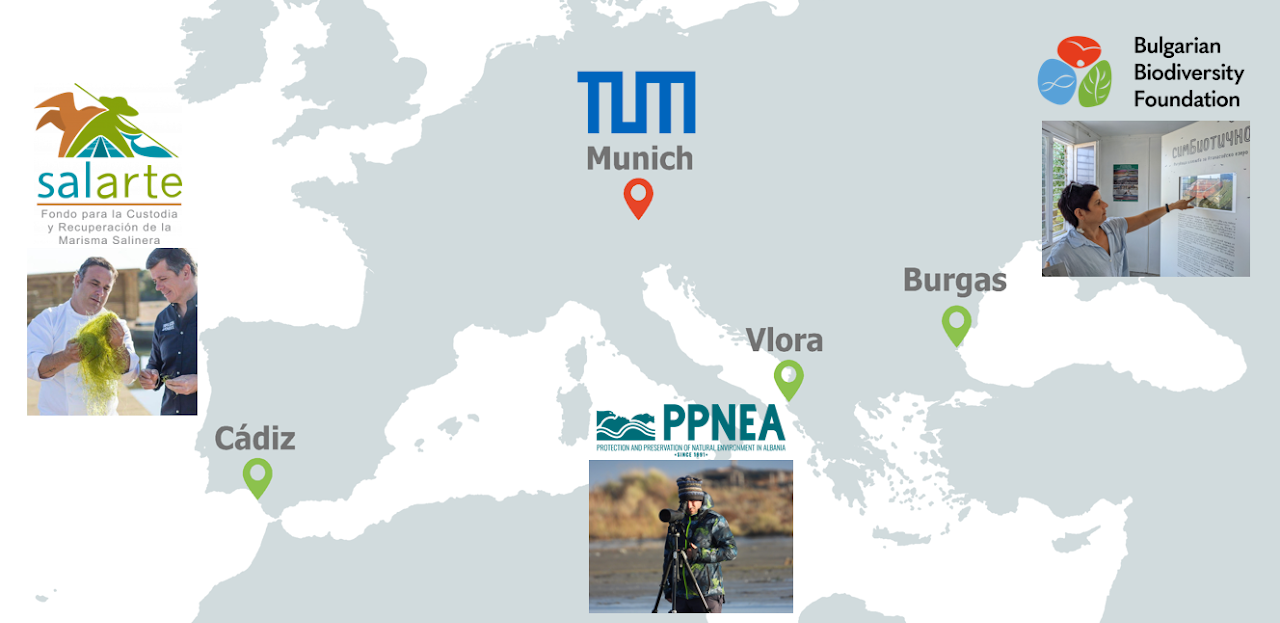
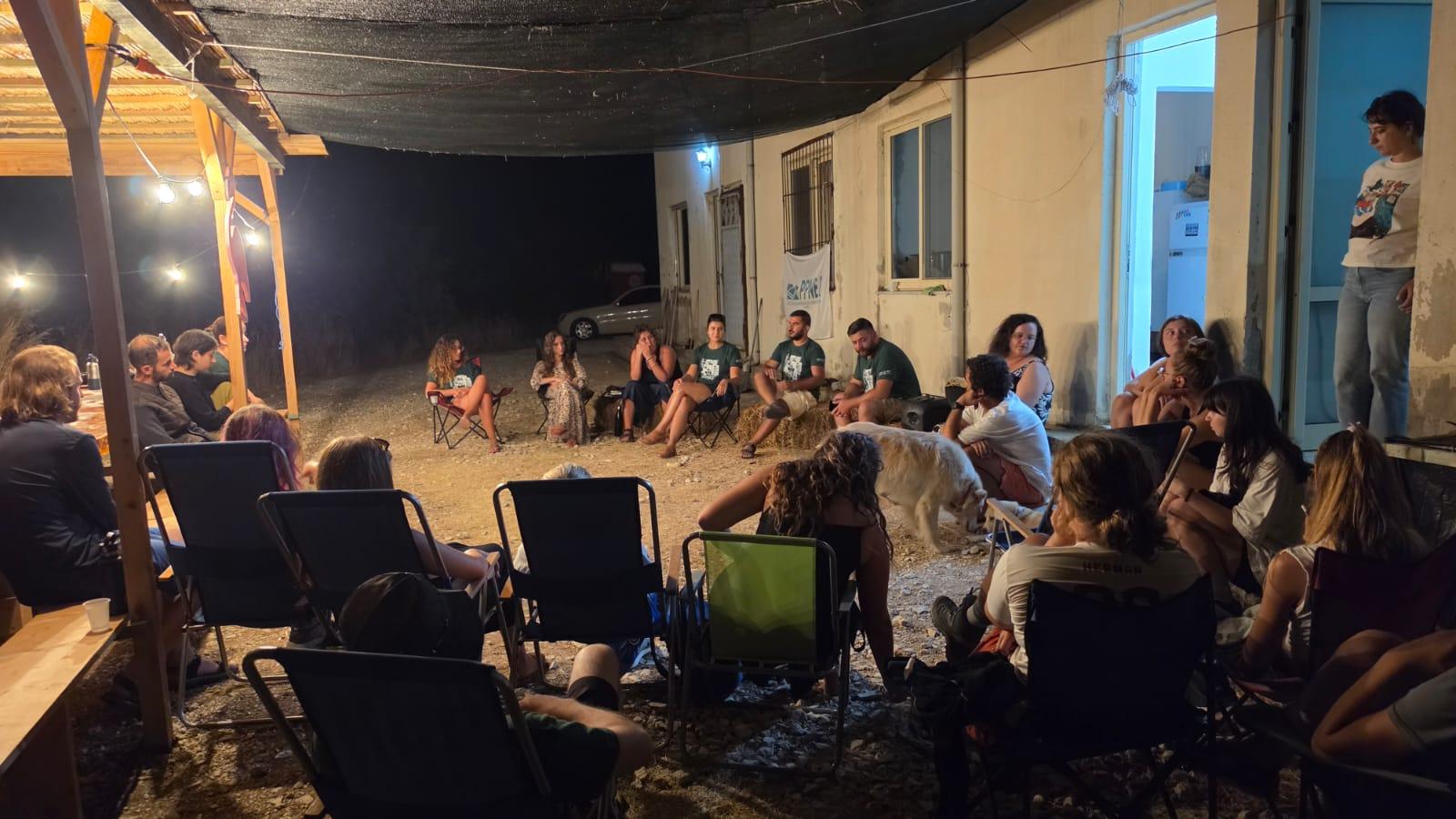
The project addresses the urgent need to rethink conservation practices in urban coastal environments, where ecological degradation, urban development, and social dynamics intersect. applies the concept of convivial conservation, which promotes coexistence between humans and nature by integrating local knowledge, cultural practices, and community participation into conservation strategies. Using a transdisciplinary and experimental approach, the project develops and tests solutions such as nature-based interventions, cultural practices, and community-driven innovations across three European coastal cities: Burgas, Vlora, and Cádiz.
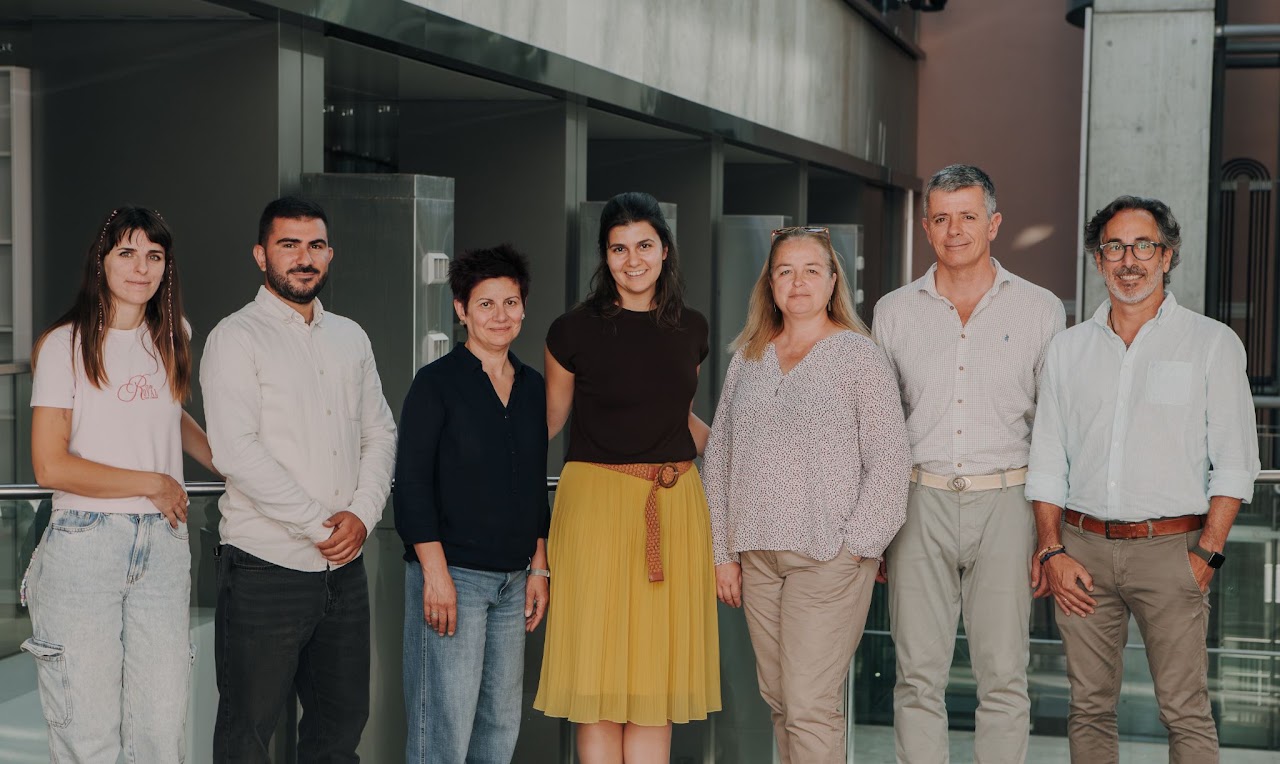
The project is grounded in a close, iterative collaboration between the research team, led by Dr. Antonova at the TUM School of Social Sciences and Technology and environmental NGOs PPNEA, BBF (Bulgaria) and SALARTE (Spain)
Time frame: 2026 – 2031
Funding: Volkswagen Foundation – Change! Fellowships Programme
Country: Albania, Bulgaria, Germany, Spain
Partners: BBF in Bulgaria, PPNEA in Albania, SALARTE in Spain
Project manager: Dr. Anna S. Antonov, Technical University of Munich (TUM)
Project coordinator: Xhemal Xherri (PPNEA, Birdlife Albania)