Press Release
Tirana, 04,11,2026.
The European Commission’s 2026 Report on Albania places the situation in the Pishë Poro–Nartë Protected Landscape at the centre of its assessment of the country’s compliance with European standards on the environment and nature protection. In its report published today, 4 November 2026, the European Commission points out that the 2024 amendments to the Law on Protected Areas, together with the extension of the Law on Strategic Investments, have led to a deterioration in nature protection in Albania and have become among the root causes of the protests that have taken place across the country since May this year.
With specific reference to the Pishë Poro–Nartë Protected Landscape, the report raises concerns over the approval of three development permits and the commencement of preparatory works in an area that is a candidate site for the Emerald Network, in the absence of public consultation and an environmental impact assessment. The report also highlights the continuation of construction works for Vlora Airport within the same protected area, despite repeated requests by the Standing Committee of the Bern Convention for an environmental impact assessment. The works have been suspended due to a legal dispute between shareholders.
These findings make clear that concerns over Vjosa-Narta go beyond opposition to a single project. They relate to fundamental issues of environmental governance: the implementation of legislation, transparency in decision-making, the quality of environmental assessments, public participation and Albania’s compliance with its international obligations.The protests, which began in response to interventions in Pishë Poro–Nartë, have evolved into a broader civic mobilisation, bringing demands for greater transparency and institutional accountability into the public debate.
In recent months, citizens, environmental organisations, researchers and civil society representatives have raised their voices in defence of this area and the public’s right to be heard in decisions affecting the environment.This report further highlights the importance of the concerns raised over the future of Vjosa-Narta for many months. Protecting this area is not only a national biodiversity conservation priority, but also an indicator of Albania’s commitment to European standards for nature protection.Vjosa-Narta is a landscape of exceptional ecological importance, encompassing wetlands, lagoons, sand dunes and coastal habitats that support hundreds of bird species, alongside many other species of conservation importance.
Protecting the integrity of this ecosystem is essential for biodiversity, migratory flyways and the ecological balance of the entire delta.The European Commission also identifies persistent shortcomings in the implementation of environmental legislation in Albania. These include the quality of environmental impact assessments, limited public participation in decision-making, insufficient institutional capacities, inadequate monitoring of water and air quality, and ongoing challenges in waste management and industrial pollution. The report also highlights the need for more decisive action on climate change and stronger capacities for wildfire prevention and management.
These findings demonstrate that progress towards European standards requires not only legislative alignment, but also effective implementation, transparency and institutional accountability.Nature protection is not an obstacle to European integration. It is one of its essential requirements.Albania cannot advance towards the European Union without ensuring that its protected areas are effectively protected, that environmental laws are properly enforced, and that decisions shaping their future are transparent and inclusive.
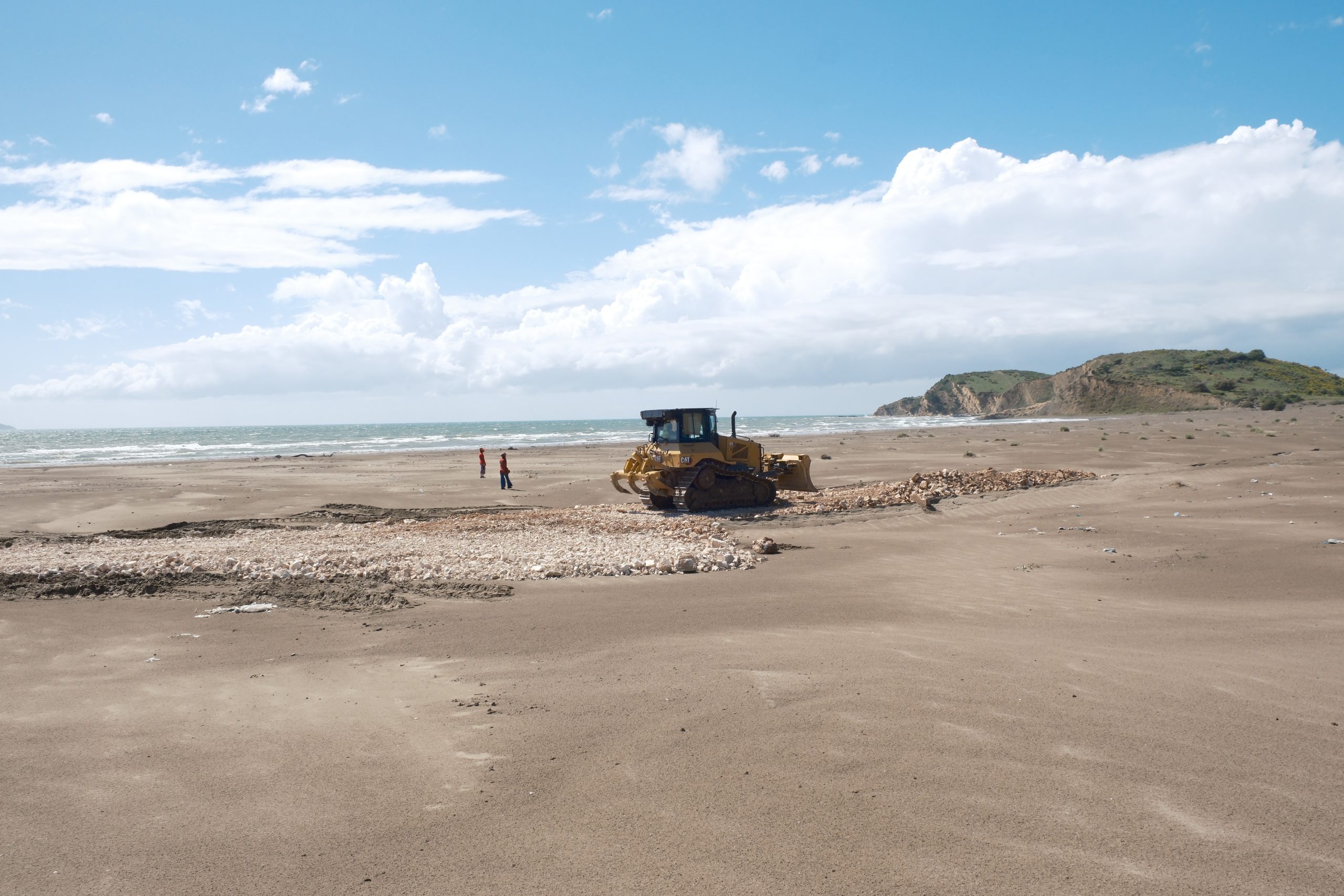 Photo credit: Trivet Studio
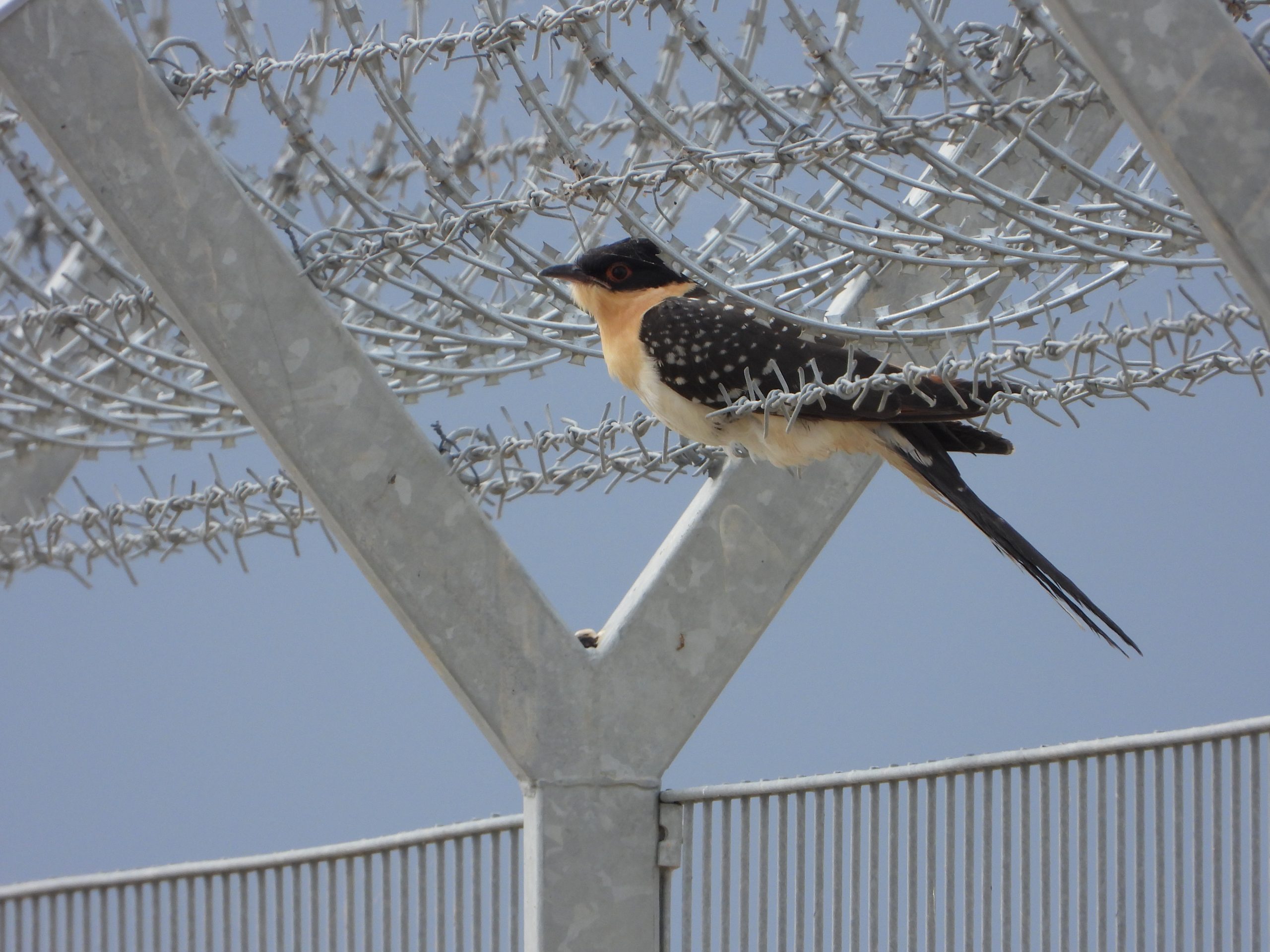 Photo credit: Joni Vorpsi, PPNEA
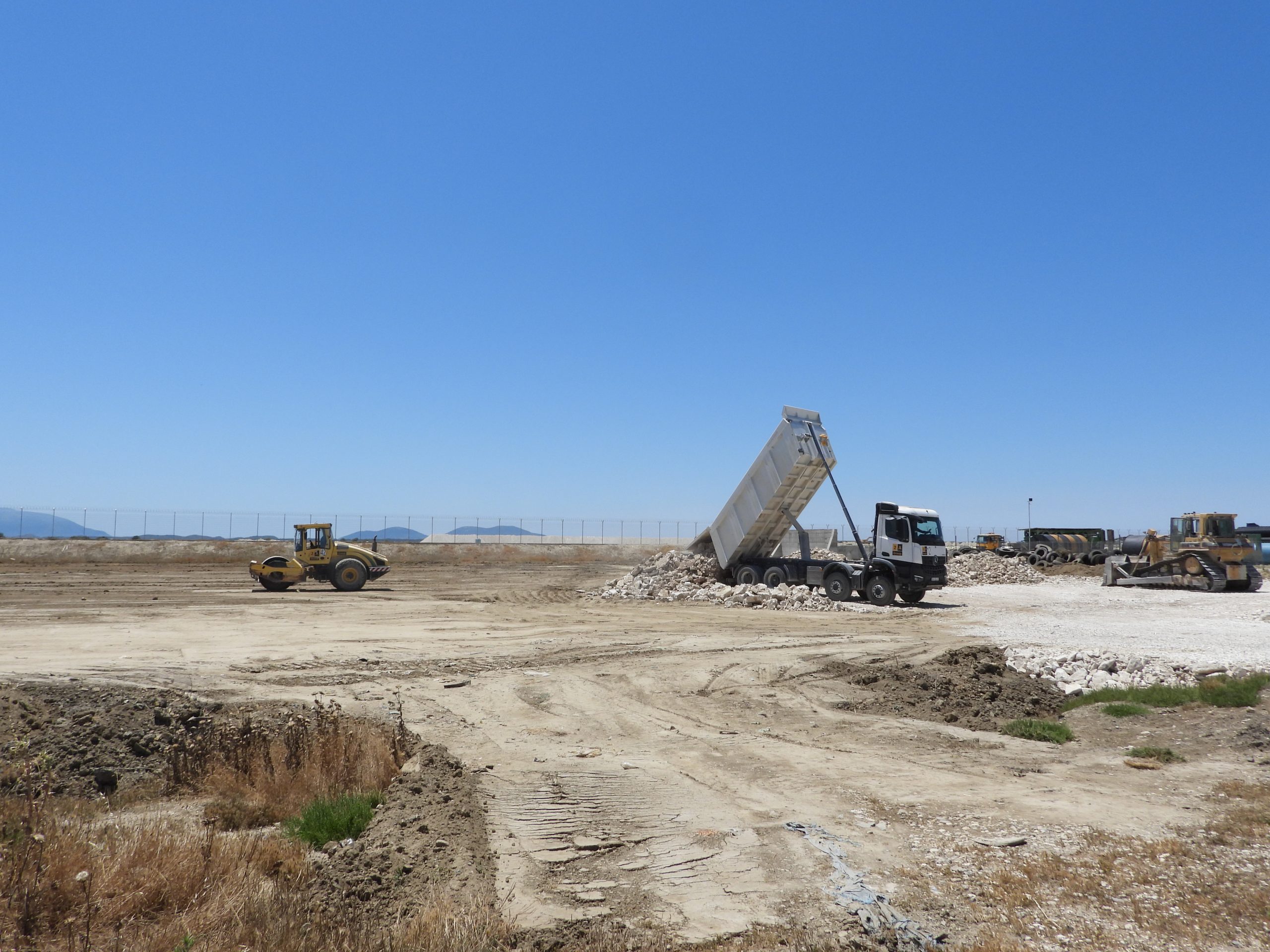 Photo credit: Joni Vorpsi, PPNEA
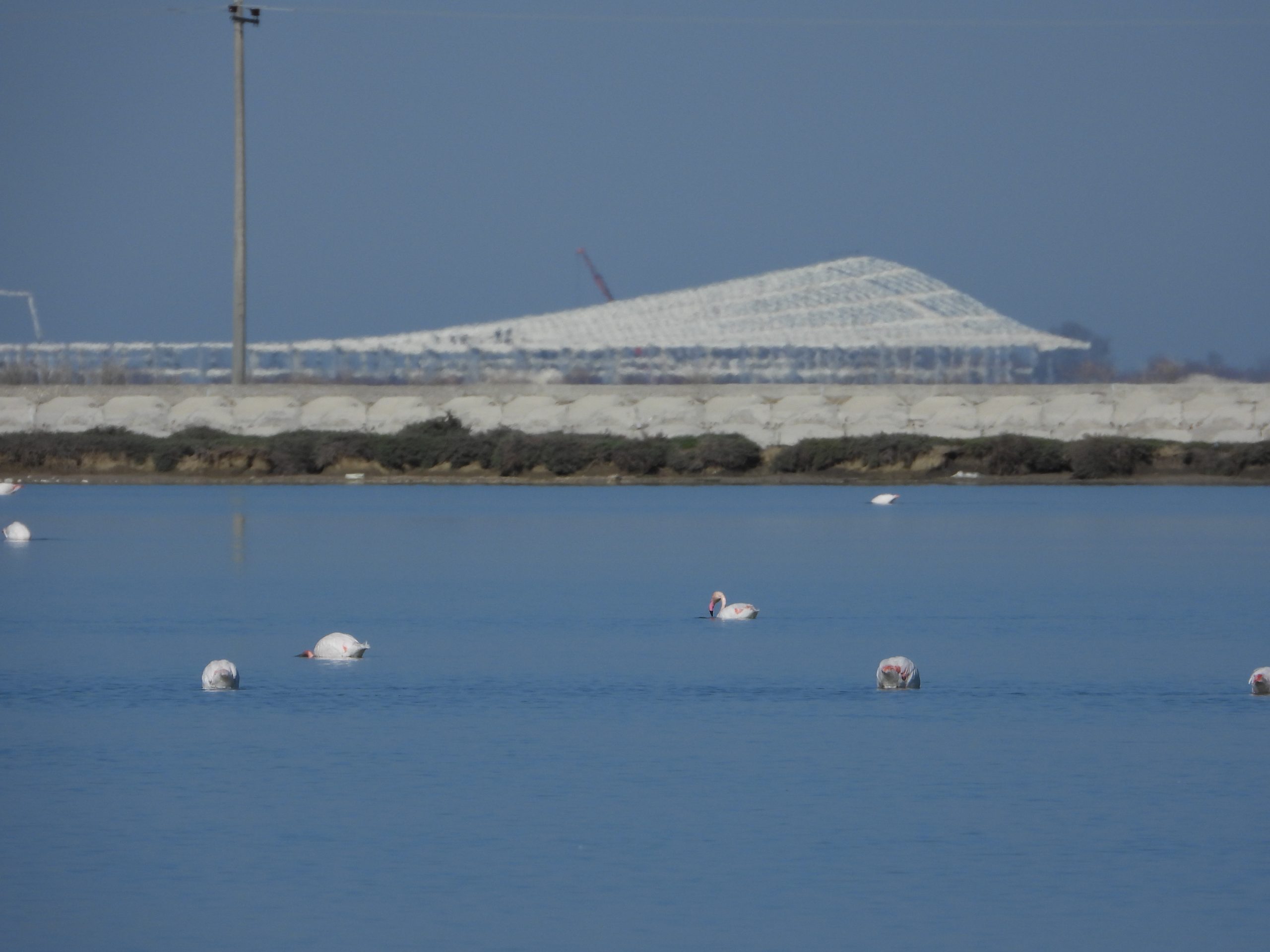 Photo credit: Joni Vorpsi, PPNEA
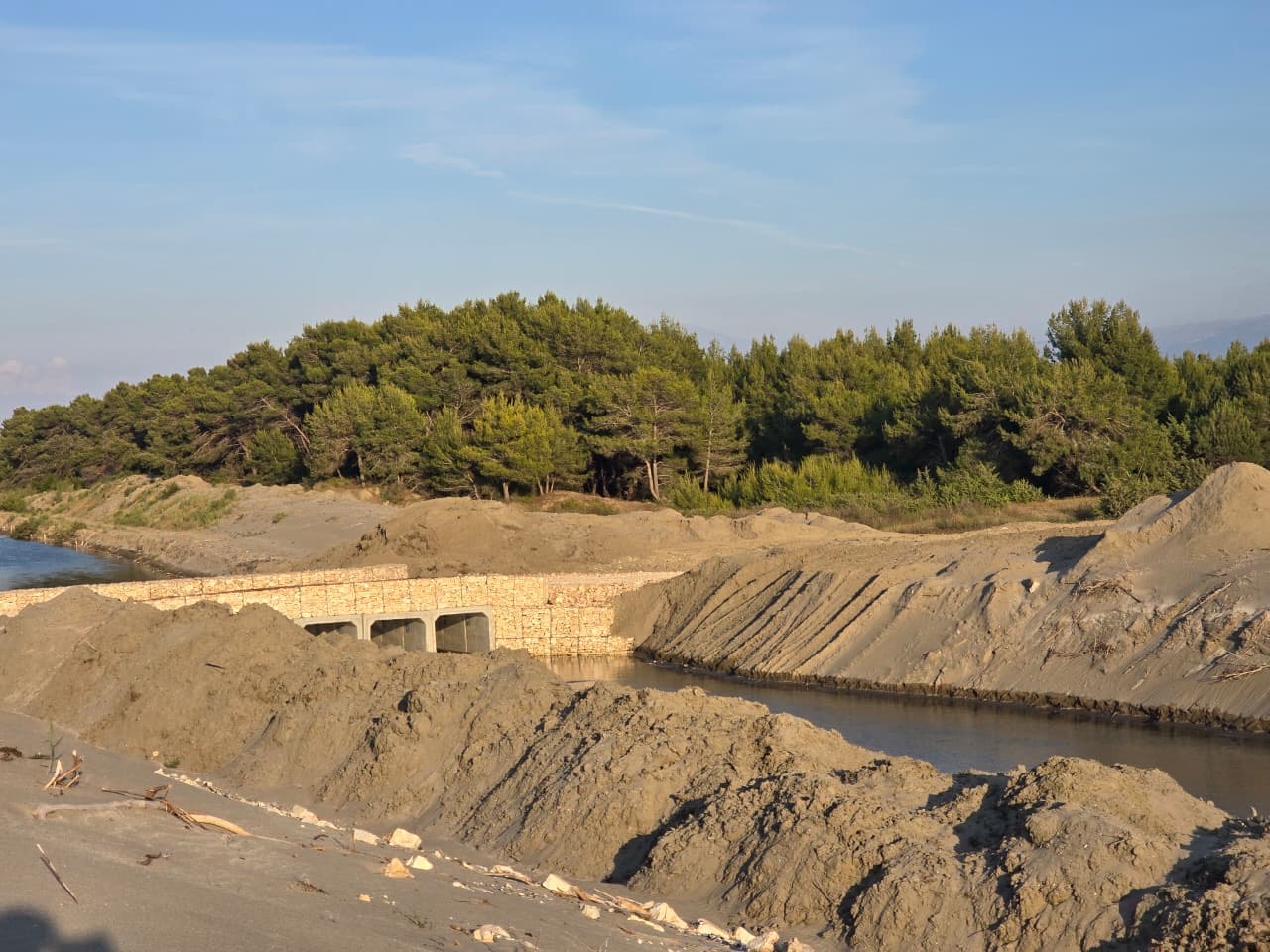
Photo credit: Kosta Xhaho, PPNEA