
While 31 October may bring bats to mind through Halloween symbols, we chose to get to know them in a different way: through art, games, exploration and discovering the role they play in nature.
On 31 October and 1 November, PPNEA’s Regional Office in Prespa welcomed 10 school pupils, 10 university students and five volunteers for two days of educational activities organised as part of the international initiative International Bat Night.
The Balkan is part of one of the world’s richest regions for biodiversity, and it is also home to a great diversity of bat species. Within the peninsula, the Prespa Lakes basin, shared by Albania, North Macedonia and Greece, is a particularly important ecosystem for these mammals.
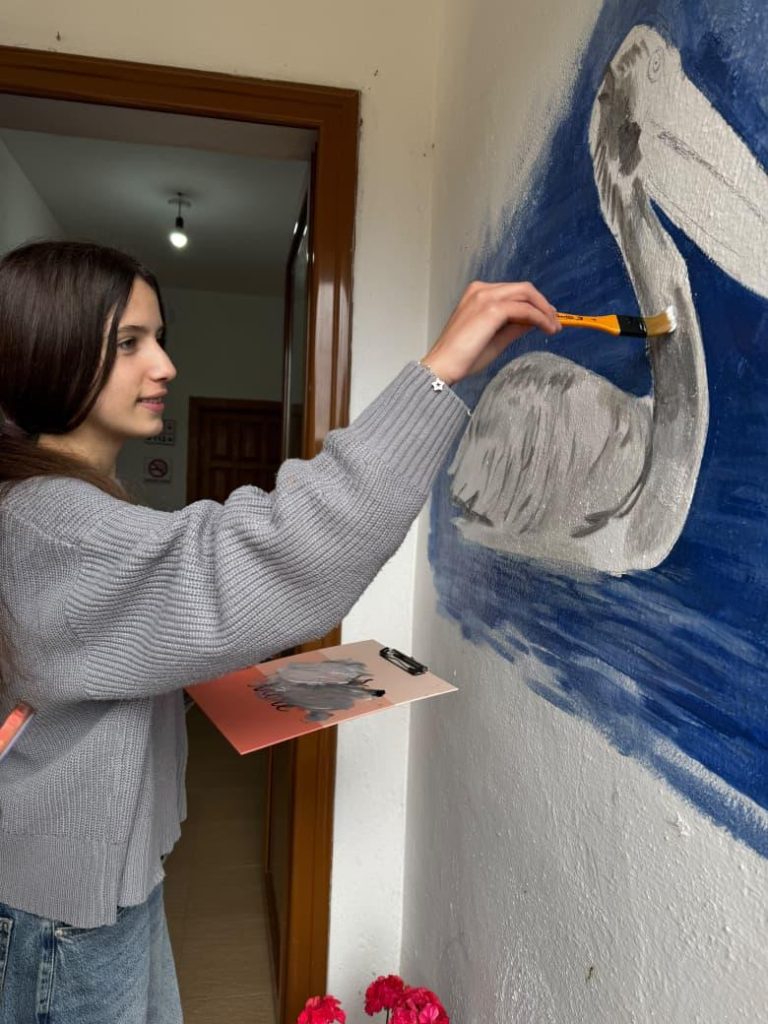
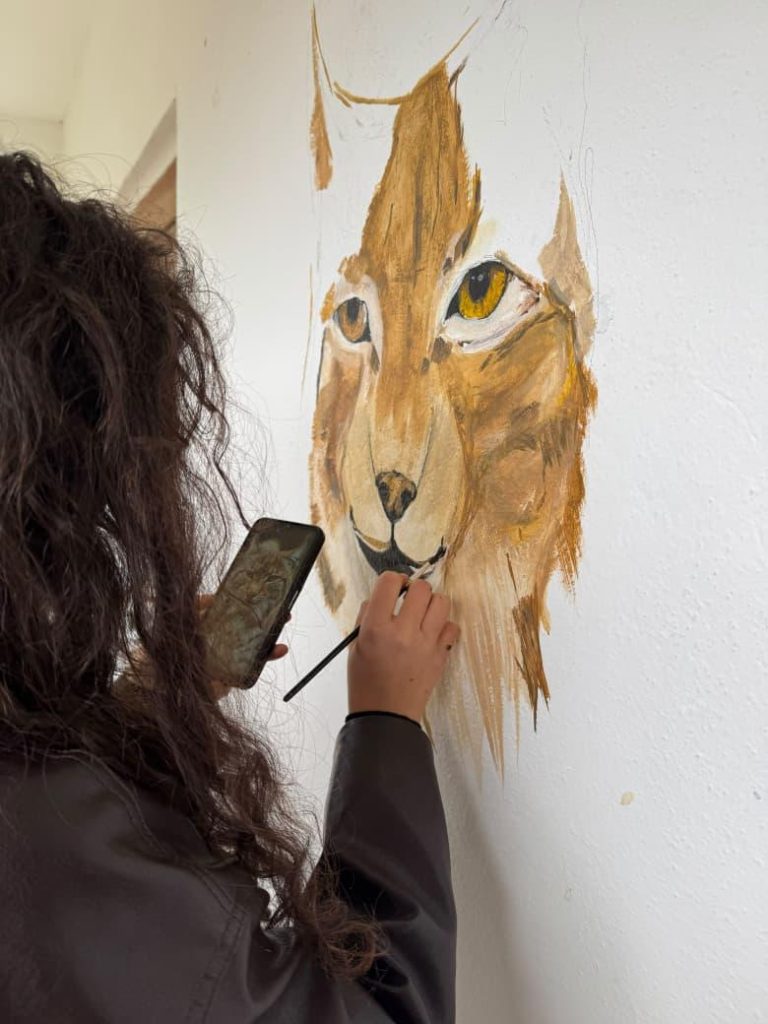
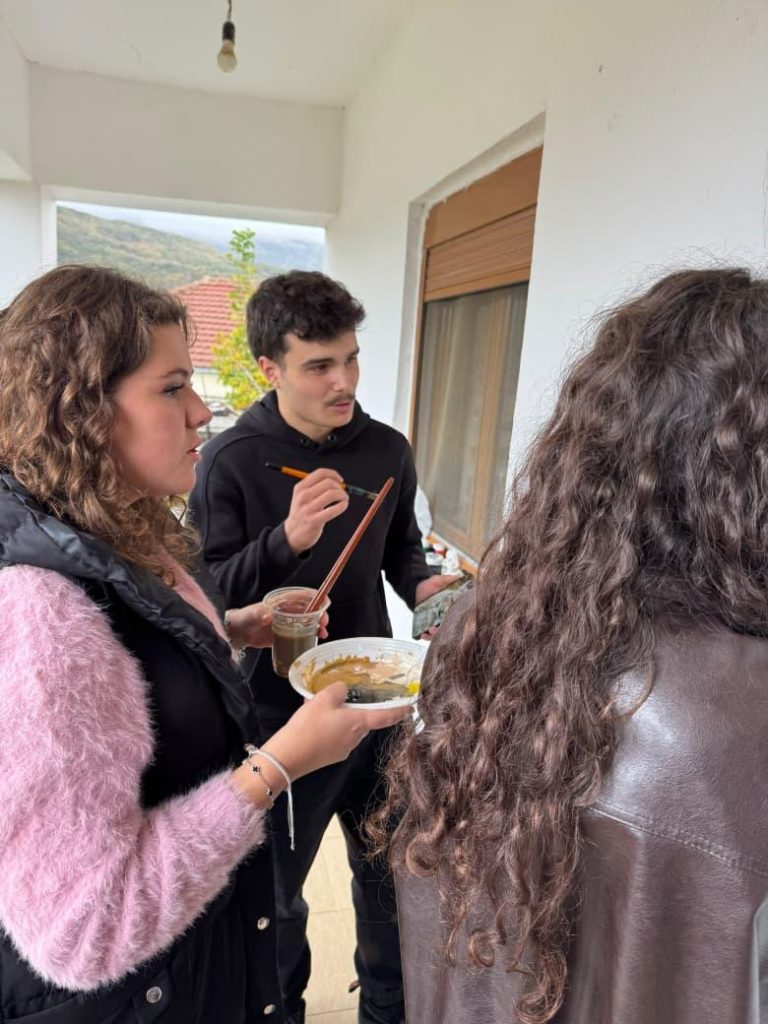
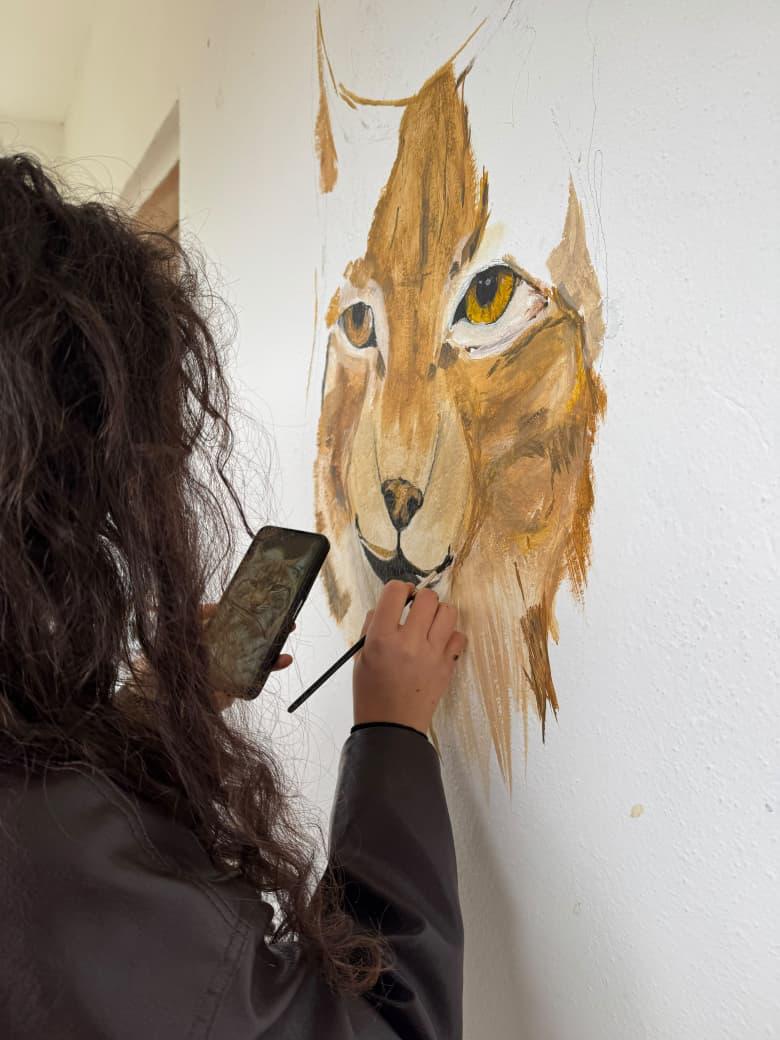
The activities began with a visit from pupils and teachers at the “Tefta Tashko Koço” Art School. They learned about PPNEA’s work and the natural wealth of Lake Prespa. But this visit went beyond learning about biodiversity. Putting their talent and creativity to work, the pupils brought colour to the outdoor areas of the office, painting the PPNEA logo and several species characteristic of Albania’s natural heritage, including the Dalmatian pelican, the Balkan lynx and, of course, the bat.
Several important scientific findings have been recorded in the Albanian part of Prespa, including colonies of different species and the year-round presence of some of them. Previous studies estimate that more than 5,000 bats are known to roost in the Albanian part of the Prespa basin.
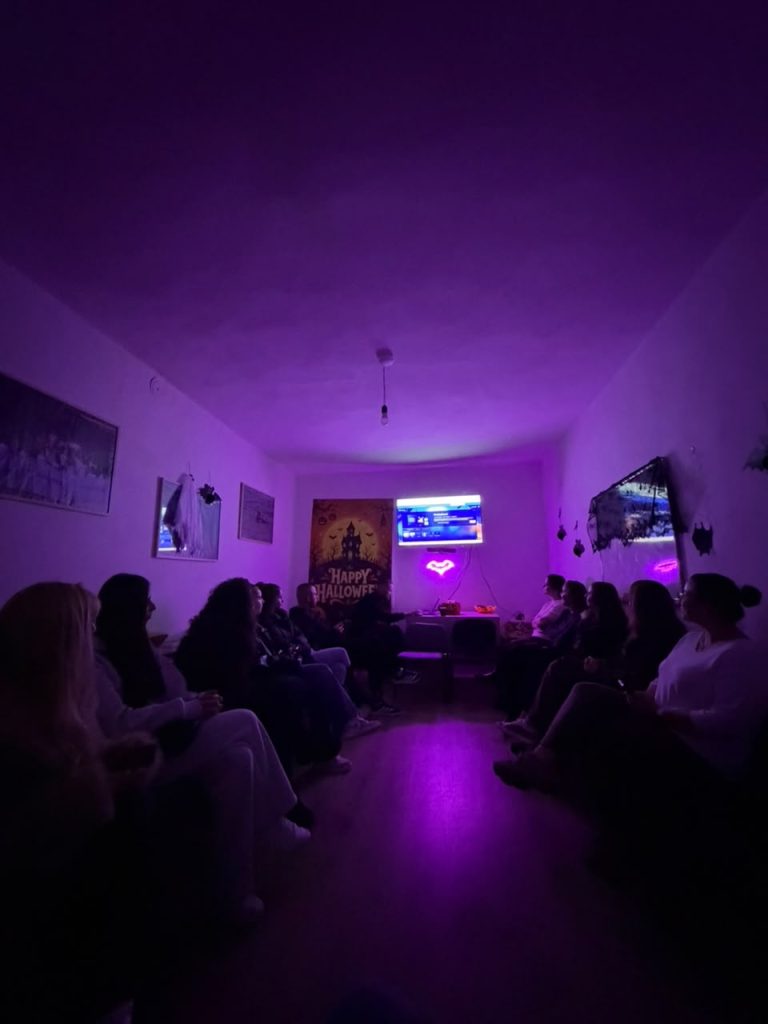
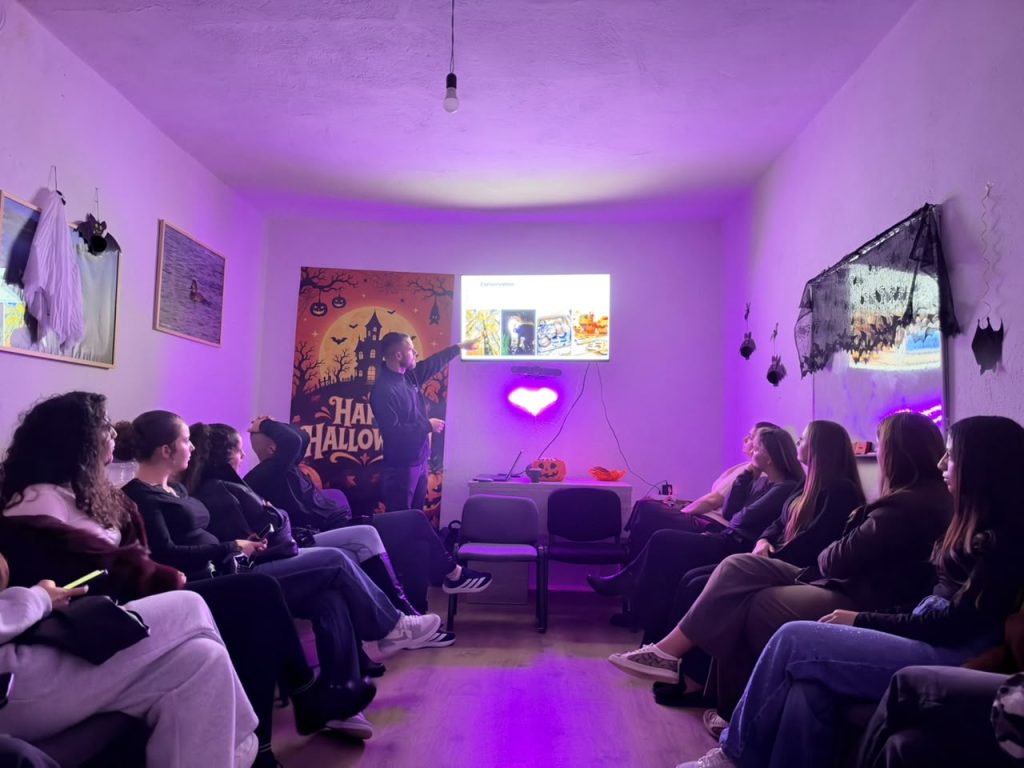
The evening offered a chance to learn more about these flying mammals, which are often surrounded by myths and misunderstandings. Students from “Fan S. Noli” University in Korçë and volunteers from Tirana took part in interactive games, presentations and discussions. They learned about the bat species found in Prespa, how they live and the important role they play in the ecosystem. Many feed on insects, helping to naturally control their populations and maintain ecological balance.
The area’s rich habitats, including forests, limestone cliffs with natural cavities, caves, and the lakeshores, provide favourable conditions for bats to roost and feed. Old buildings and abandoned houses can also offer them shelter.
However, these nocturnal residents face several threats, including:
- Forest disturbance and habitat change;
- Intensive pesticide use in agriculture;
- Disturbance or damage to roosting sites;
- The demolition and deterioration of old buildings used as roosts;
- Potential wind farm development projects.
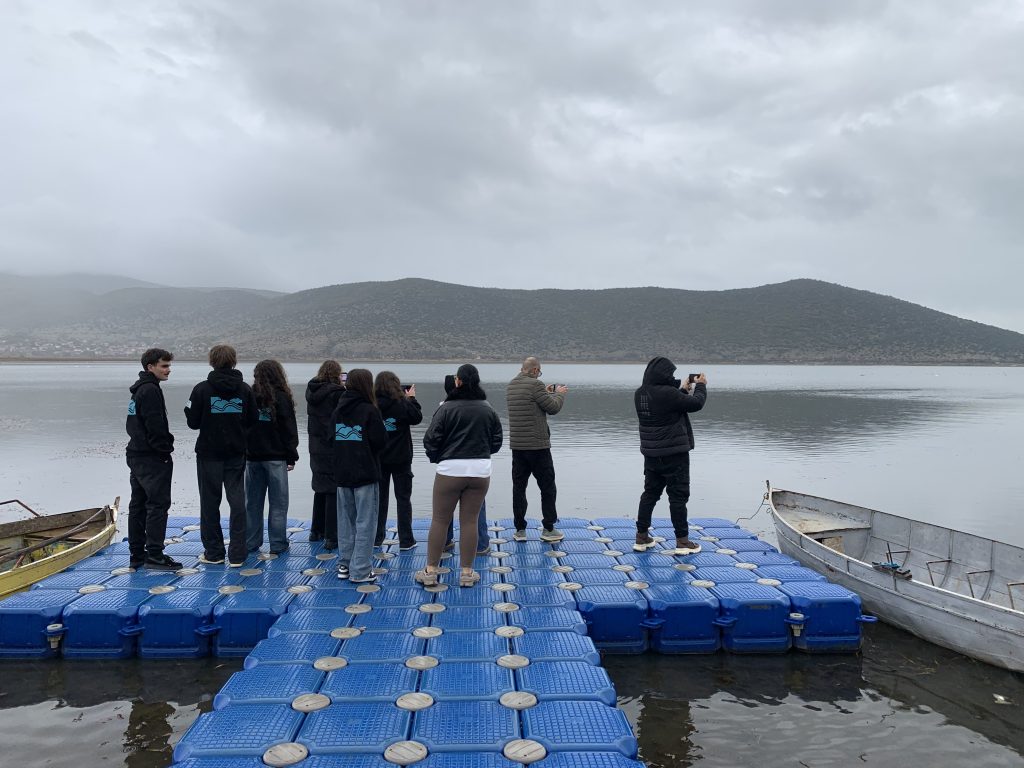
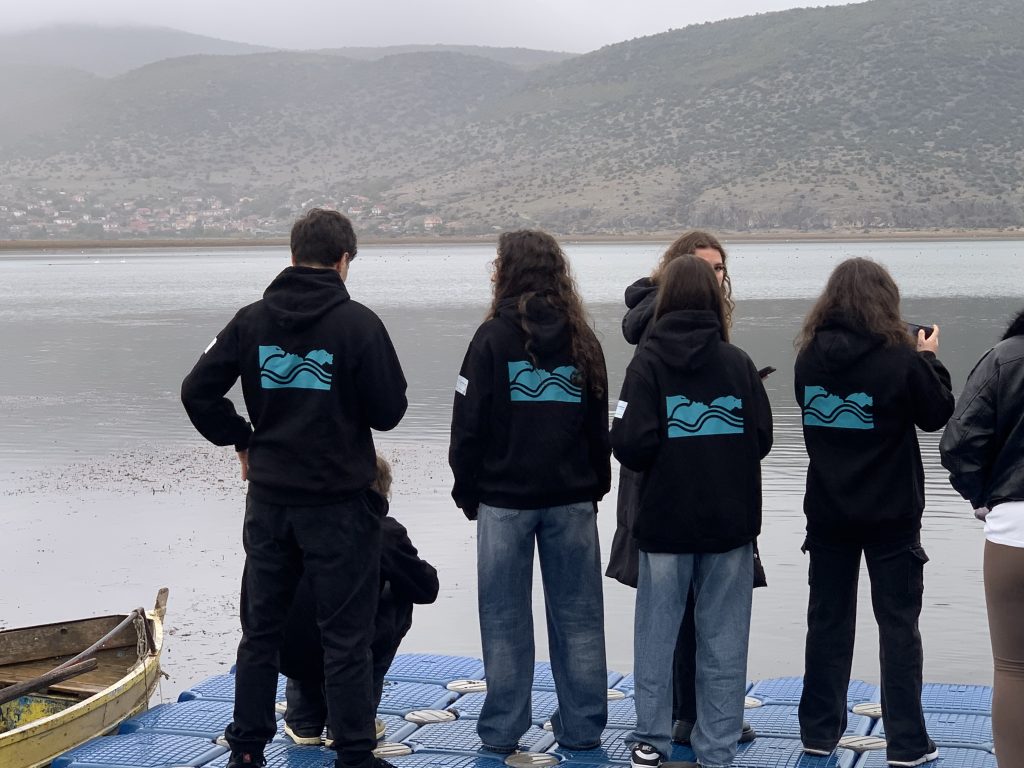
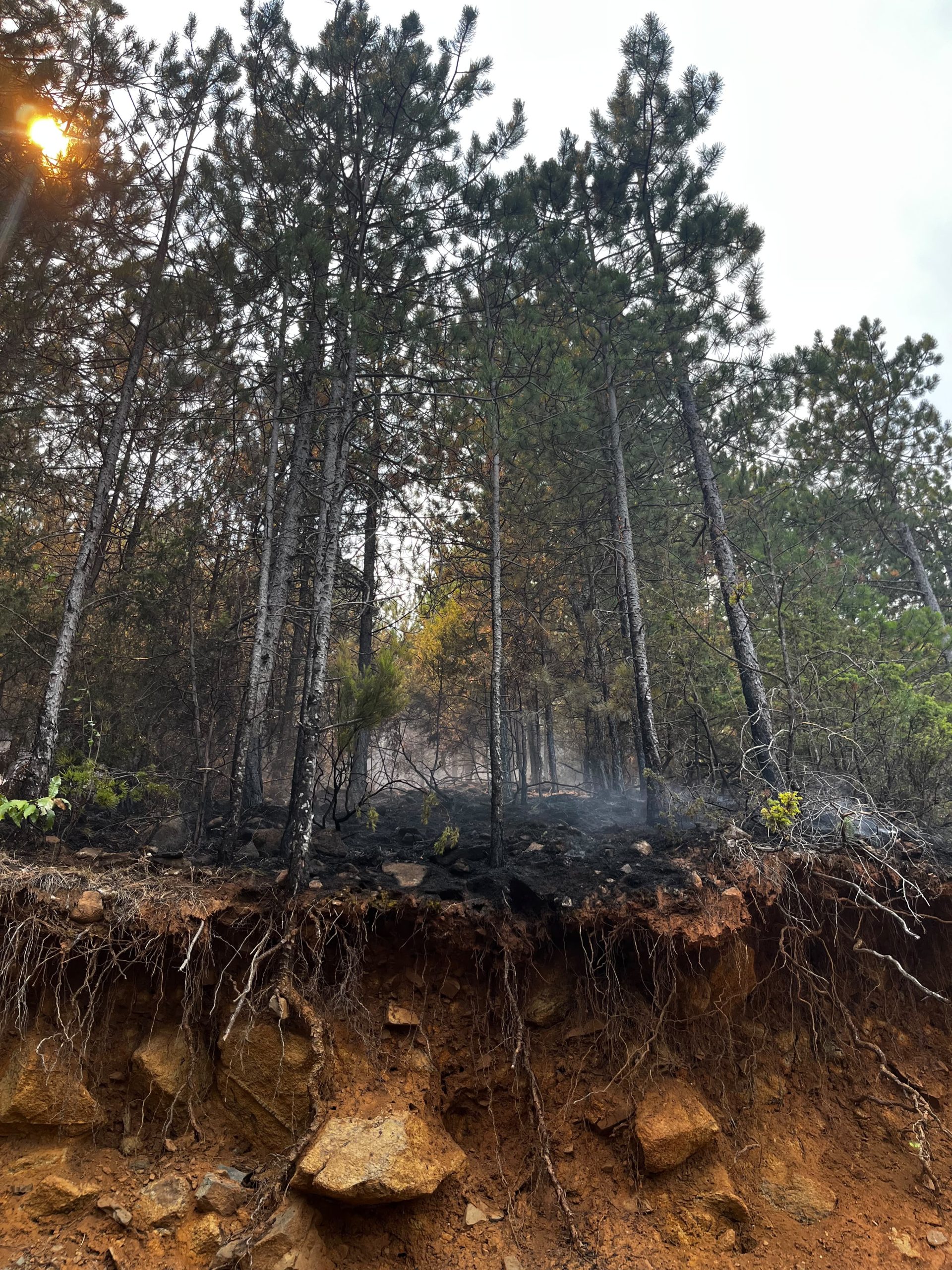
The following day, learning continued outdoors, in nature. The PPNEA team, together with students and volunteers, went for a walk in the park’s forested areas, where they checked bat boxes installed as alternative roosts and explored the habitats where bats live. The experience gave participants a chance to connect what they had learned with first-hand observation in the field.
From painting and games to discussion and forest exploration, these two days reminded us that getting to know nature is the first step towards protecting it. And perhaps, after this experience, 31 October will also remind participants how important bats are to our ecosystems.
Bats in Prespa have been identified as an important priority for the conservation of the region’s transboundary biodiversity.
Read more in the study by PPNEA experts Melitjan Nezaj and Adnand Bego: https://secemu.org/wp-content/uploads/2025/09/Melitjan_et_al_2025.pdf