
Learning exchange in the Pindus Mountains supports governance planning for Munella Nature Park
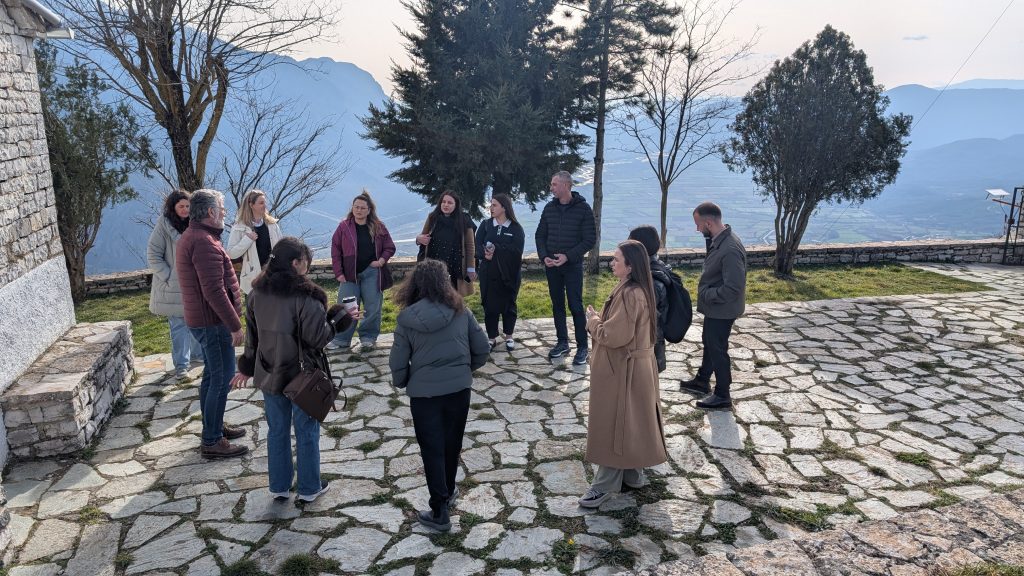
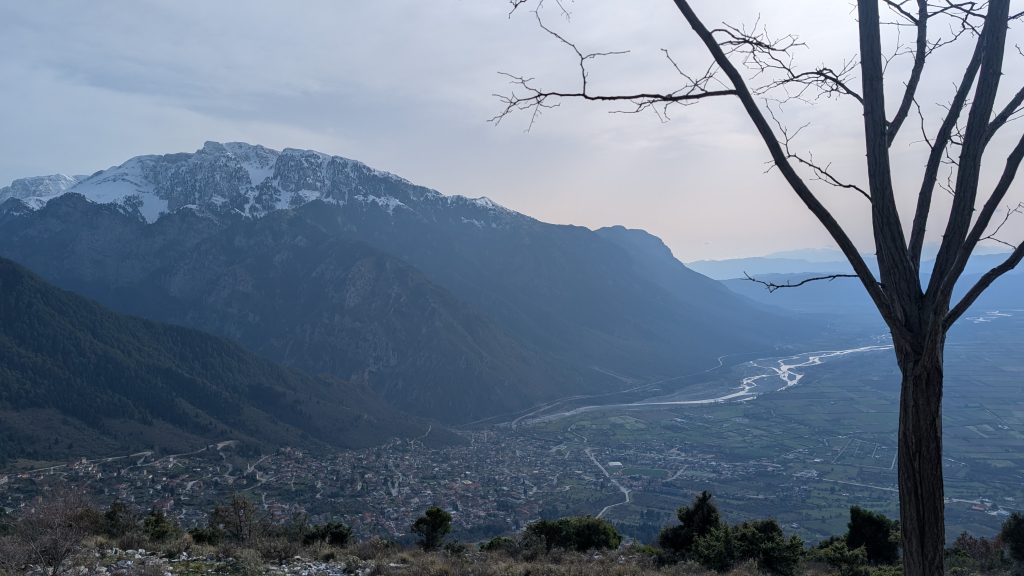
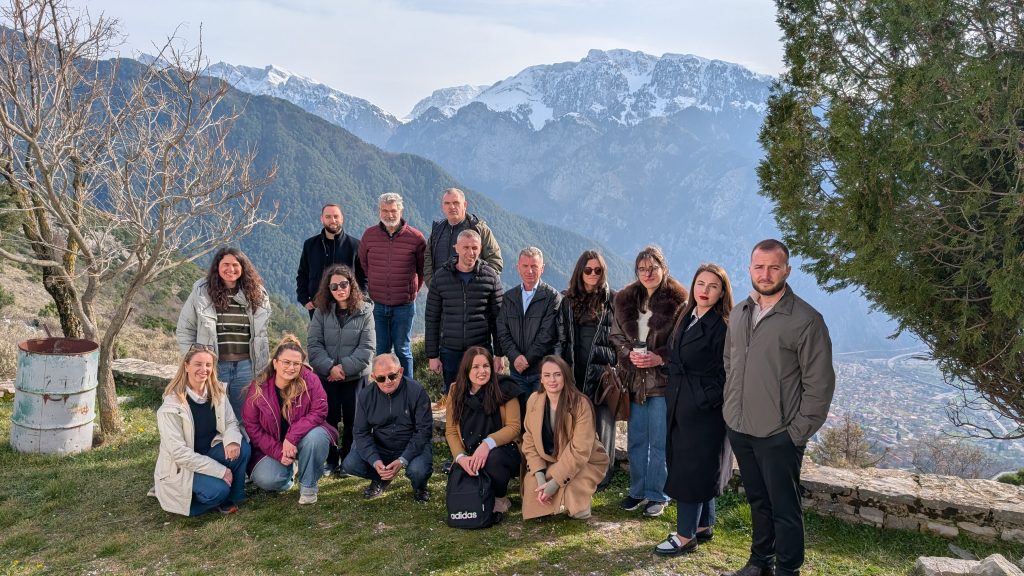
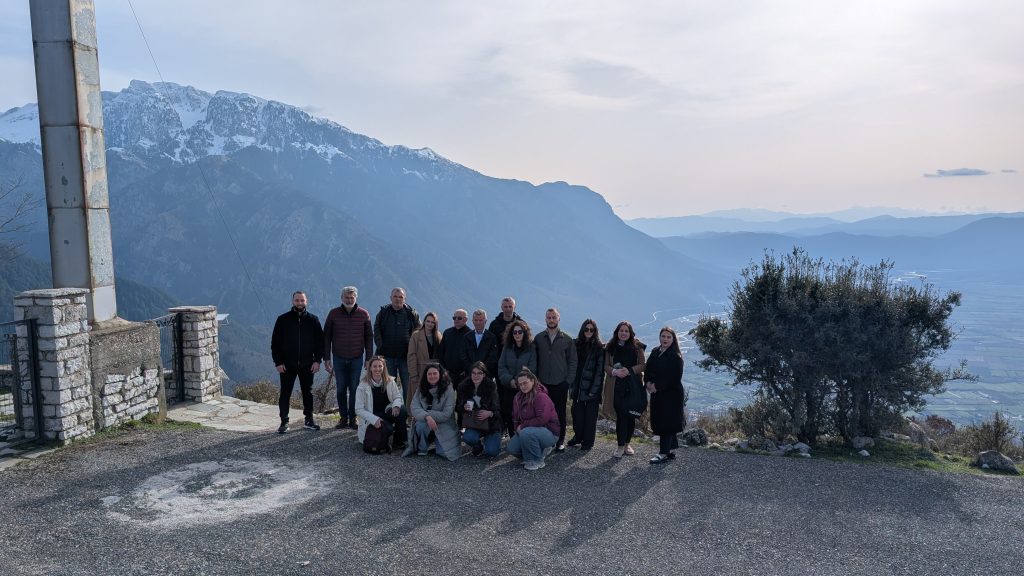
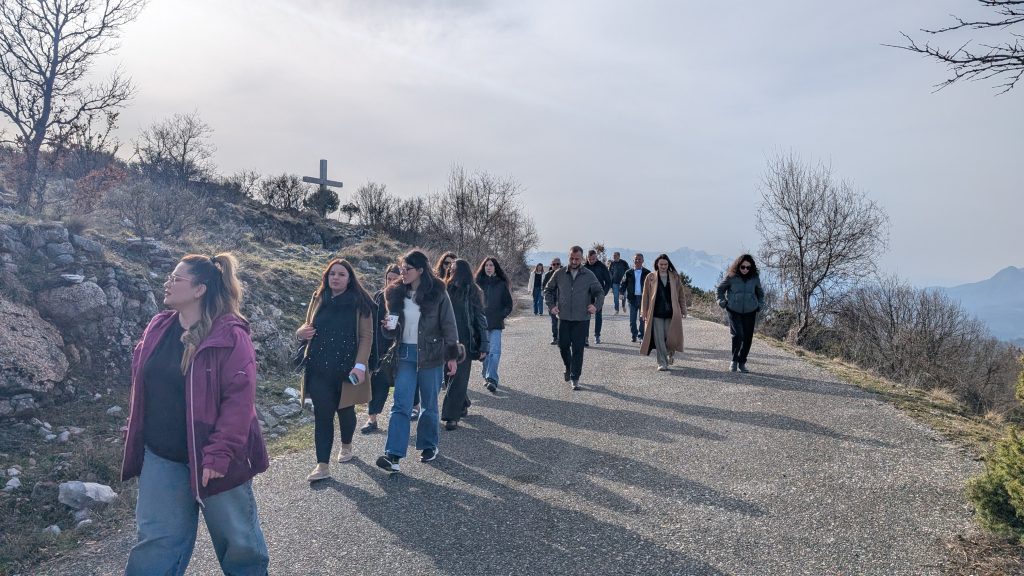
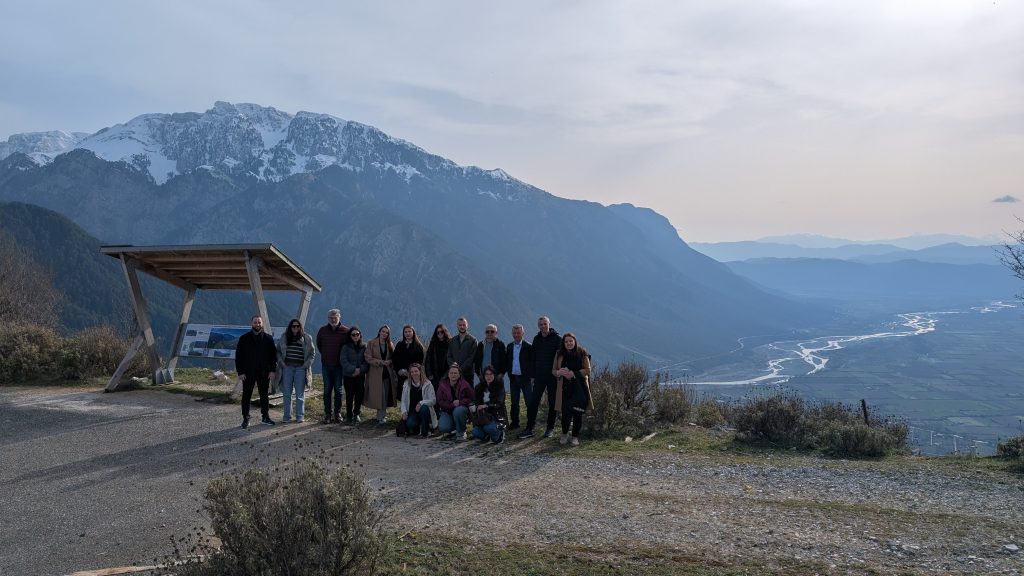
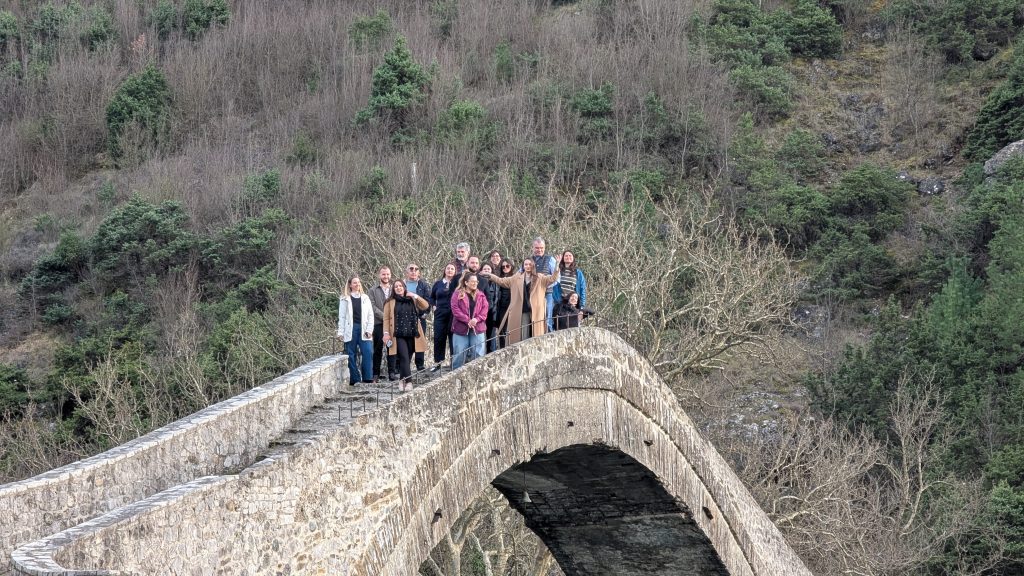
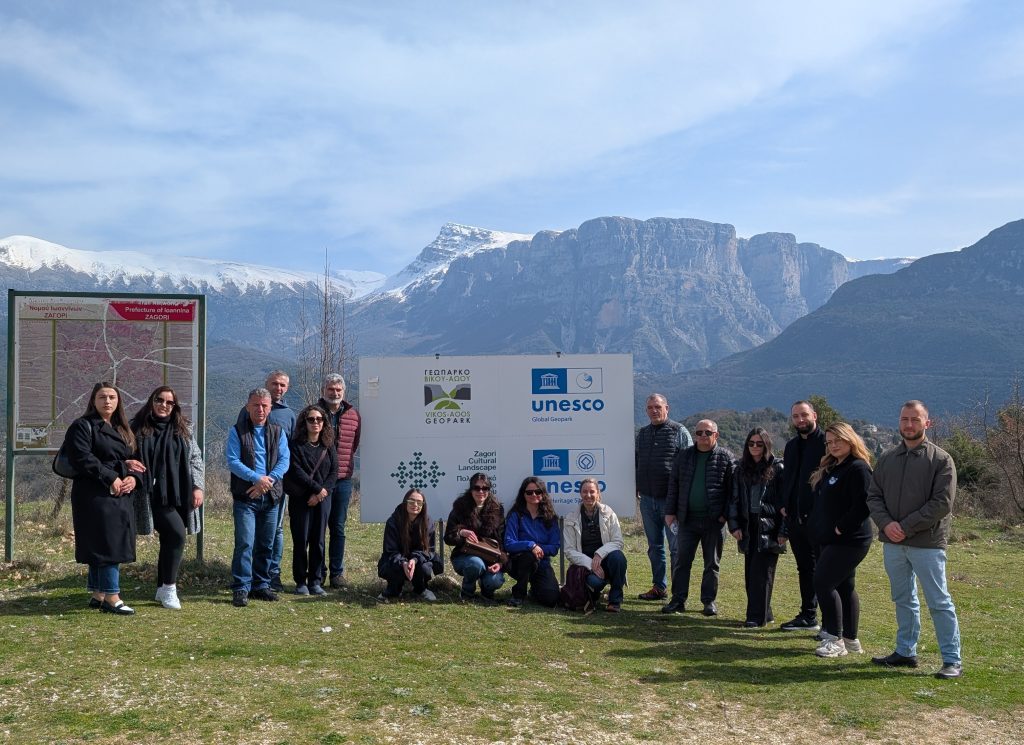
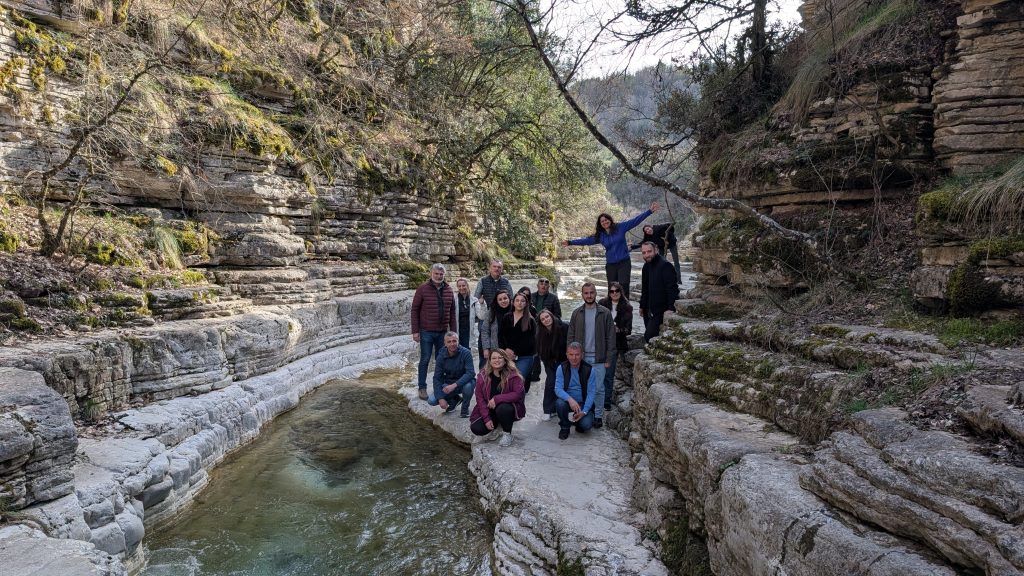
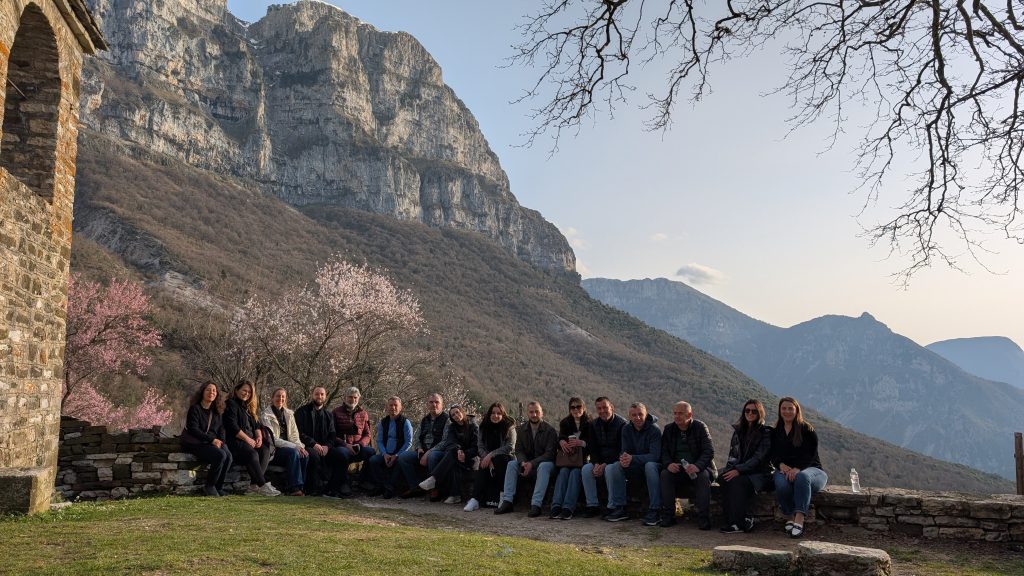
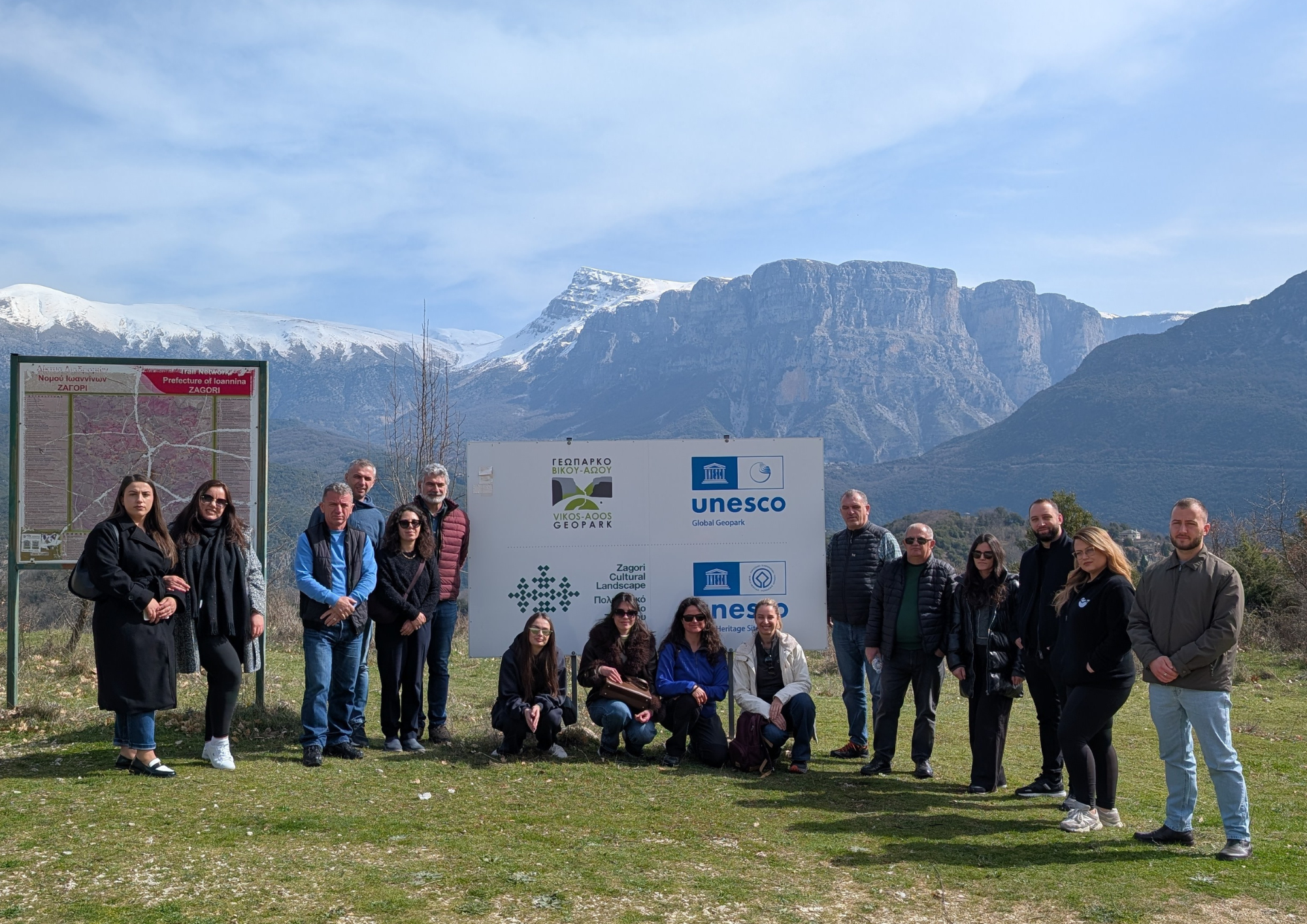
In early March, a delegation of Albanian institutions and local stakeholders from the Munella region, together with PPNEA, participated in a three-day study visit to the Pindus Mountains in Greece. The exchange aimed to support the preparation of a pilot governance action plan for Munella Nature Park, within the framework of the Connectivity Conservation Areas (CCA) project supported by the Prespa Ohrid Nature Trust.
The visit was organised with the collaboration of colleagues from the @Biodiversity Conservation Lab/University of Ioannina, Pindos Perivallontiki and Balkan Chamois Society, organisations with long-standing experience in research, monitoring, and conservation in the Pindus region.
The delegation included representatives from the Regional Administration of Protected Areas of Lezhë, Kukës and Shkodër, the municipalities of Mirditë, and Fushë-Arrëz, as well as representatives from the Ministry of Tourism and Environment of Albania and the National Agency of Protected Areas. Each institution was represented by one participant, reflecting the multi-stakeholder governance structure essential for the management of the newly established park.
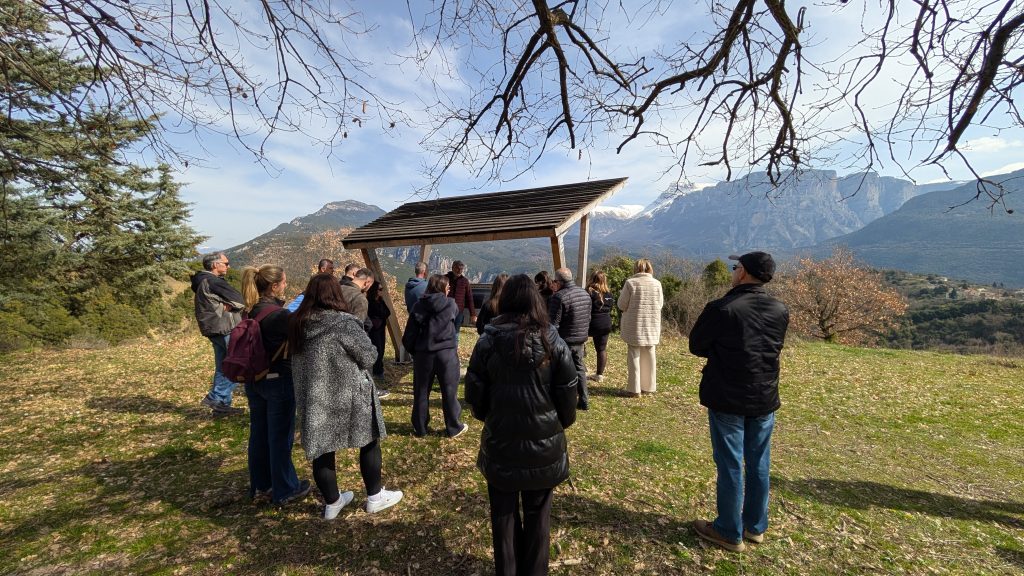
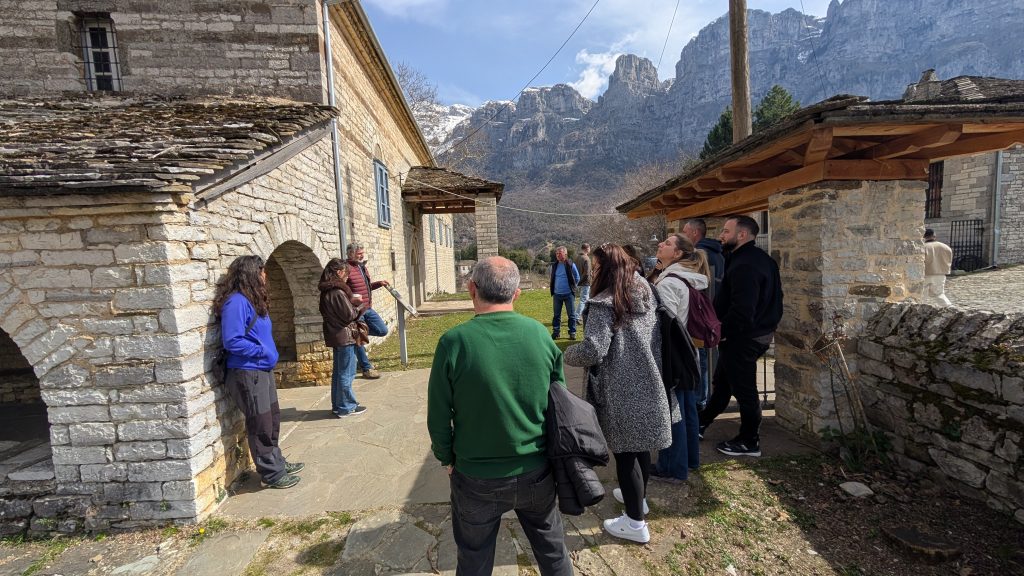
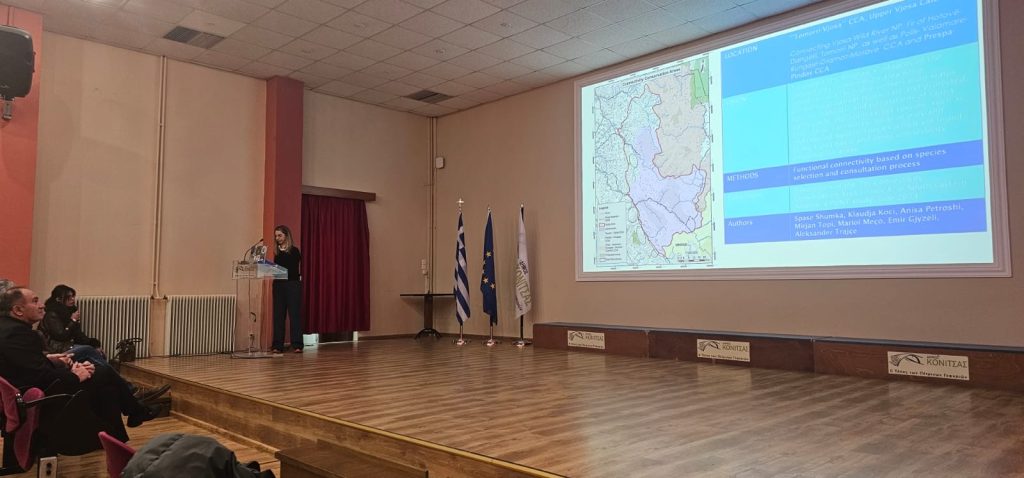
The programme was hosted in the Μunicipality of Konitsa and was welcomed by the Vice Mayor, Mr. Dimitrios Kotsaftis, together with Dr. Haritakis Papaioannou, Dr. Maria Petridou, Prof. Vassiliki Kati, and representatives of the Forest Service. It combined presentations, discussions and field visits that provided insights into protected area governance, ecological connectivity and forest conservation.
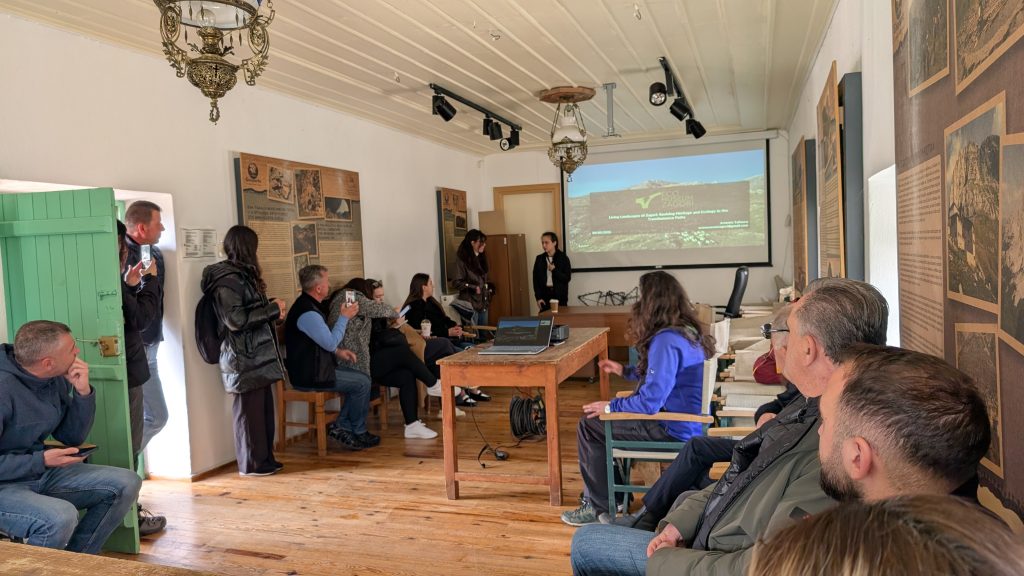
The programme combined thematic presentations and field visits structured around key governance and conservation topics. Participants were introduced to Connectivity Conservation Areas (CCAs) in Albania and to the Pindos–Prespes Connectivity Conservation Area in Greece, including the CHAMOIS project and its work on ecological corridors and governance planning.
The forest and wildlife management framework in Greece was presented by the Forest Service (Inspection Directorate for Forest Policy Implementation of Epirus and Western Macedonia, Mr. N. Kanellopoulos).
Research on old-growth forests in Albania and Greece was presented, along with the role of roadless areas in conserving forests with old-growth characteristics in Greece.
Community-based approaches were showcased through the @Ecomuseum initiative in Zagori, highlighting the link between cultural heritage, traditional practices, and conservation (Ecomuseum representative: Artemis Talioura).
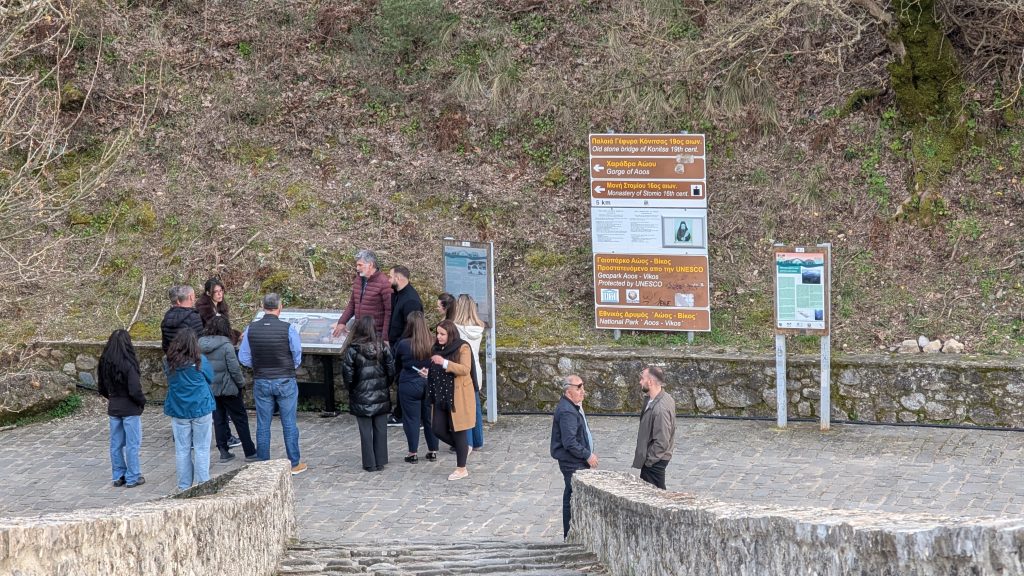
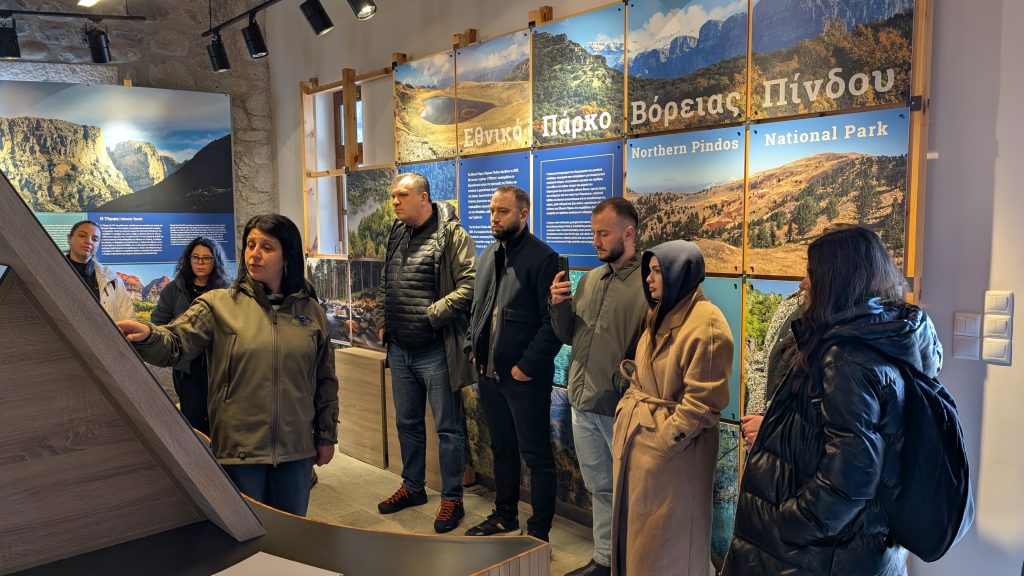
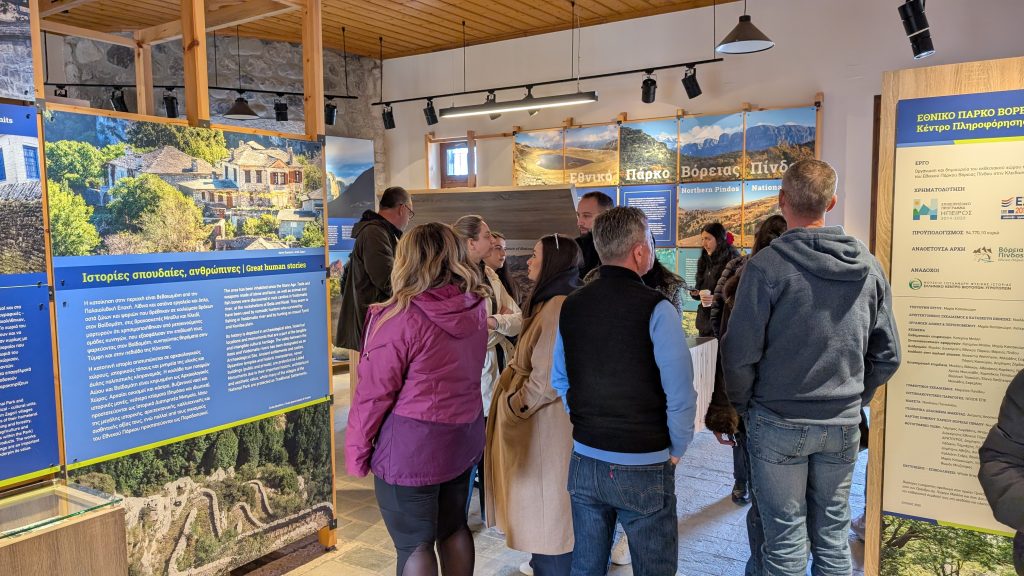
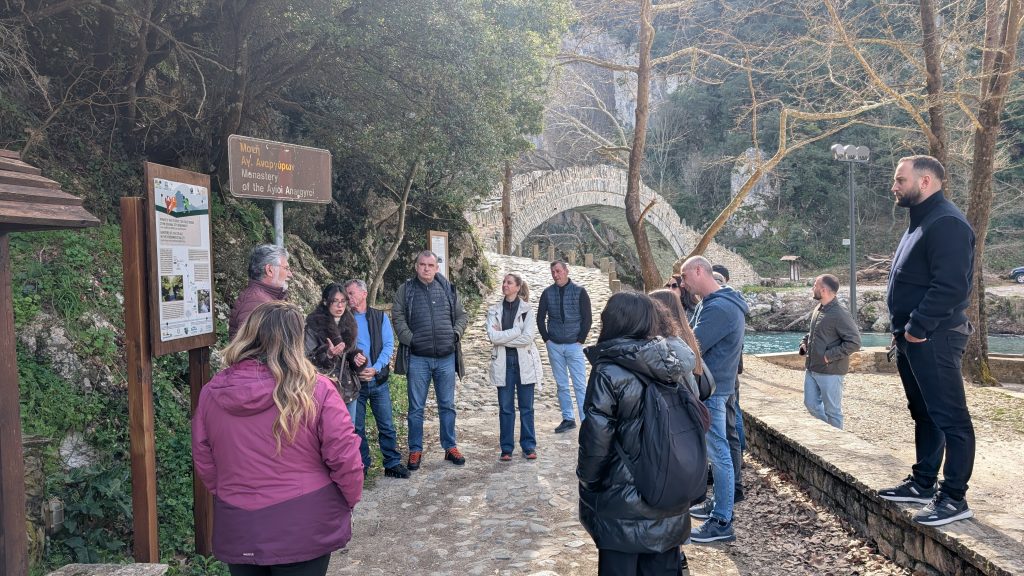
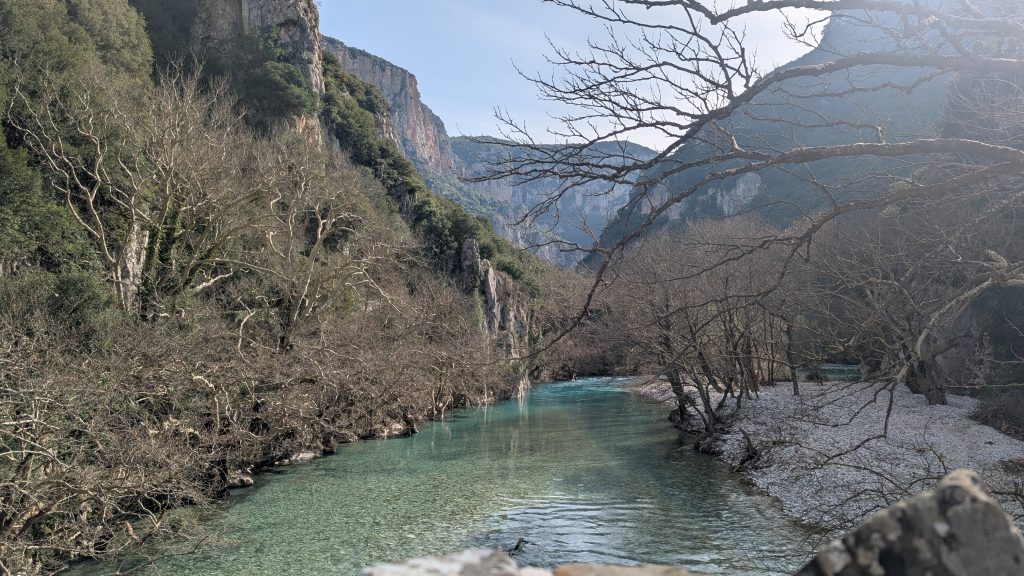
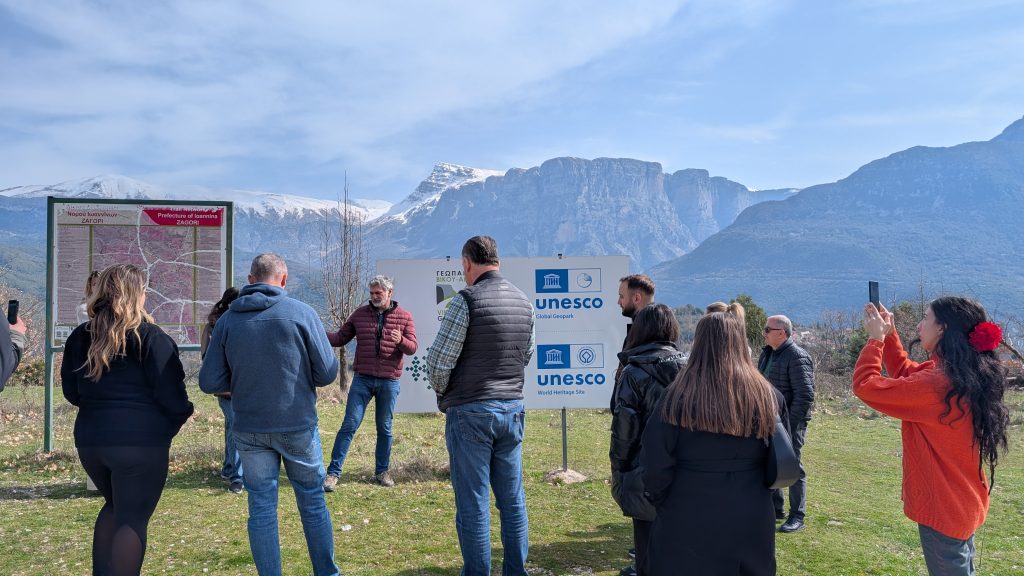
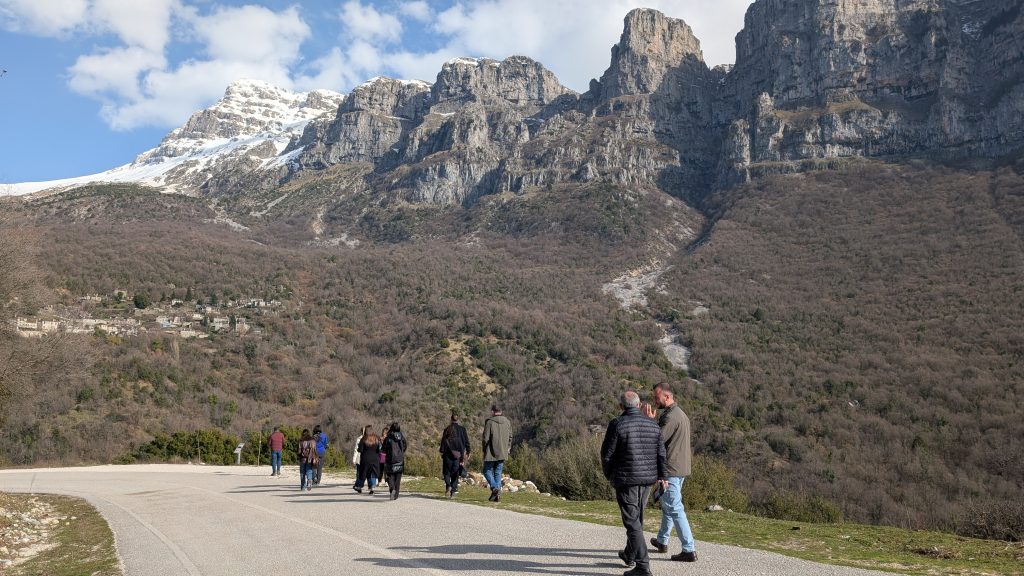
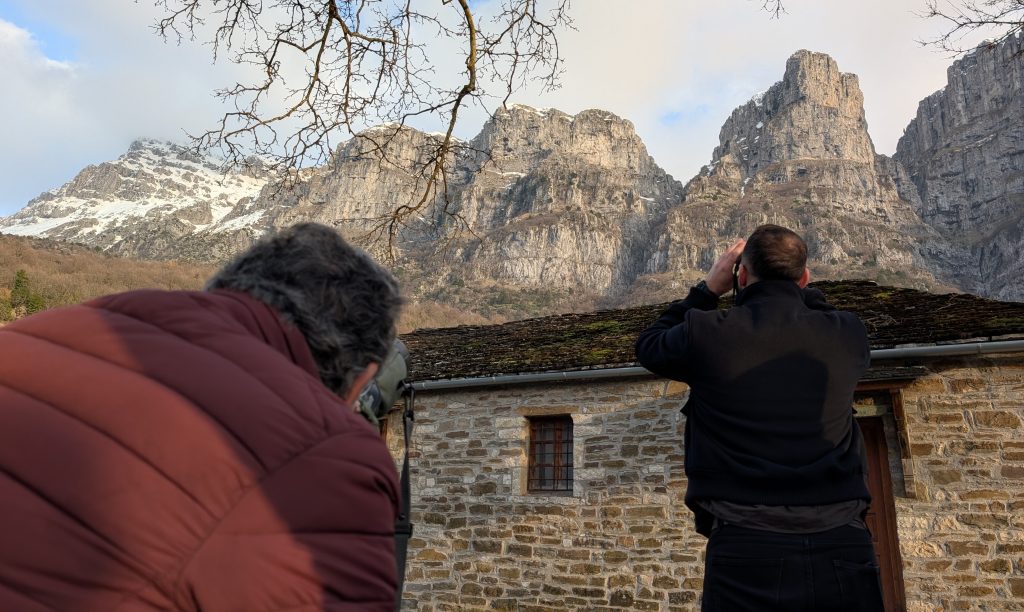
The second day started with a visit to the North Pindos National Park Information Centre, providing practical insights into protected area management and species monitoring programmes. It continued with a field visit to the Vikos–Aoos UNESCO Global Geopark, including its information centre in Papingo, where participants were introduced to governance structures, visitor management, and community engagement approaches, highlighting how conservation initiatives can be effectively linked with sustainable tourism and local development.
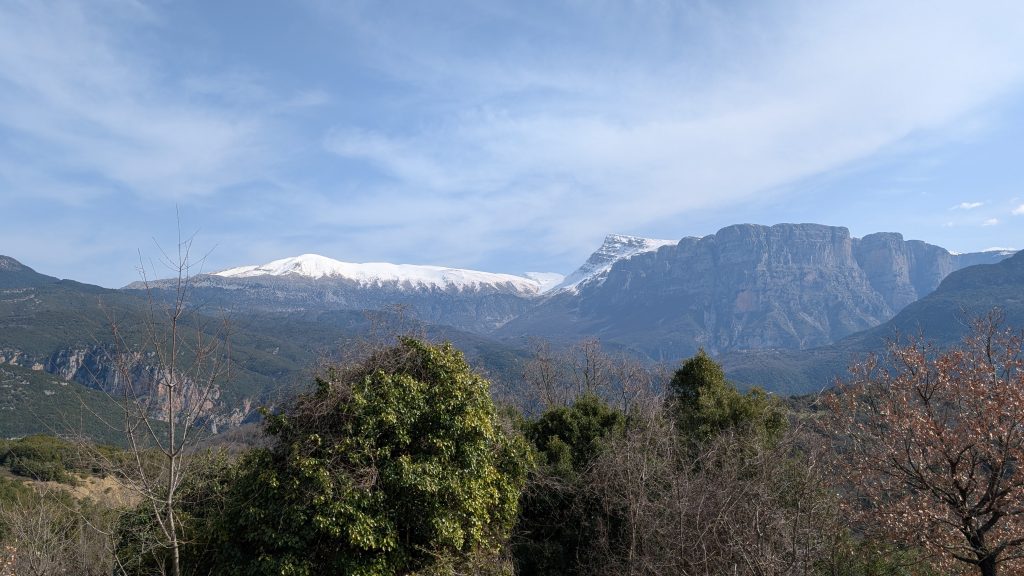
A particularly memorable moment was the observation of a herd of Balkan chamois (Rupicapra rupicapra balcanica), an iconic species symbolizing ecological connectivity across the mountain landscapes of the Western Balkans.
Proclaimed as a protected area in 2022, Munellë Nature Park represents an important mountainous landscape in northern Albania and a key area for biodiversity conservation and ecological connectivity, especially known as Balkan lynx home in Albania. The park is jointly linked with several institutions and local authorities, making collaboration essential for its effective management.
By bringing together institutions responsible for the management and governance of Munella Nature Park, the visit provided valuable inspiration and practical insights that will contribute to the development of the pilot governance action plan for the park and strengthen collaboration among stakeholders involved in its future management.
Following the exchange visit, the process of developing the pilot governance action plan for Munella Nature Park will continue with stakeholders in Albania. PPNEA is conducting a series of interviews with institutions and local stakeholders from the Munella region in order to better understand the potential and readiness for collaboration beyond the boundaries of the protected area.
The consultation process will explore opportunities for strengthened cooperation among municipalities, protected area authorities and national institutions across the wider Munella landscape. The insights gathered through these interviews will contribute to the preparation of a multi-stakeholder governance approach for the region. The process will conclude with a dedicated workshop where the interviewed stakeholders will come together to share perspectives, discuss proposed ideas and jointly reflect on possible governance arrangements for the future management and connectivity of the Munella landscape.