
Tirana, Albania | 25–27 February 2026
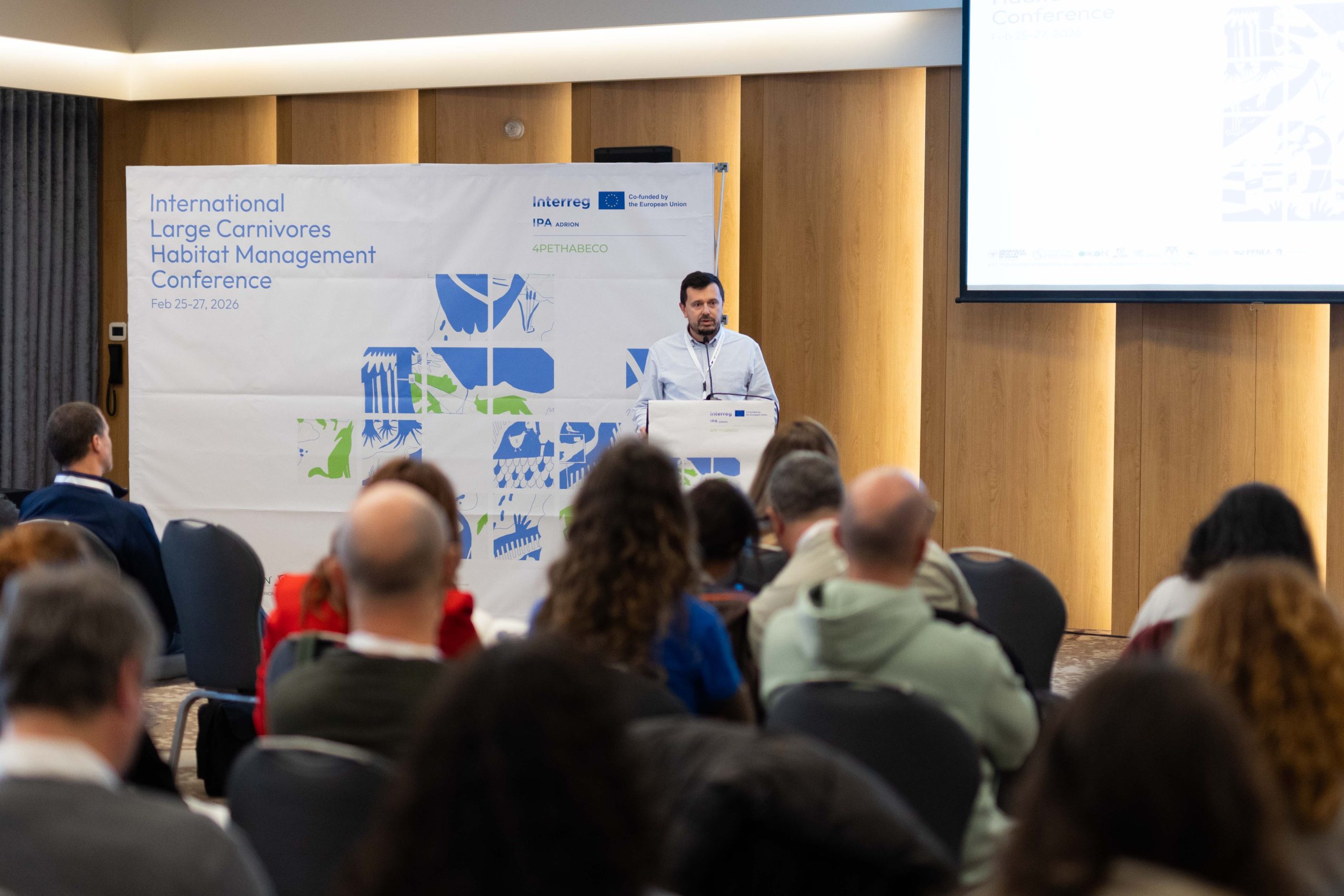
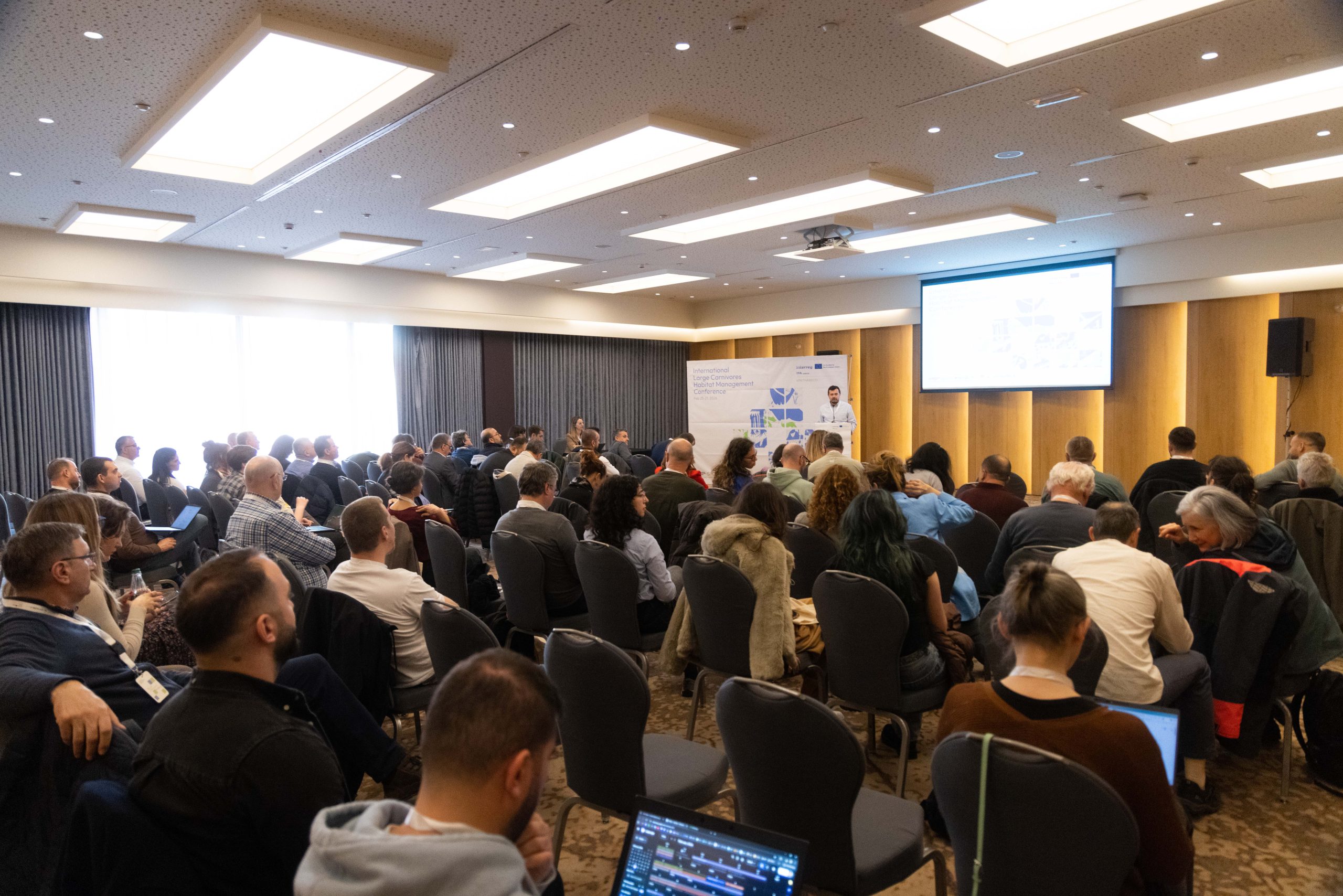
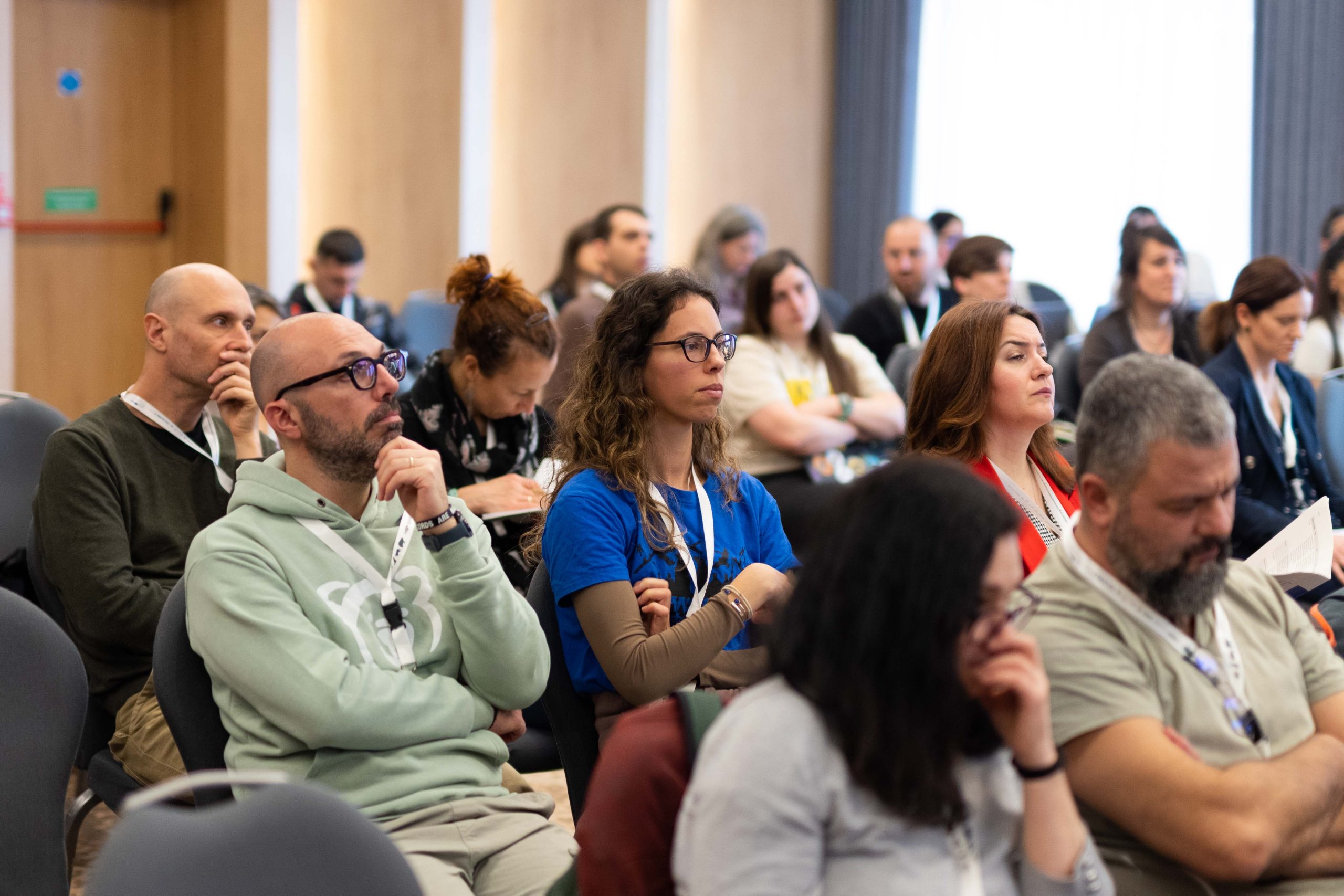
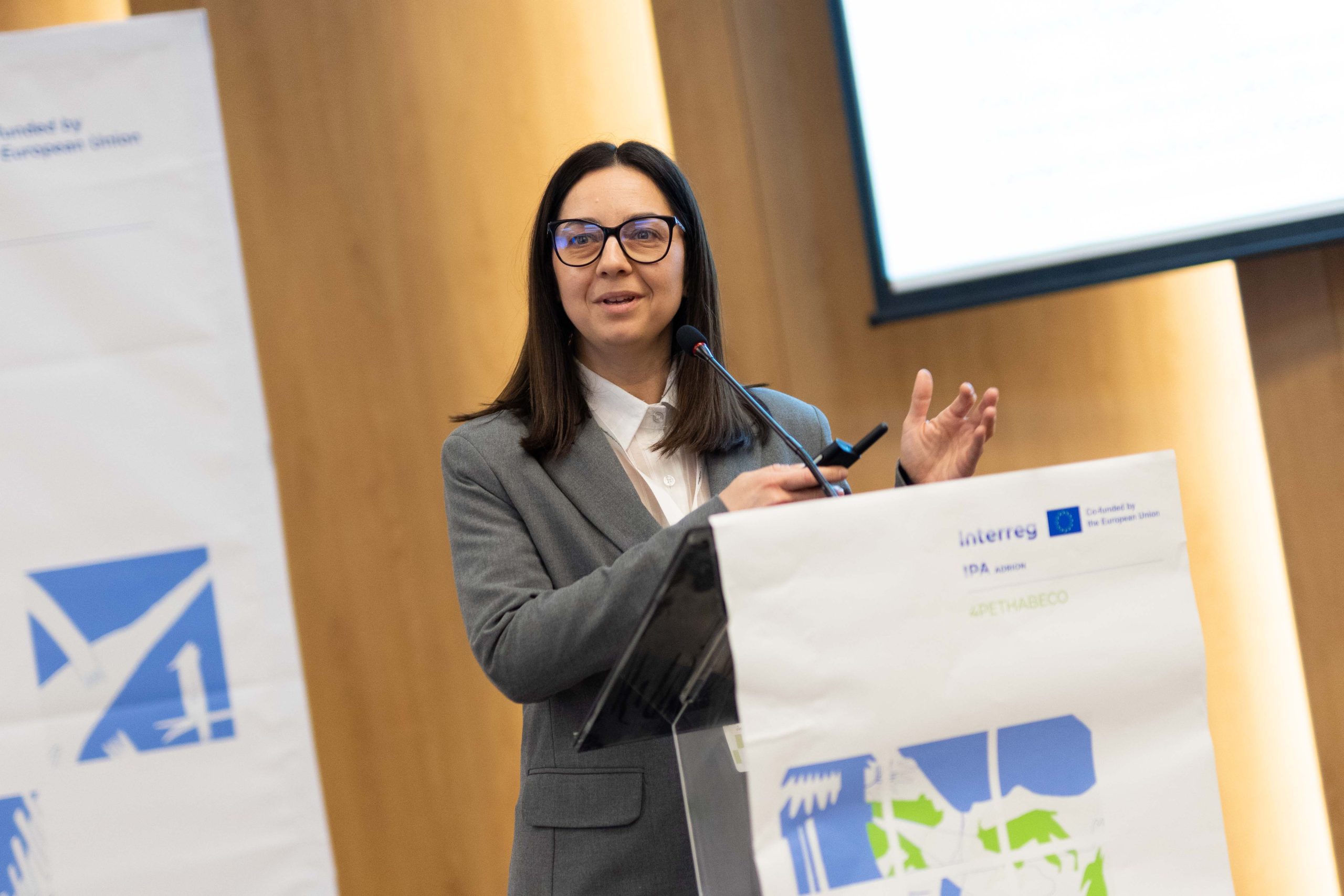
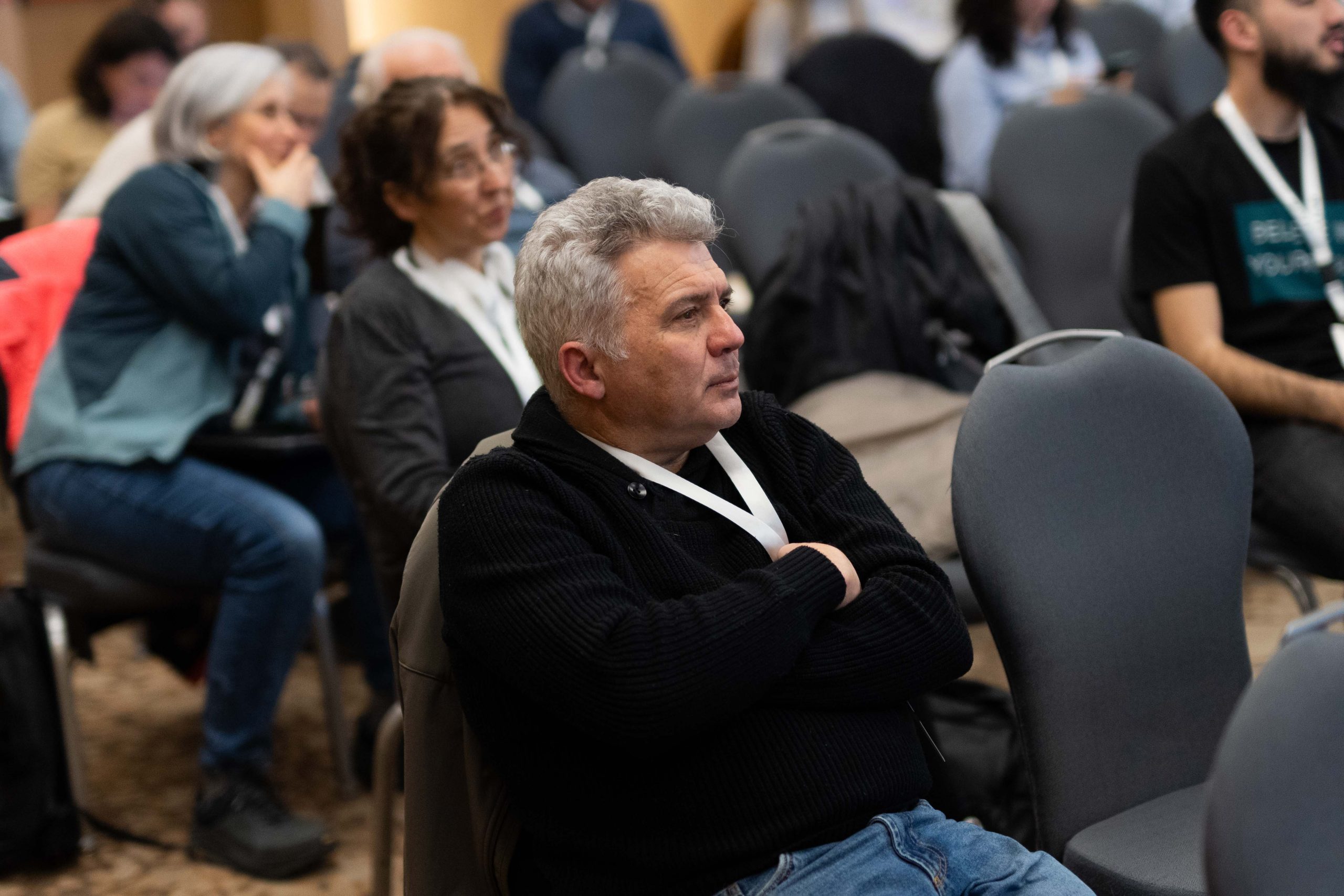
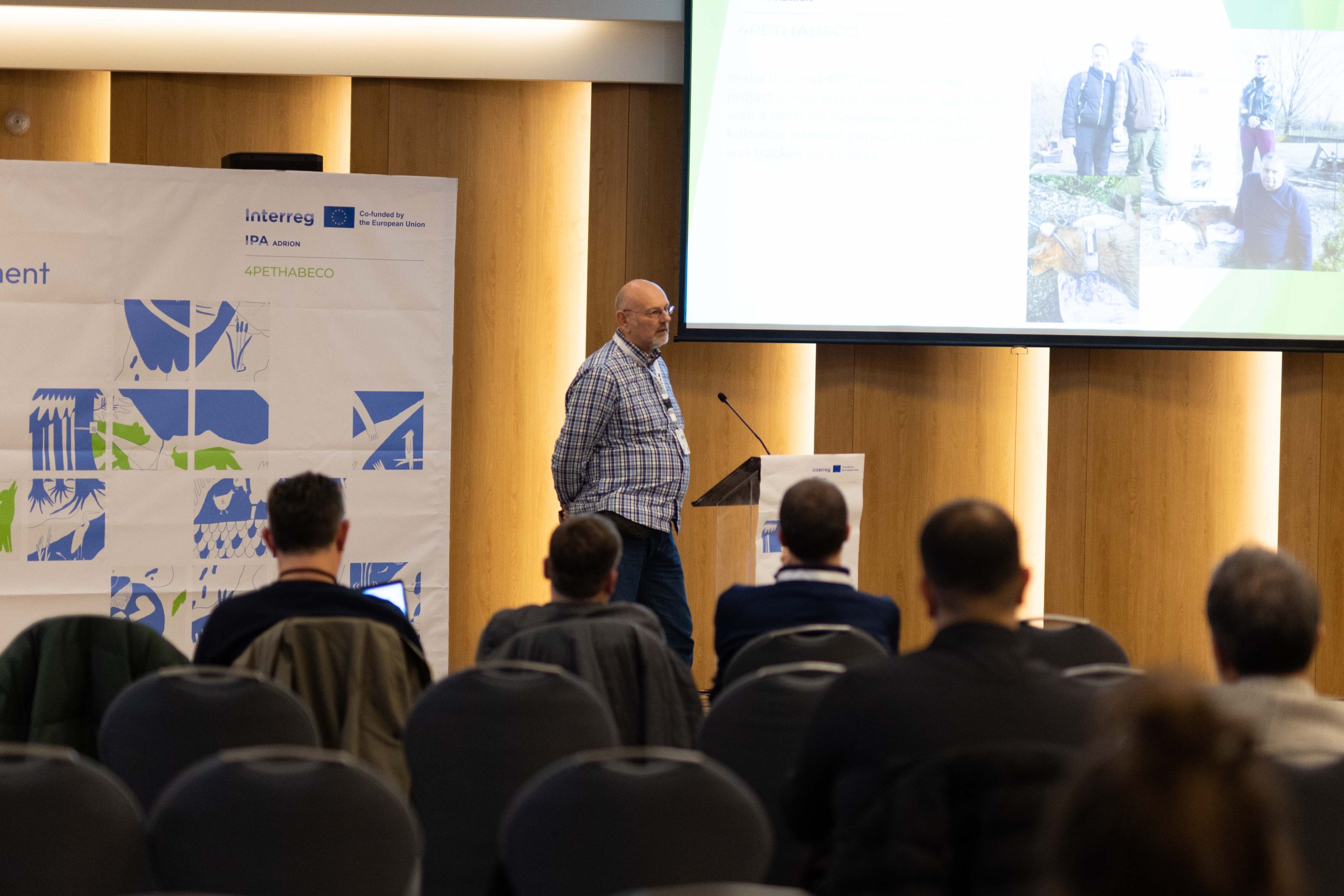
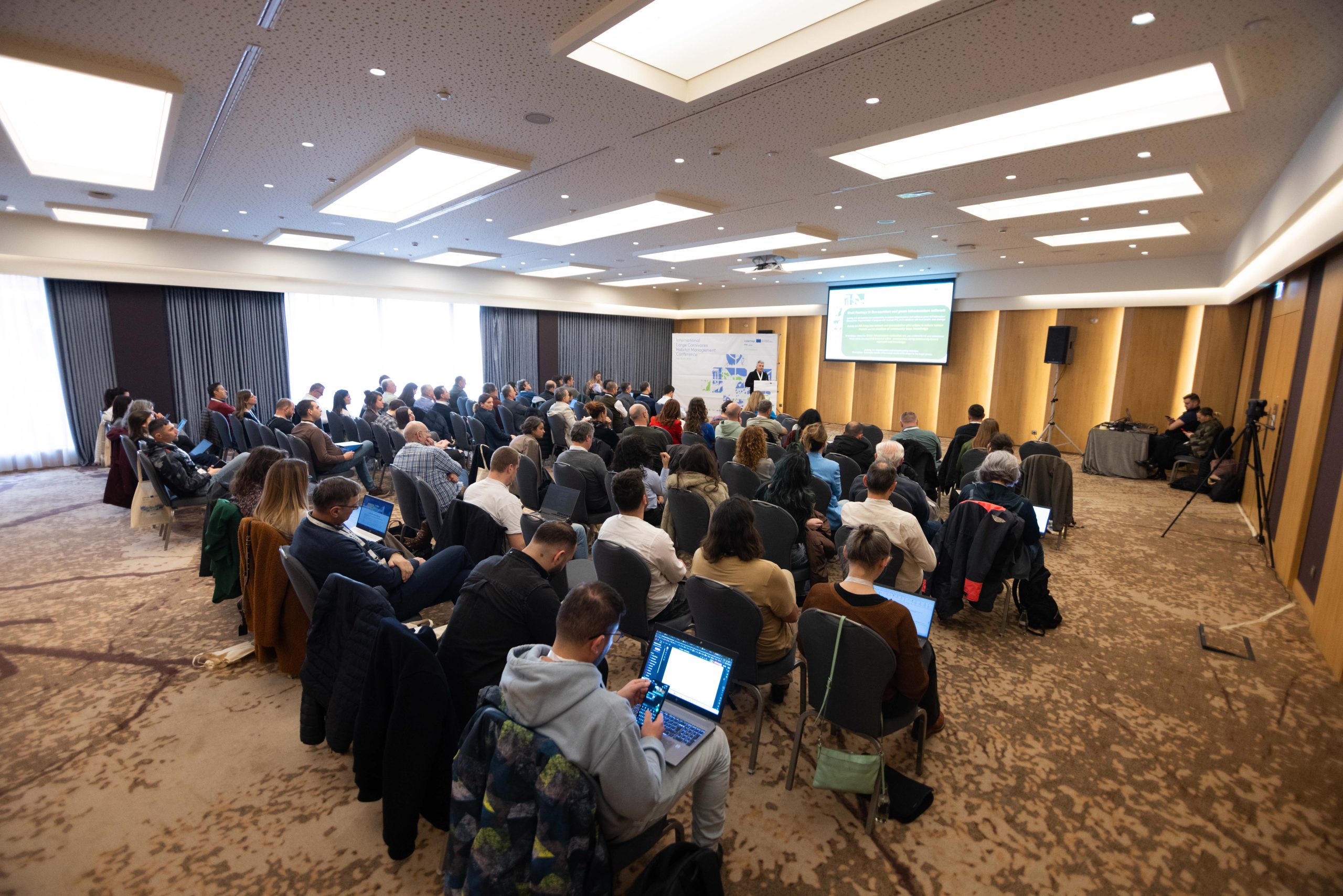
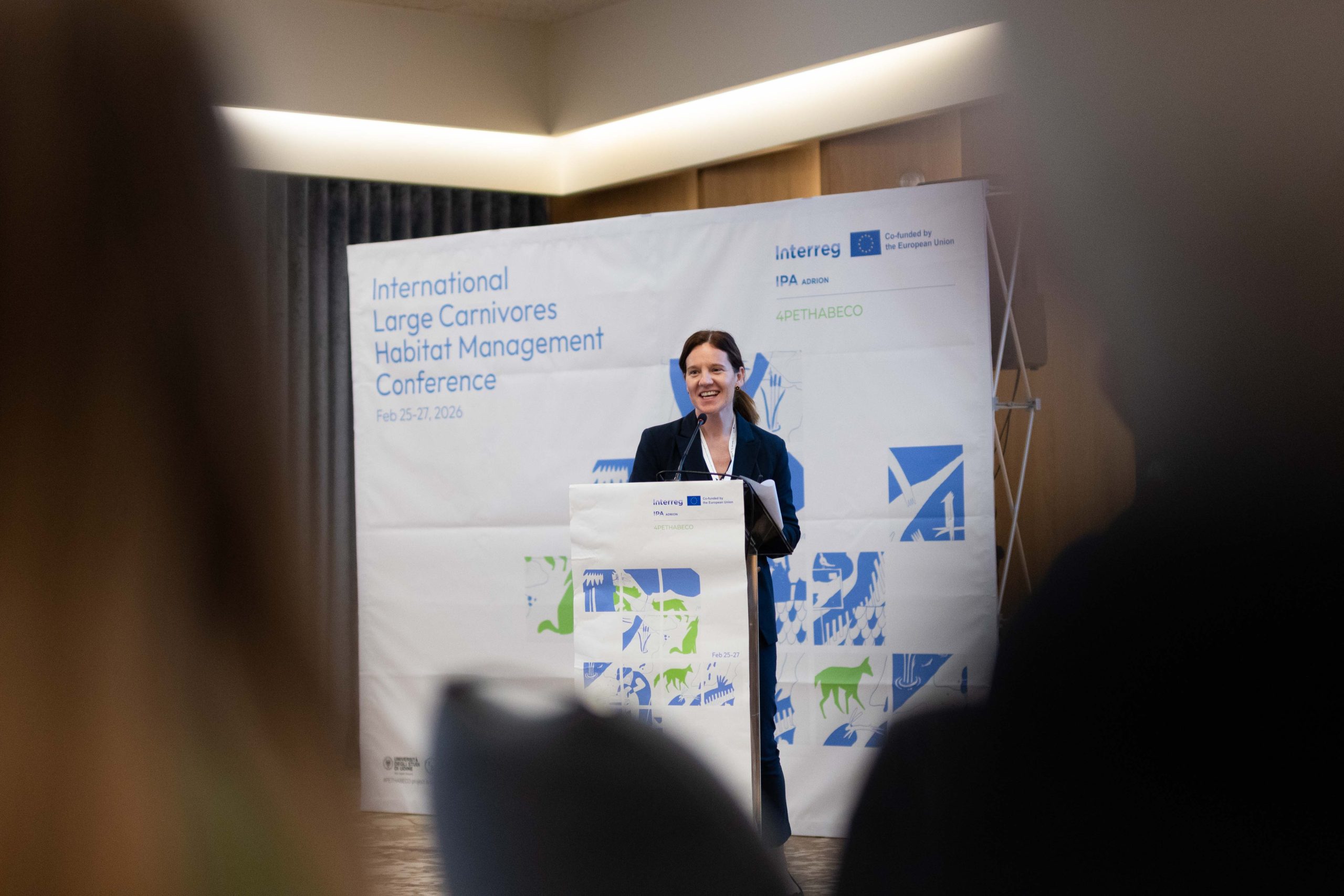
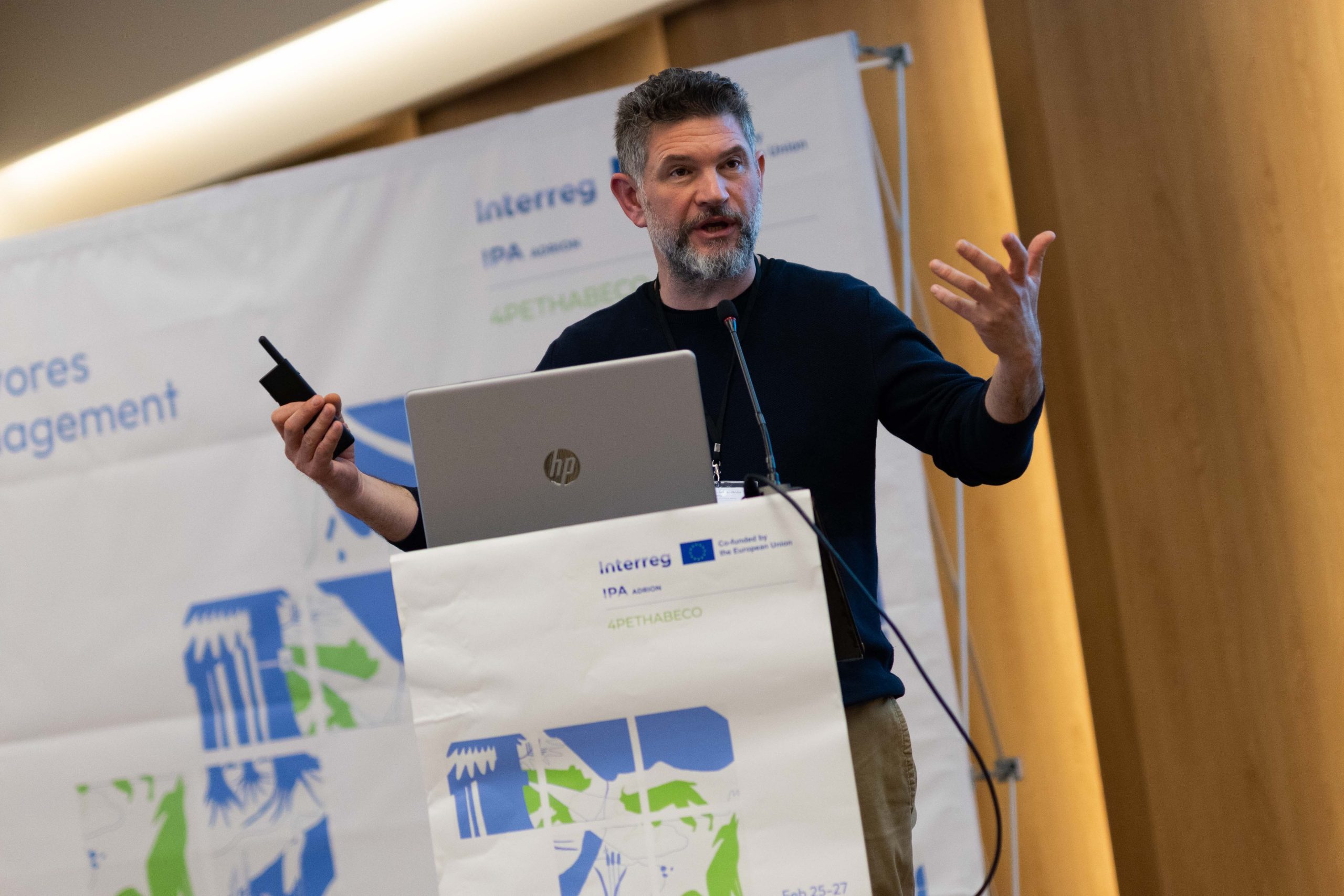
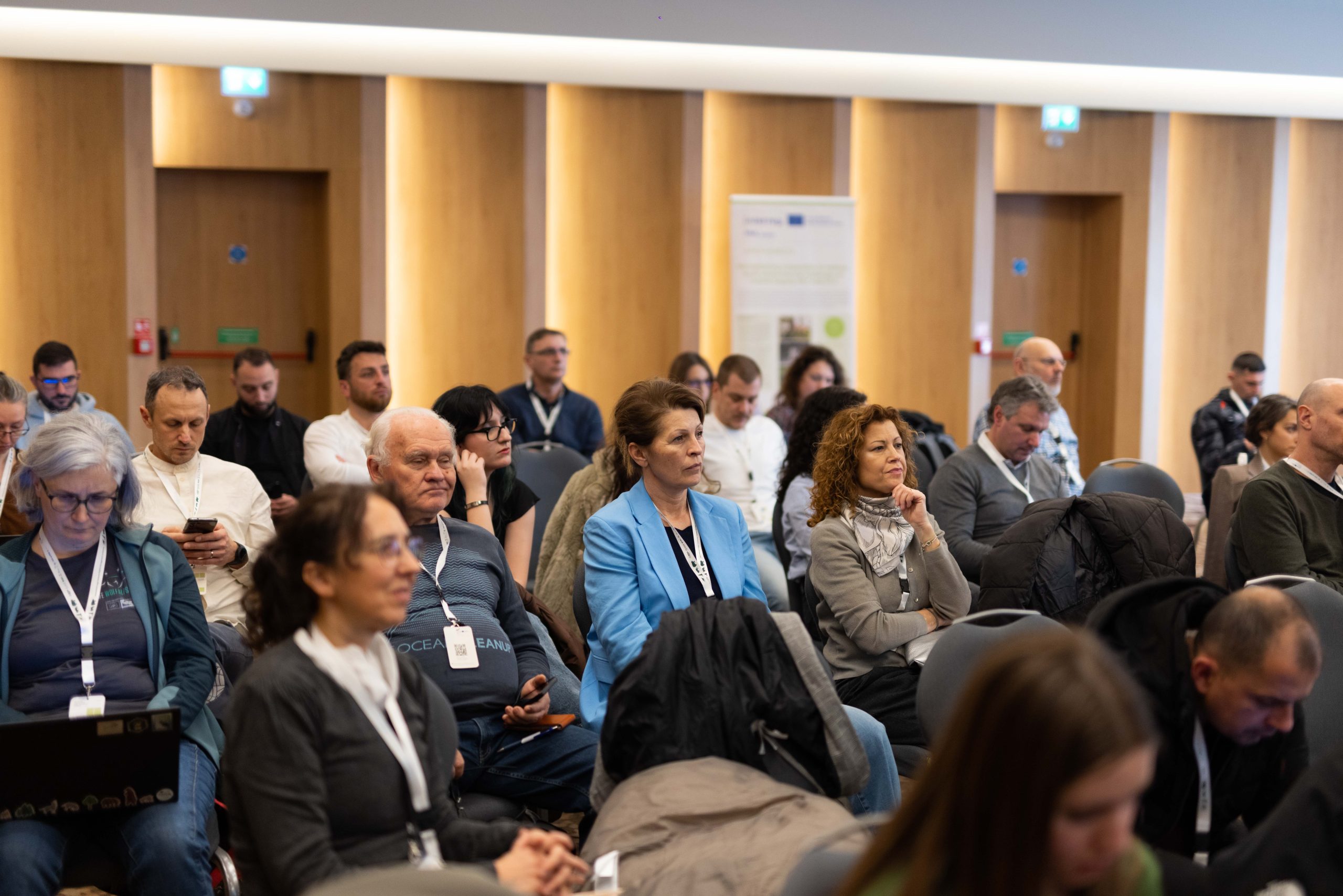
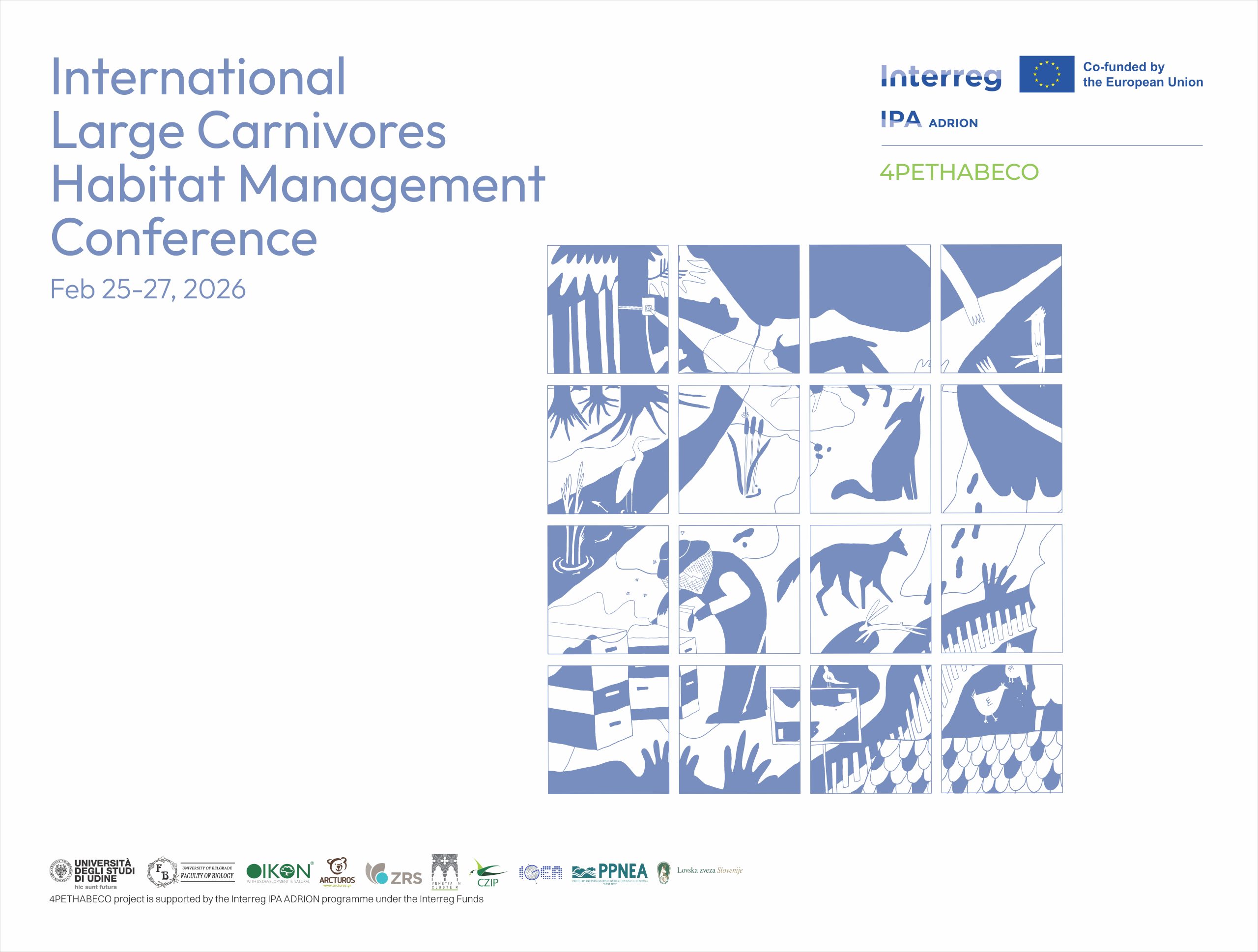
The International Large Carnivores Habitat Management Conference was held for the first time in Albania on 25 February 2026 in Tirana, bringing together over 90 researchers, practitioners, policymakers, and civil-society representatives from across Europe. The event served as a high-level platform for advancing cooperation and innovative solutions to ensure the long-term conservation of large carnivores and their coexistence with people.
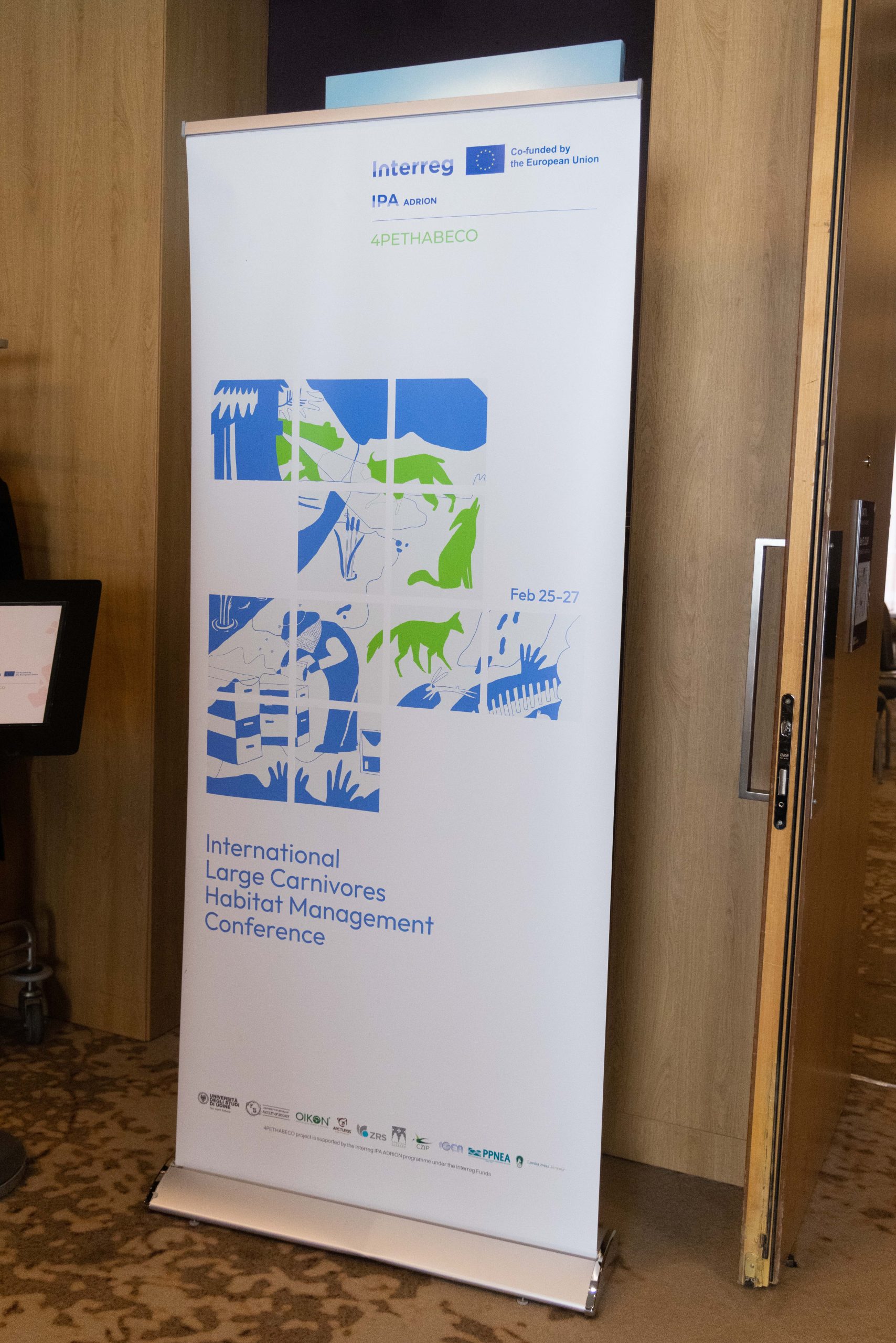
The conference is organized within the framework of the 4PETHABECO Project, implemented under the Interreg IPA ADRION Programme. The project strengthens cooperation among partners from Italy, Slovenia, Croatia, Montenegro, Serbia, Albania, Greece, and North Macedonia to address socio-environmental challenges linked to the EUSAIR flagship PET HAB ECO (Protection and Enhancement of Natural Terrestrial Habitats and Ecosystems), part of Pillar 3 “Environmental Quality” of the EU Strategy for the Adriatic and Ionian Region (EUSAIR).
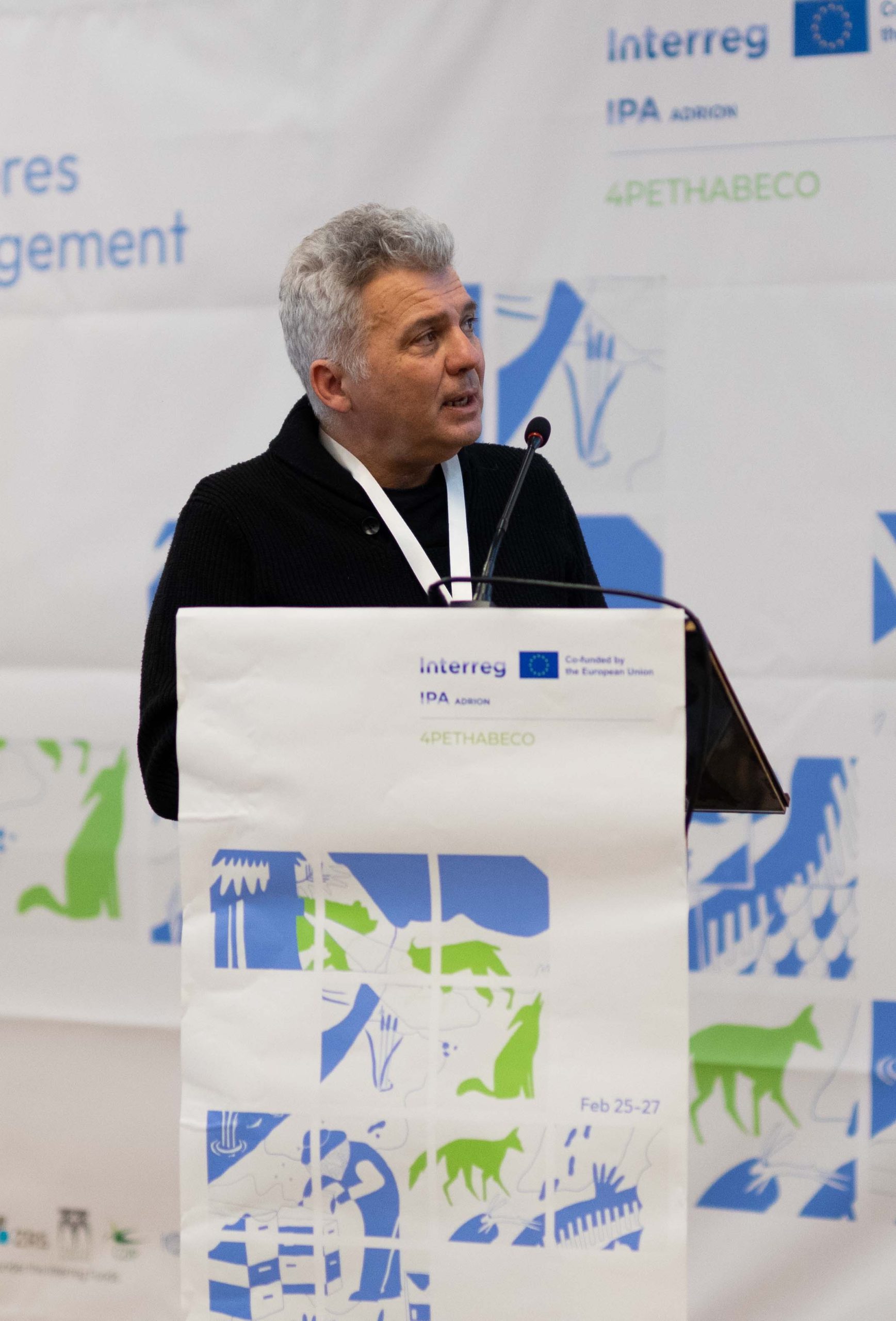
PPNEA Director Dr. Aleksandër Trajçe emphasized: “Hosting this international conference in Albania marks an important milestone for regional cooperation in large carnivore conservation. It reaffirms our shared responsibility to upkeep coexistence between people and wildlife, an especially critical priority for Albania, where this balance is both a natural heritage and a necessity for the future in the light of EU integration processes. By sharing knowledge, harmonising monitoring practices, and promoting participatory approaches, we are taking concrete steps to protect lynx, bears, wolves, and jackals, as well as the habitats they depend on, while ensuring that such efforts remain compatible with the needs, traditions, and values of local communities.”
Albania, situated at the crossroads of key ecological corridors within the Dinaric–Pindos range, plays a crucial role in maintaining connectivity for species such as lynx, brown bear, wolf, and jackal. Hosting the conference in Tirana highlighted both the country’s strategic ecological importance and the shared responsibility of the region in conserving transboundary wildlife populations.
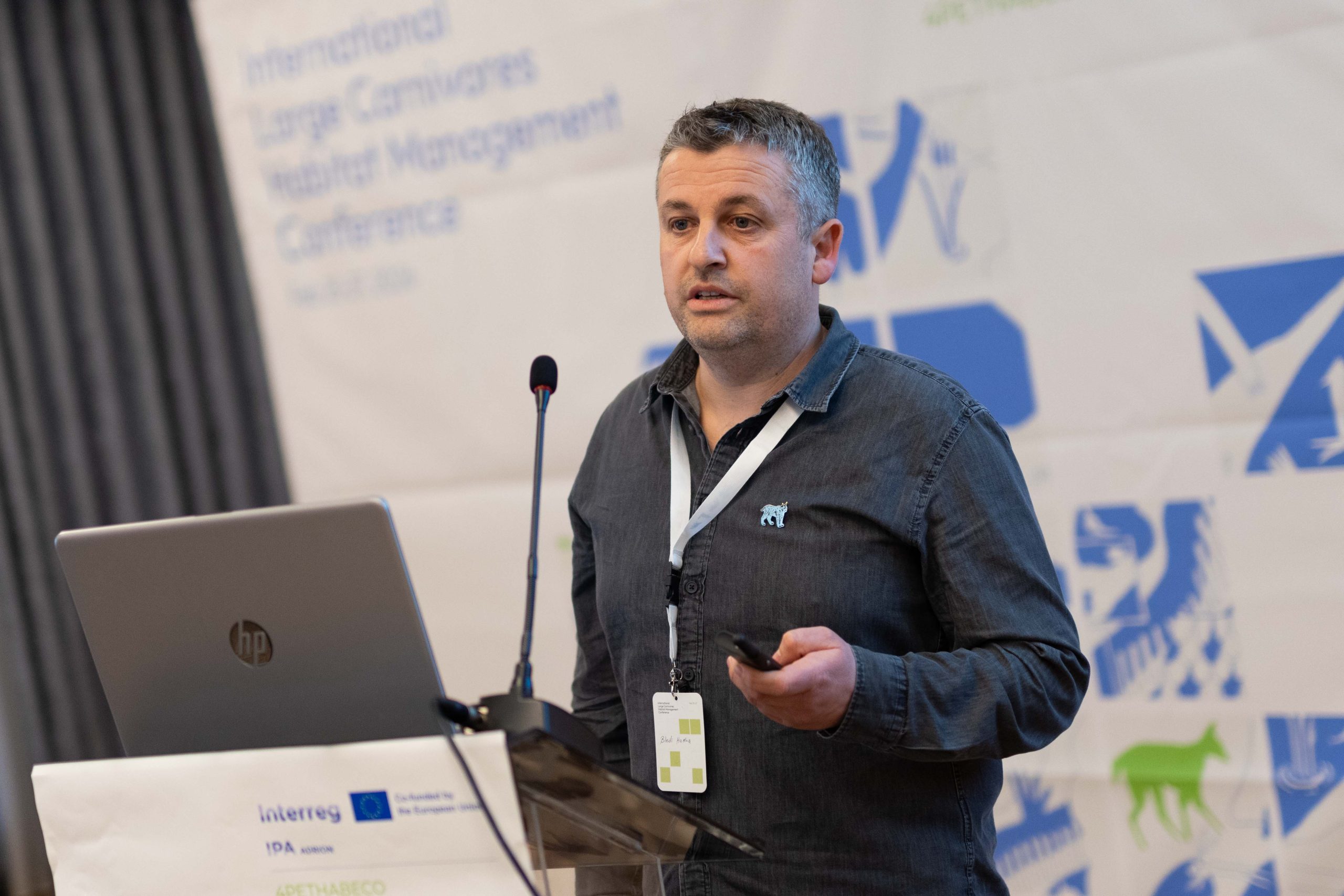
Stefano Filacorda, lead partner of the project 4PETHABECO from the University of Udine, noted:
“The 4Pethabeco project found the ongoing conference in Tirana, organized by PPNEA, to be an ideal venue for effectively achieving its core objectives. These include strengthening relationships between nations and institutions, as well as identifying common guidelines for biodiversity conservation—with a specific focus on large carnivores.
The conference explored ecological, social, and governance dimensions of large carnivore habitat management. Discussions emphasized that conservation success depends not only on scientific knowledge but also on participatory approaches, spatial planning, and effective cross-border collaboration.
The first day focused on large carnivore distribution, ecological requirements, and connectivity modelling across the Alpine–Dinaric–Pindos region. Presentations included:
- A regional habitat suitability assessment across the Alpine–Dinaric–Pindos landscape
- Advances in structured mapping for long-term mammal monitoring
- Conservation actions for the Balkan lynx
- Brown bear distribution and connectivity in the Caucasus and Carpathians
- Human–wildlife coexistence challenges and cross-border management approaches
The conference directly contributes to the development of a Joint AIR Strategy and Action Plan from the PETHABECO project. The initiative aims to harmonize monitoring practices, improve data transparency through shared digital tools, strengthen stakeholder engagement, and enhance ecological corridors.
A distinctive feature of the event was its strong emphasis on the human dimension of conservation. Participants explored how cultural values, narratives, and historical experiences shape relationships between people and large carnivores, recognizing that socially informed approaches are essential for long-term coexistence.
By bringing together diverse expertise from the Alps, the Balkans, the Carpathians, and the Caucasus, the International Large Carnivores Habitat Management Conference strengthened regional exchange. It contributed to the development of more coherent, inclusive, and effective strategies for conserving Europe’s large carnivores and the landscapes they depend on.