
BirdLife International publikoi sot raportin “Gjendja e Shpendëve të Botës” gjatë Samitit Global për Rrugët e Shtegtimit në Nairobi. Partnerët e BirdLife, organizatat joqeveritare, qeveritë dhe institucionet financiare nënshkruan Deklaratën e Nairobit për Rrugët e Shtegtimit, ndërsa Nismat Rajonale për Rrugët e Shtegtimit në Afrikë, Azi, Evropë dhe Amerikë po kalojnë në fazën e zbatimit.

Nairobi, Kenia, 11 shtator 2026
BirdLife International publikoi sot raportin “Gjendja e Shpendëve të Botës” gjatë Samitit Global për Rrugët e Shtegtimit, organizuar bashkë me Nature Kenya. I publikuar çdo katër vjet, ky është edicioni i parë i raportit i përqendruar tërësisht te shpendët shtegtarë dhe rrugët e shtegtimit nga të cilat ata varen.
Samiti shënoi gjithashtu nënshkrimin e Deklaratës së Nairobit për Rrugët e Shtegtimit nga aktorë kyç, përfshirë qeveritë, shkencëtarët, organizatat joqeveritare, organizatat e ruajtjes së natyrës dhe institucionet financiare. Përmes kësaj Deklarate, firmëtarët angazhohen për të shtuar përpjekjet dhe bashkëpunimin për mbrojtjen e shpendëve shtegtarë dhe habitateve të tyre përtej kufijve shtetërorë. Paralelisht, bankat e zhvillimit kanë mobilizuar më shumë se 6 miliardë dollarë amerikanë për financimin e ruajtjes së natyrës që nga viti 2021.
Së bashku, këto zhvillime shënojnë një ndryshim të rëndësishëm në përmasën dhe koordinimin e reagimit global për ruajtjen e rrugëve të shtegtimit.
“Gjendja e Shpendëve të Botës”: gjetjet kryesore
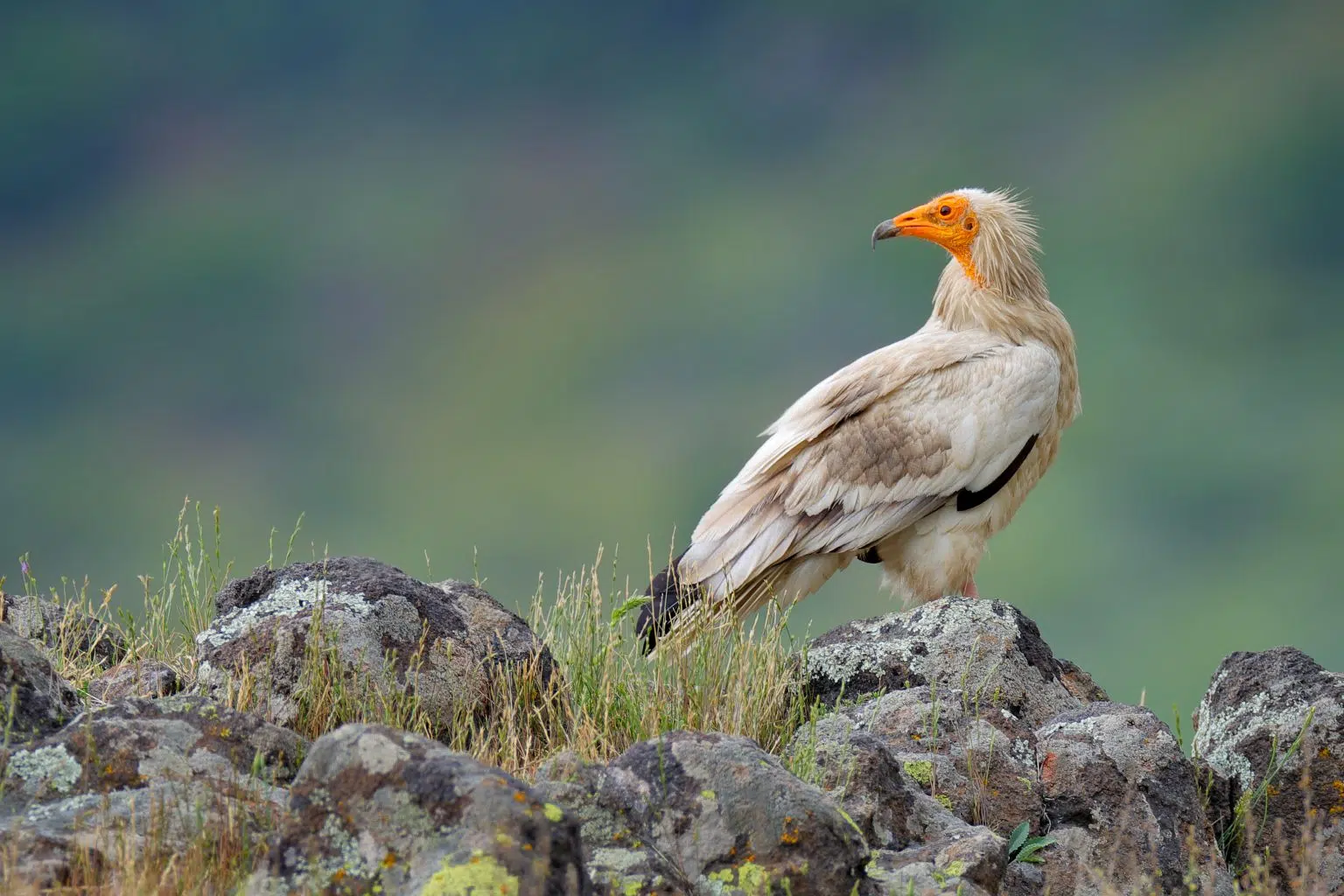
Kali i qyqes – Egyptian Vulture © Ondrej Prosicky
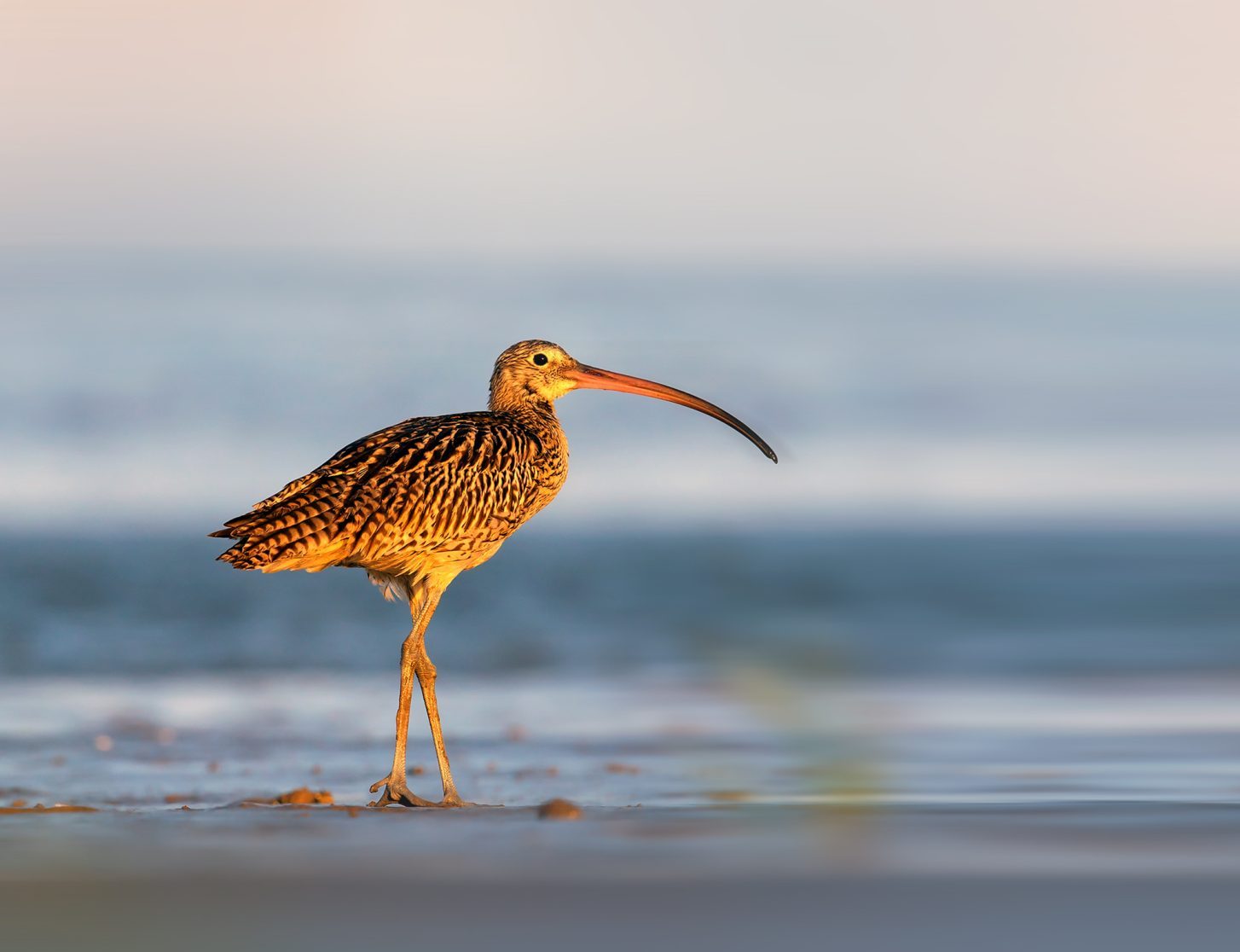
Lurku i Orientit – Far Eastern Curlew © Wang LiQiang, Shutterstock
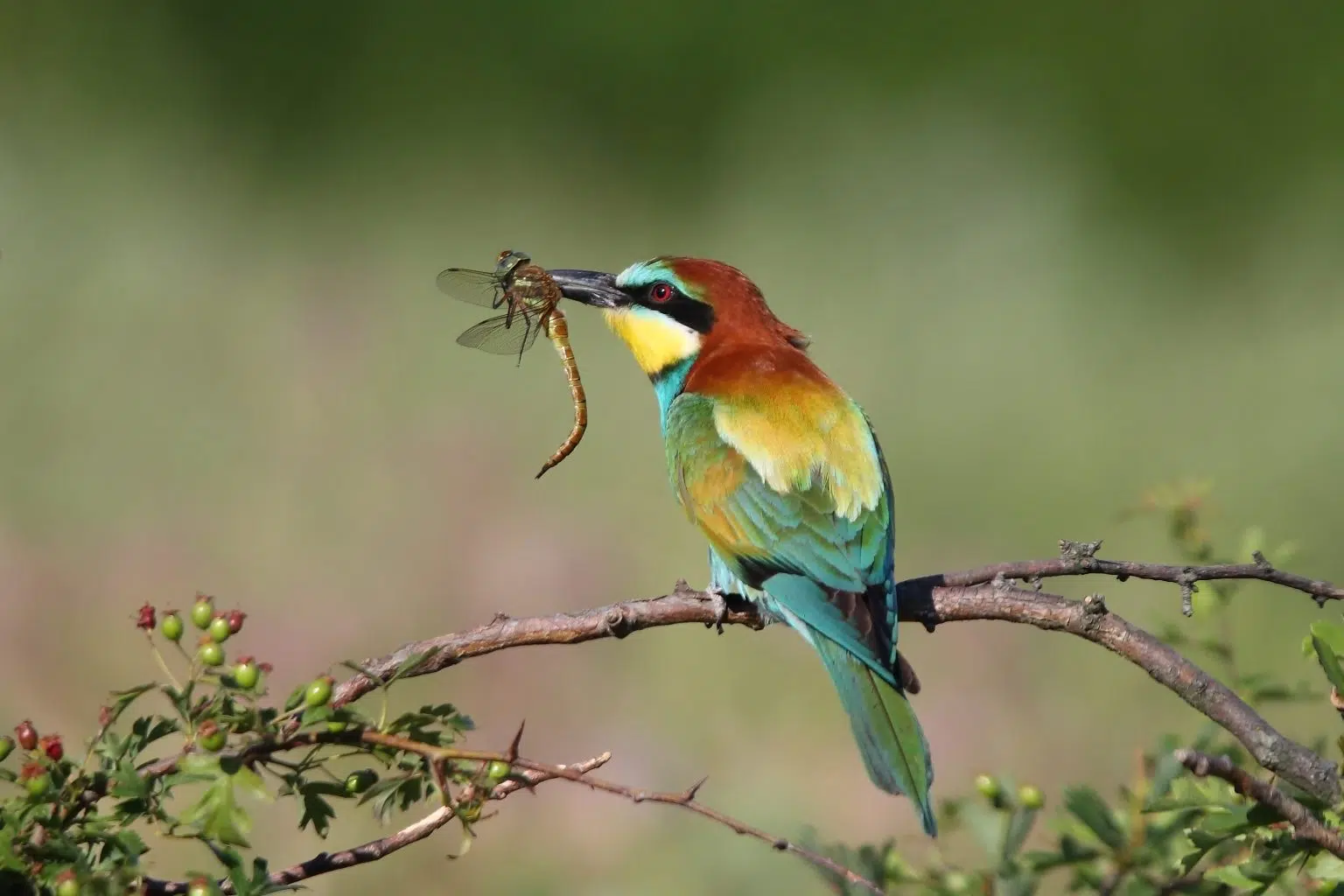
Gargulli – European bee-eater © Richard Cff, Shutterstock
Gjetjet e raportit janë alarmante: 45% e llojeve të shpendëve shtegtarë janë në rënie, ndërsa një në nëntë lloje është i rrezikuar nga zhdukja.
Zhdukja e Kojlikut sqephollë (Slender-billed Curlew) në vitin 2025, e cila u regjistrua për herë të fundit në një lagunë në Marok në shkurt 1995, shënon zhdukjen e parë globale të një lloji shpendi në Evropën kontinentale dhe Afrikë gjatë shekujve të fundit. Gjashtë lloje të tjera shtegtare janë konfirmuar ose dyshohen se janë zhdukur gjatë 150 viteve të fundit.
Llojet që varen nga habitatet detare, pyjet dhe ligatinat bregdetare po përballen me rënien më të madhe të popullatave, ndërsa shpendët detarë dhe baltakët janë ndër grupet më të rrezikuara.
Megjithatë, raporti sjell edhe arsye për shpresë. Rënia e popullatave lidhet me faktorë të njohur dhe të shkaktuar nga aktiviteti njerëzor, përfshirë llojet invazive, intensifikimin e bujqësisë, ndryshimet klimatike dhe gjuetinë e paqëndrueshme.
Kur praktikat bujqësore, të peshkimit dhe të përdorimit të tokës adresohen në mënyrë të koordinuar përgjatë të gjithë rrugës së shtegtimit, dhe jo vetëm në zona të veçuara, popullatat e shpendëve mund të rikuperohen. Një shembull është aksioni i koordinuar ndërmjet disa vendeve për Kalin e qyqes (Egyptian Vulture), i cili ka bërë të mundur ndalimin e rënies së popullatës së këtij lloji që folezon në Ballkan.