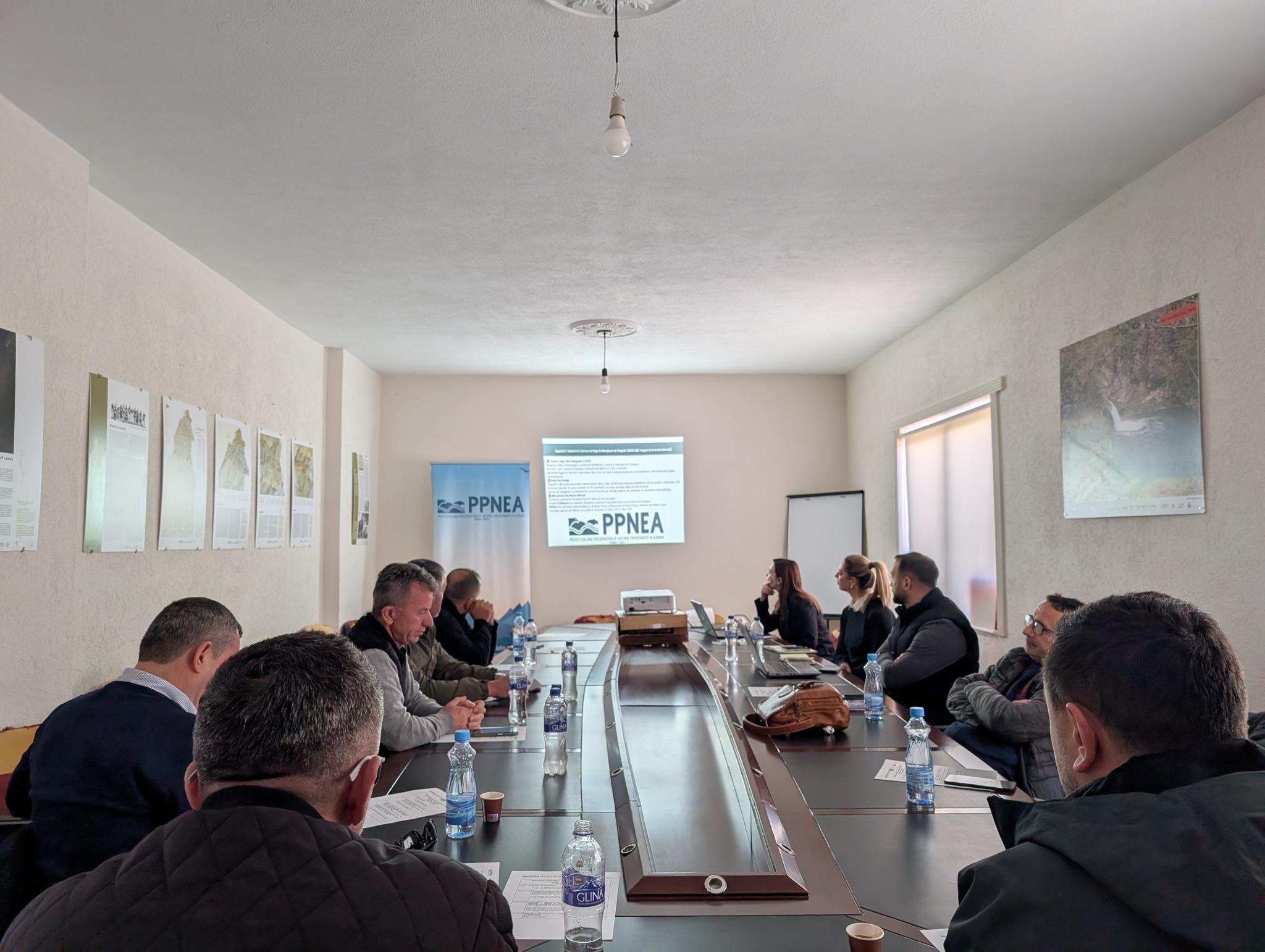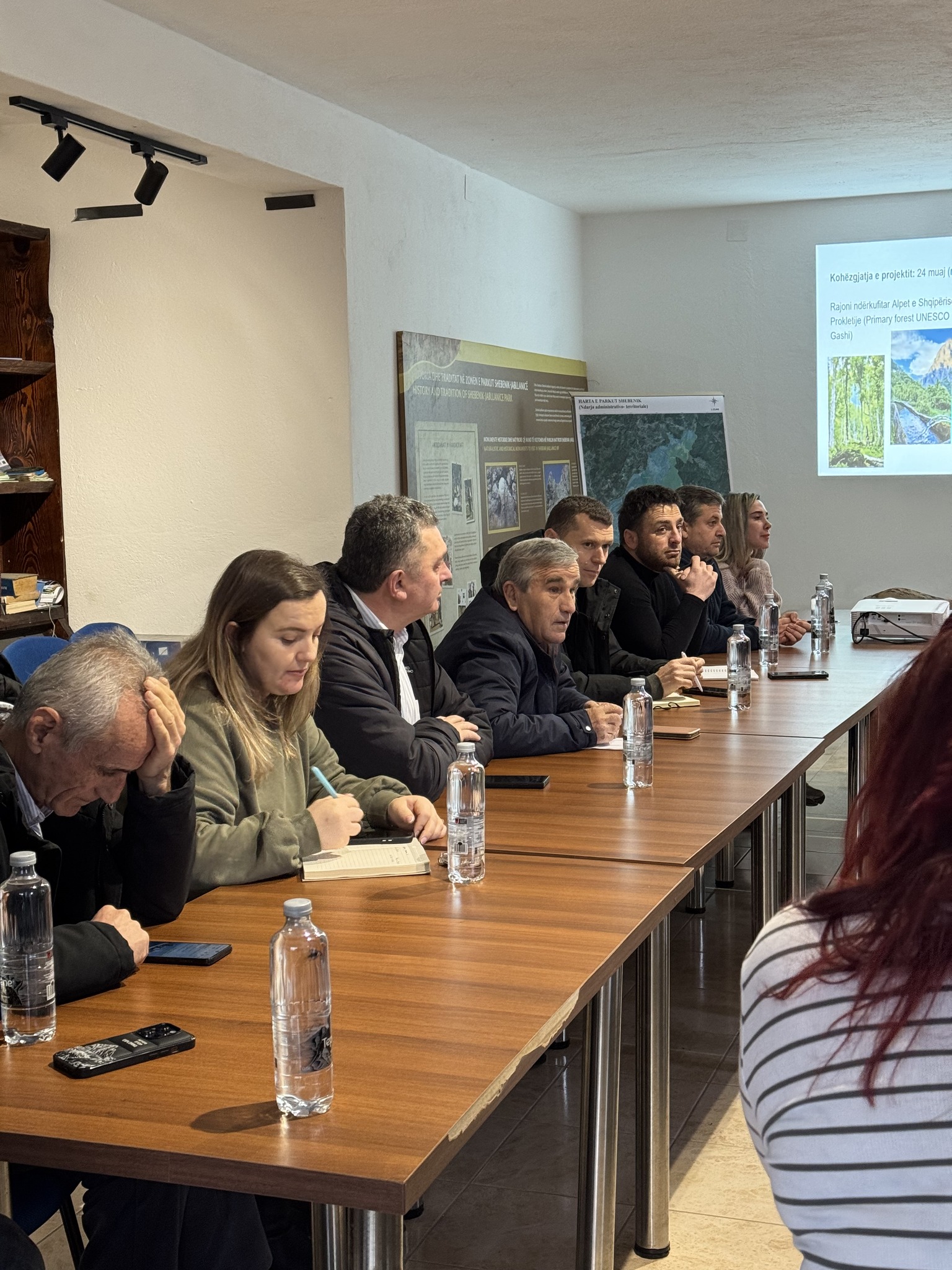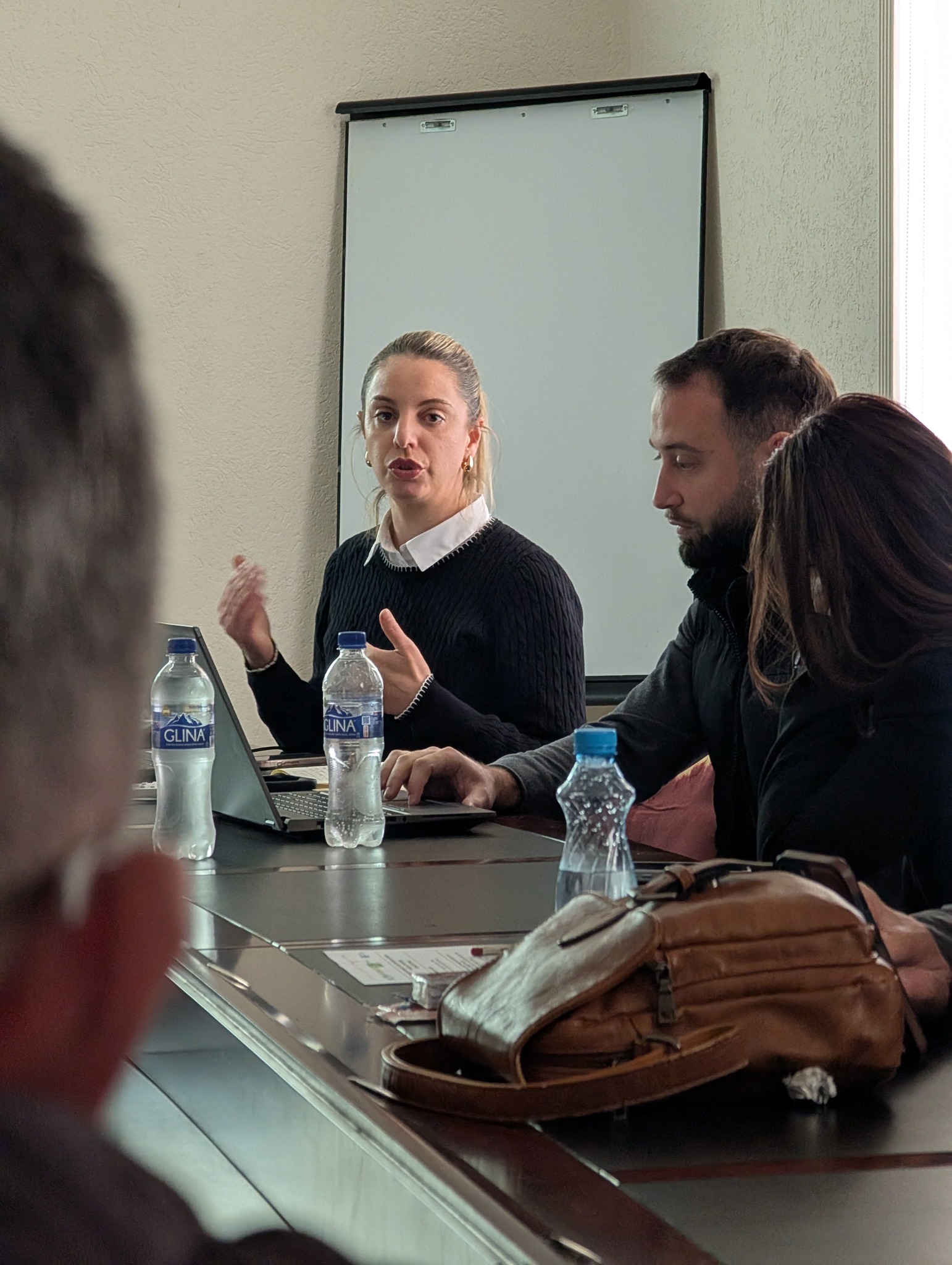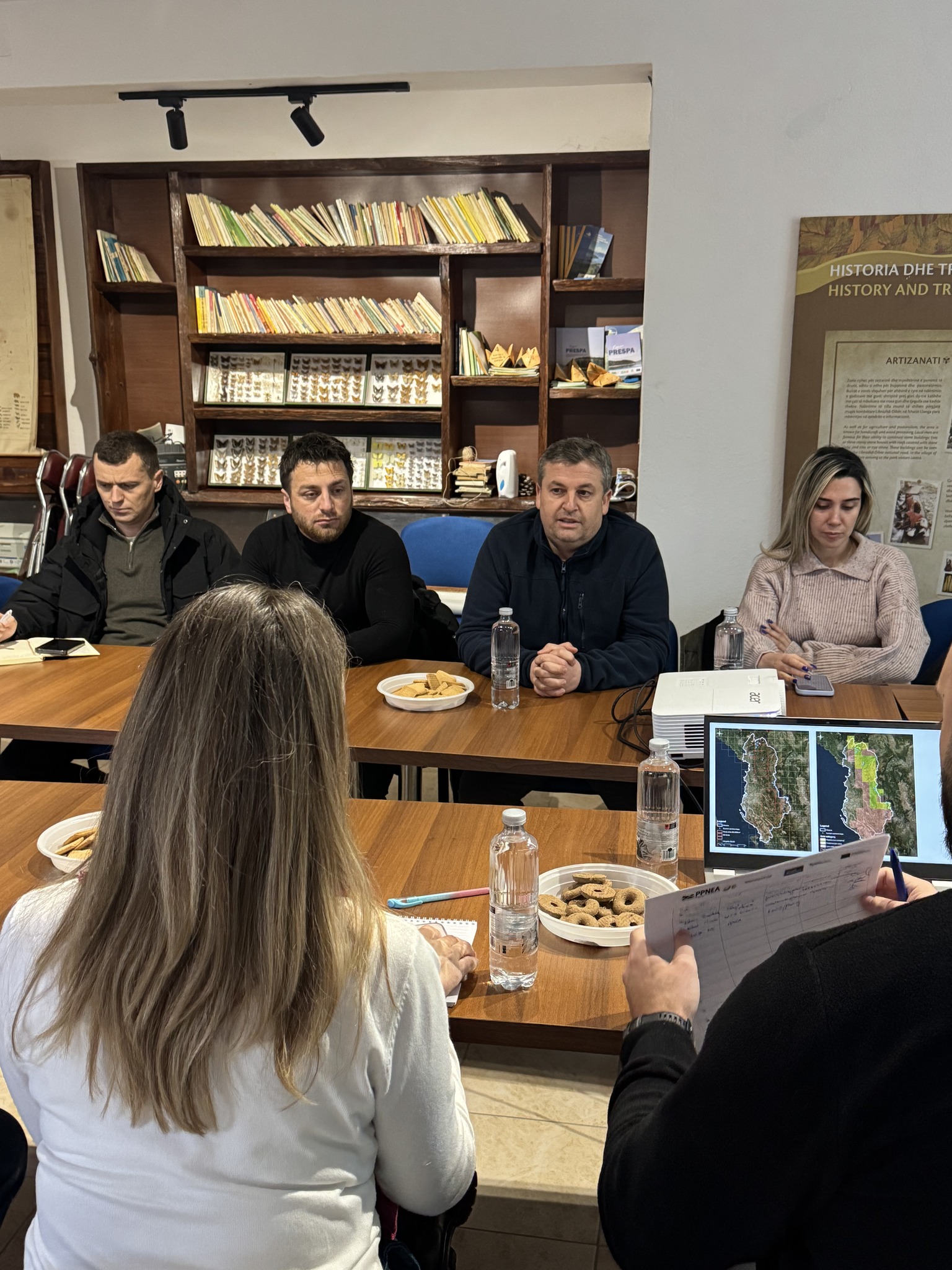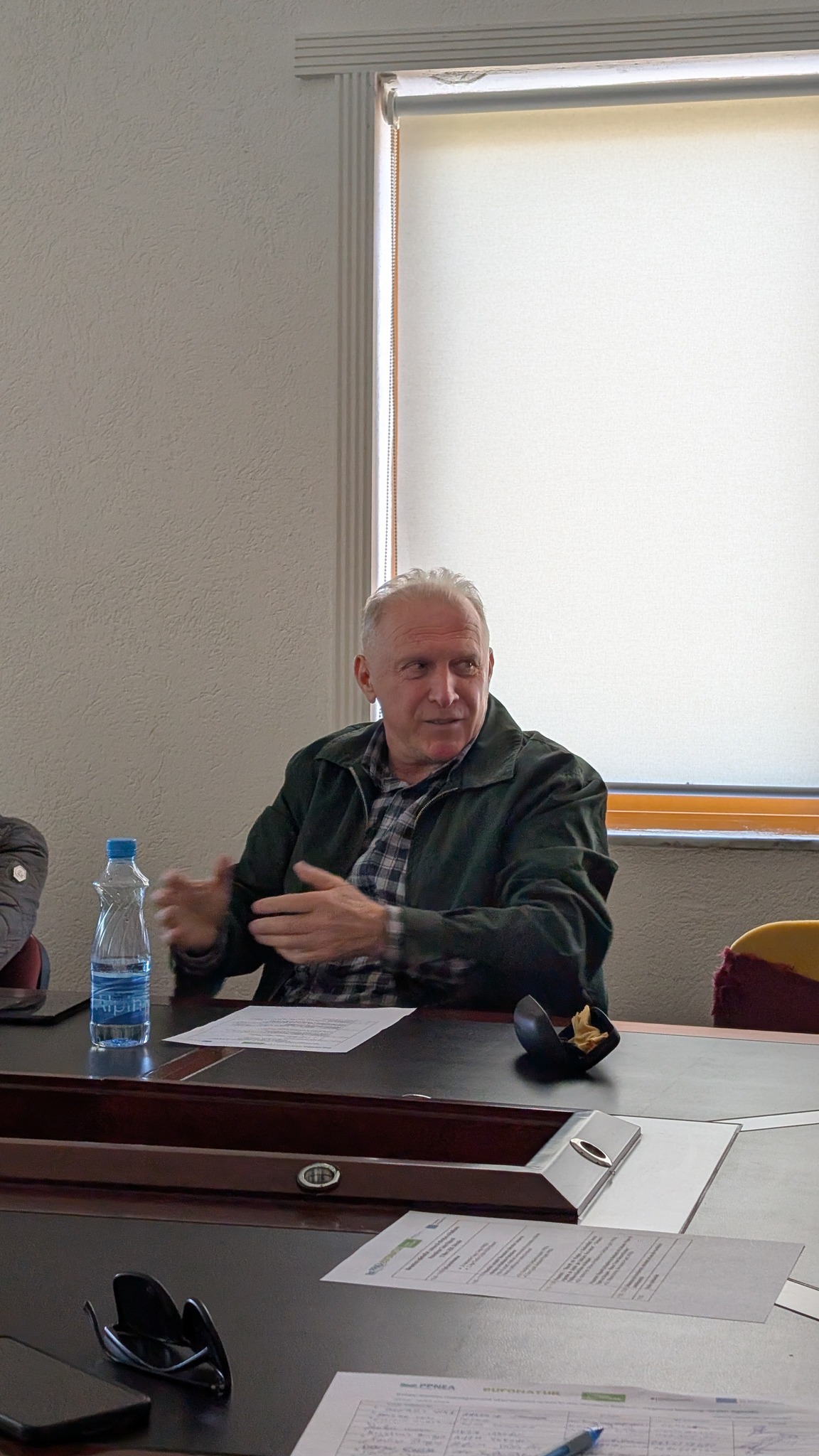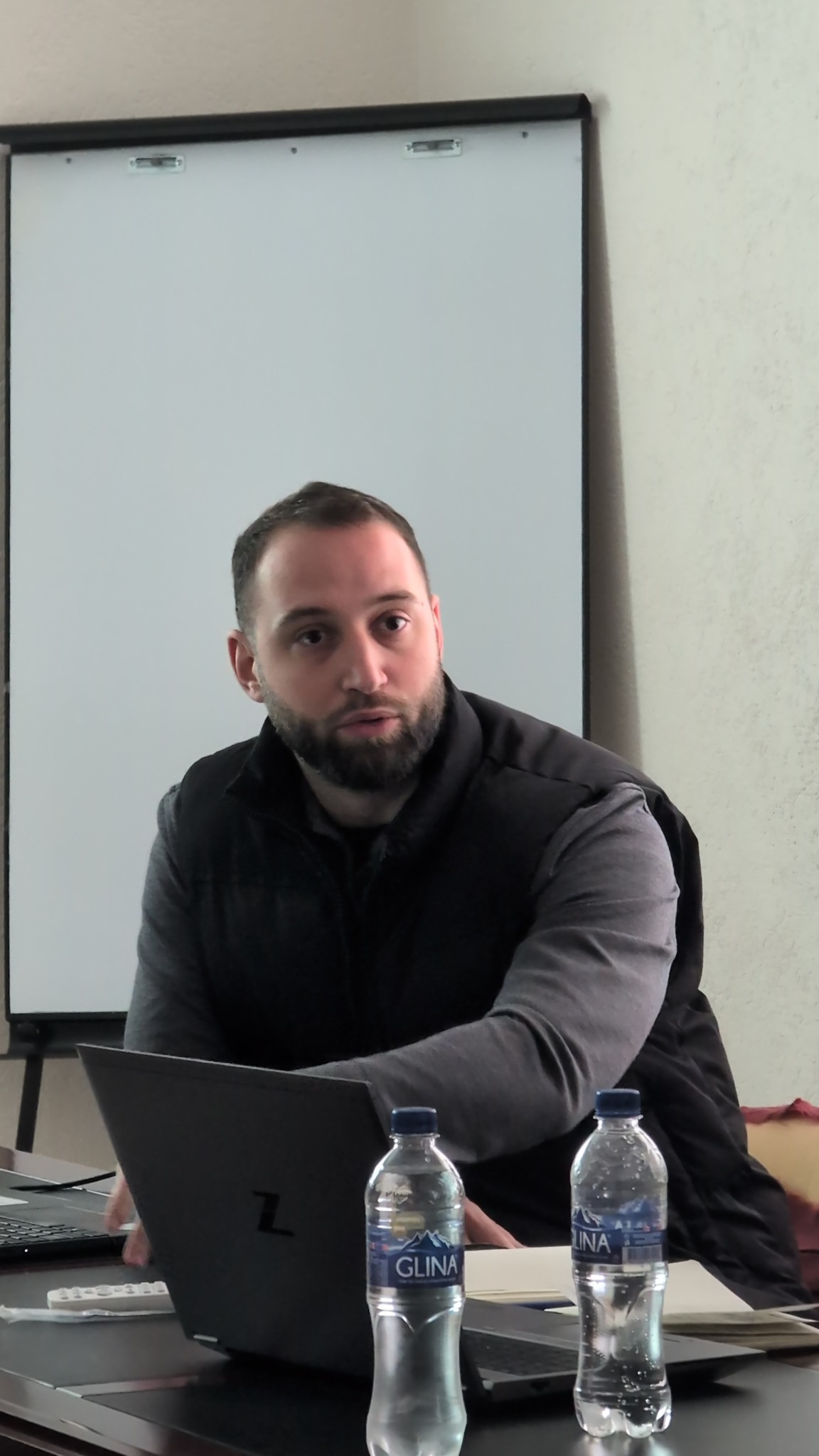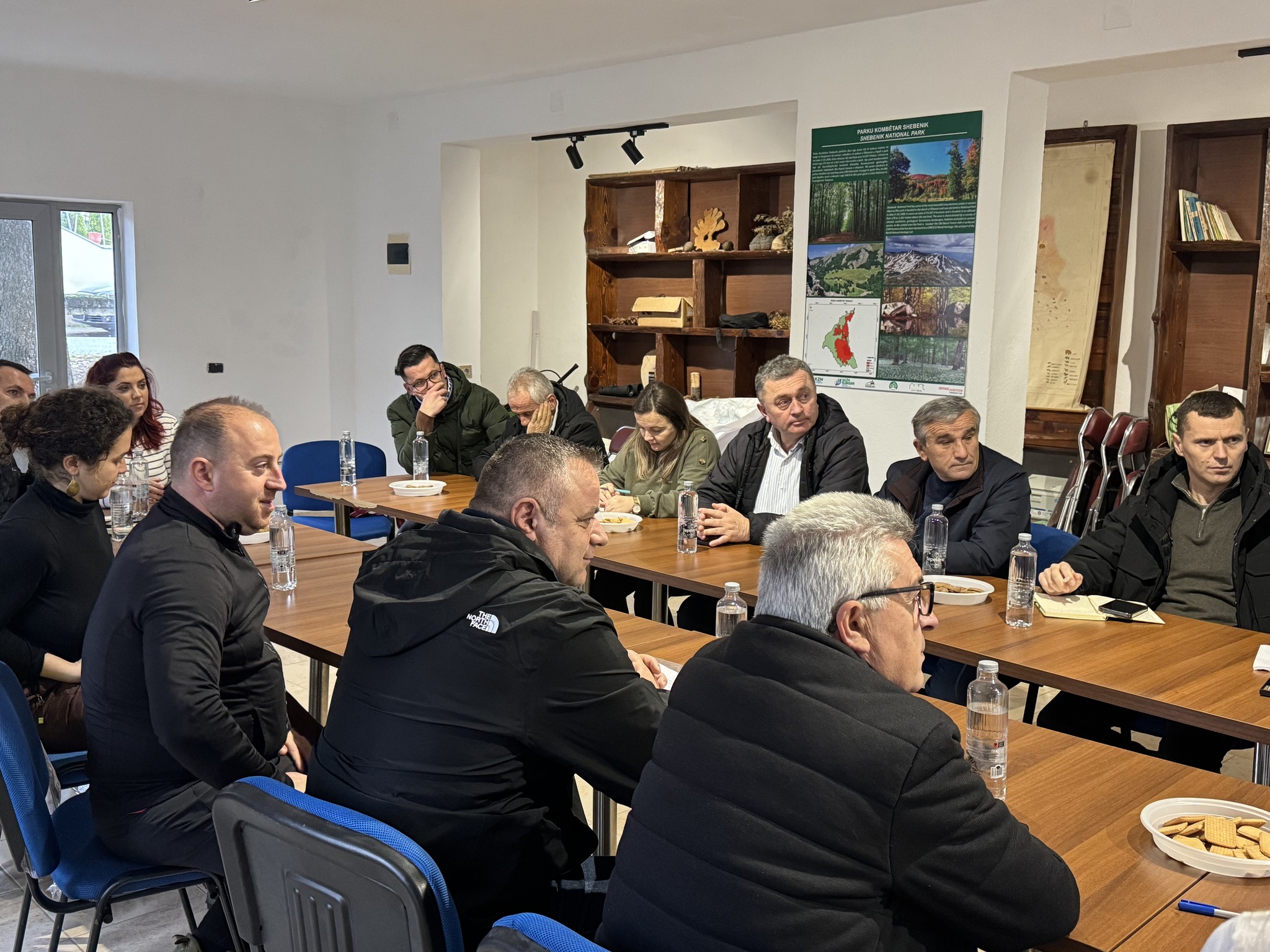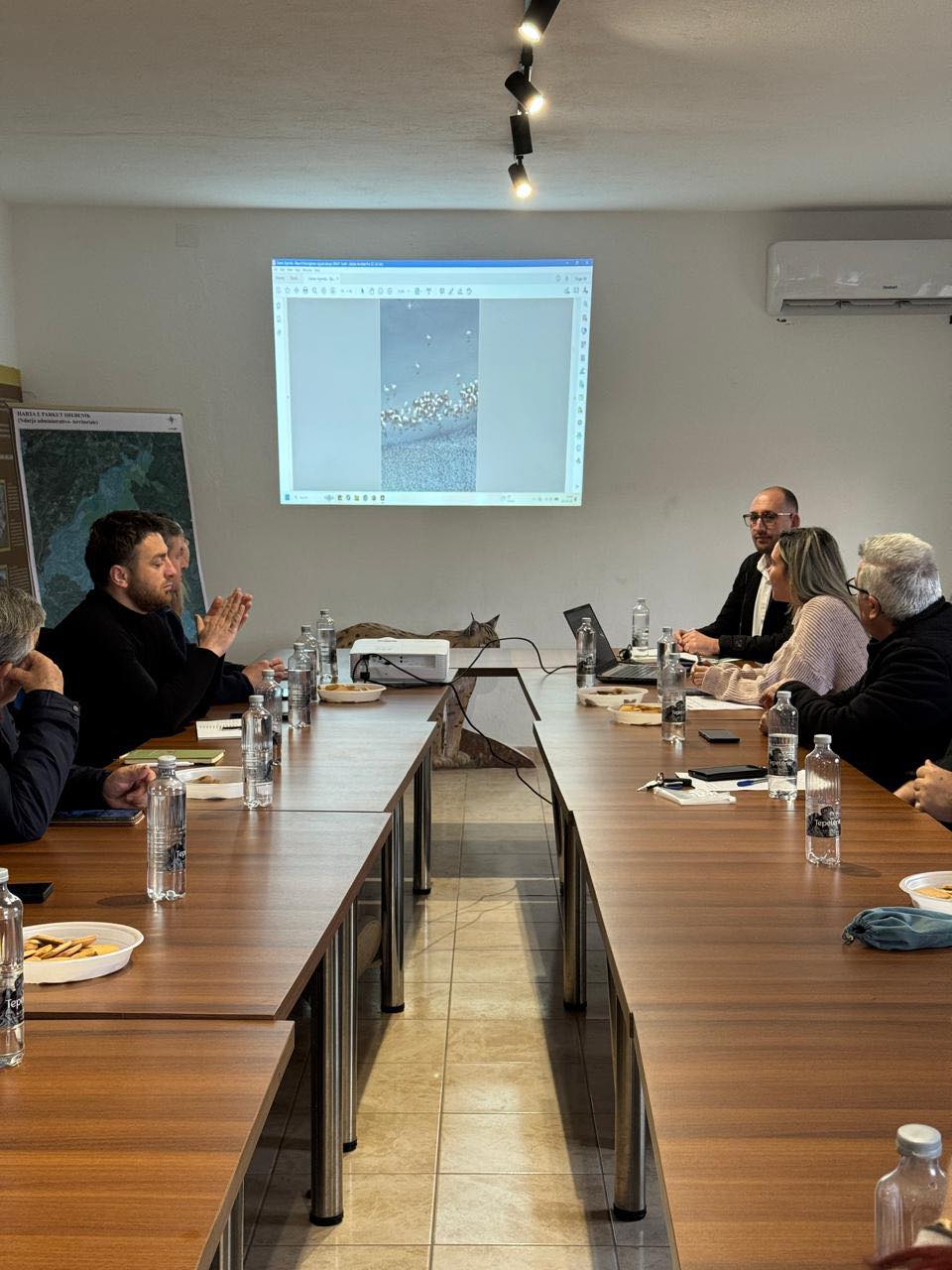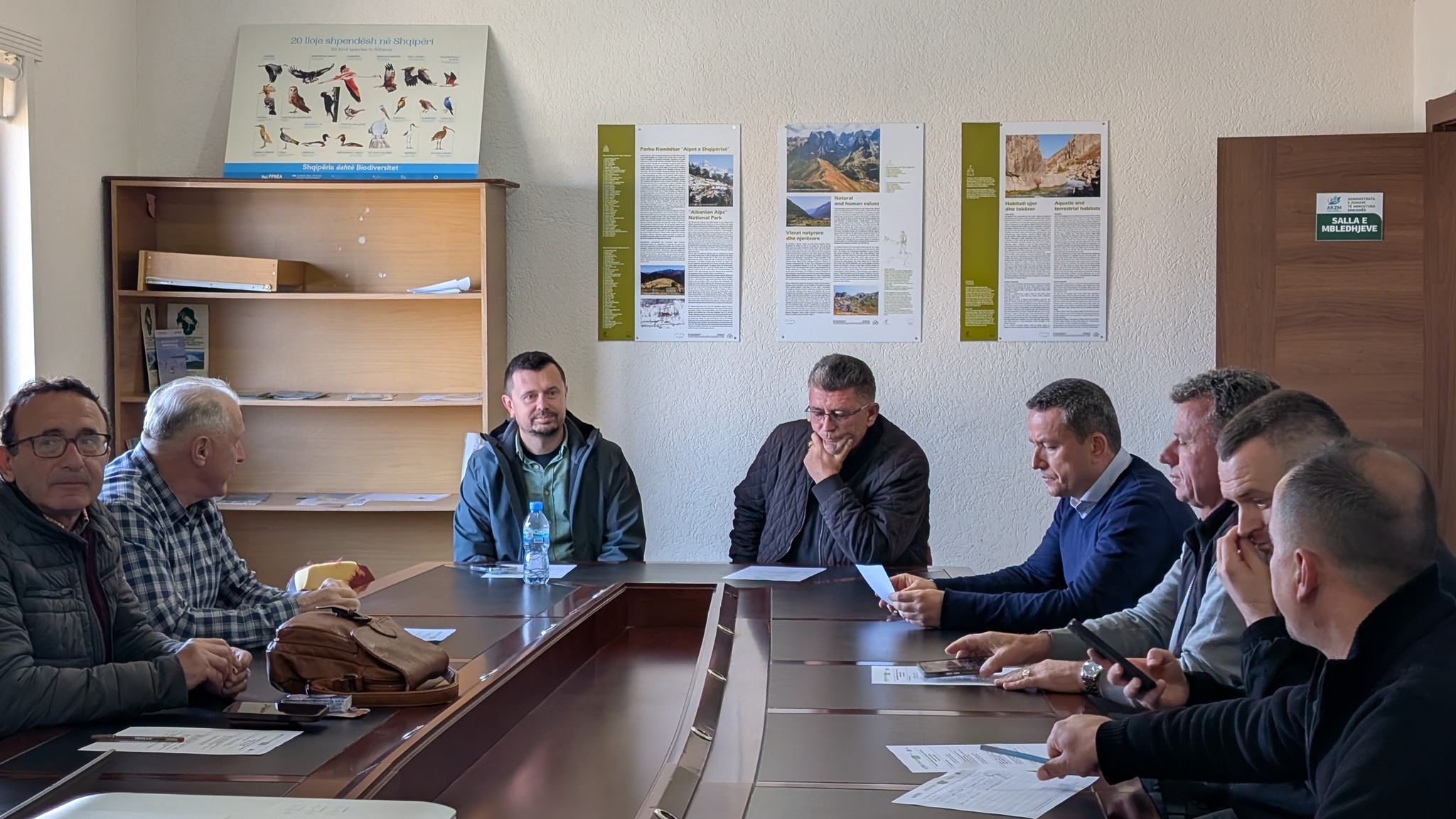

Within the framework of “Transboundary Management of Protected Areas in the Western Balkans” and “Green Agenda Navigator” projects, PPNEA organized two regional meetings in Librazhd and Shkodër, hosted at the premises of RAPA Elbasan and RAPA Shkodër. The meetings brought together representatives from RAPAs, municipal forestry directorates, and local environmental organizations, marking the official launch of the project, which will be implemented in three countries: Albania, North Macedonia, and Montenegro. The project aims to strengthen the protection of biodiversity and ecosystems in the WB, in line with the requirements of the Bern Convention and the Emerald Network, as well as in view of future integration into the Natura 2000 network following EU accession.
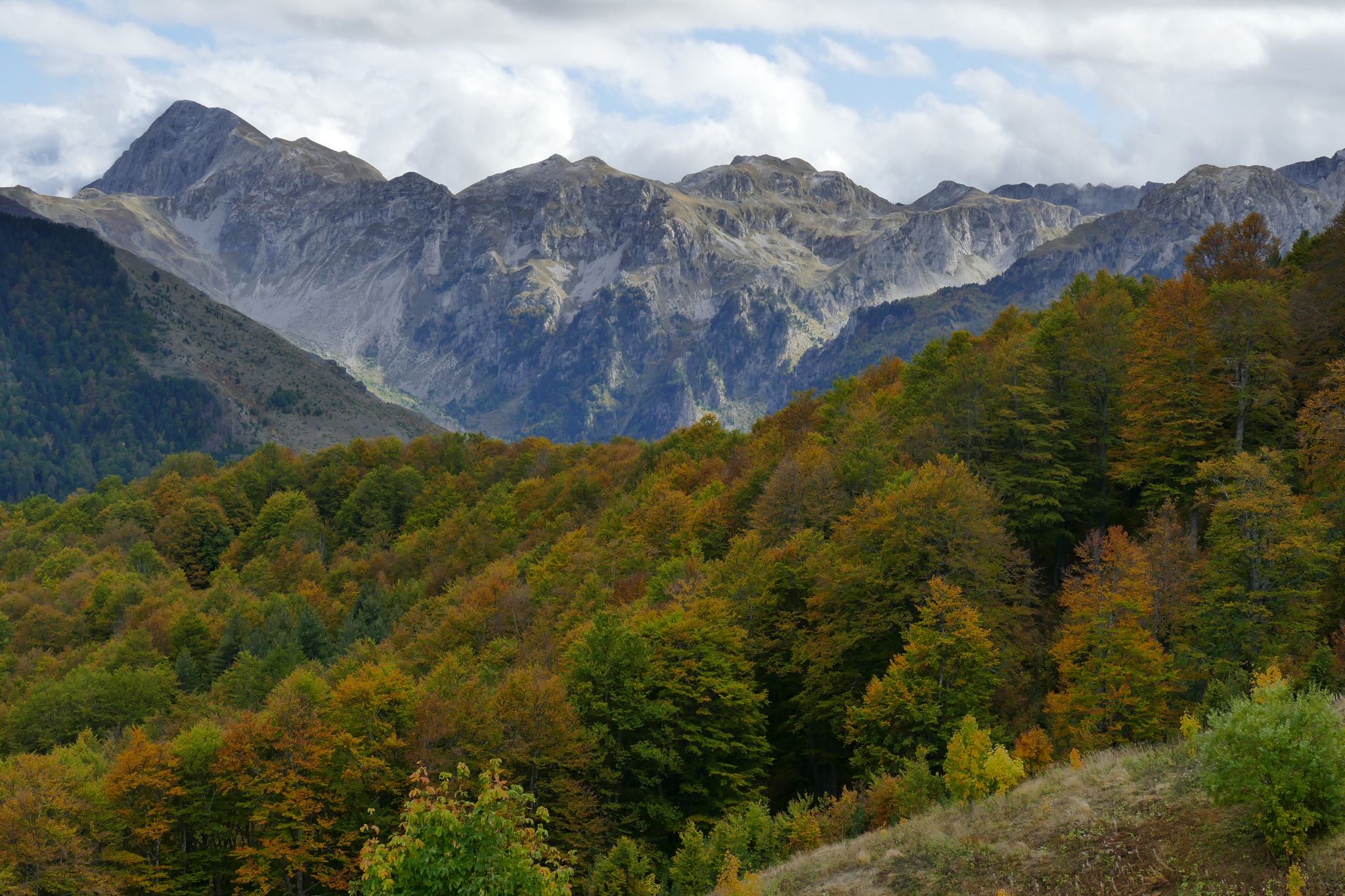
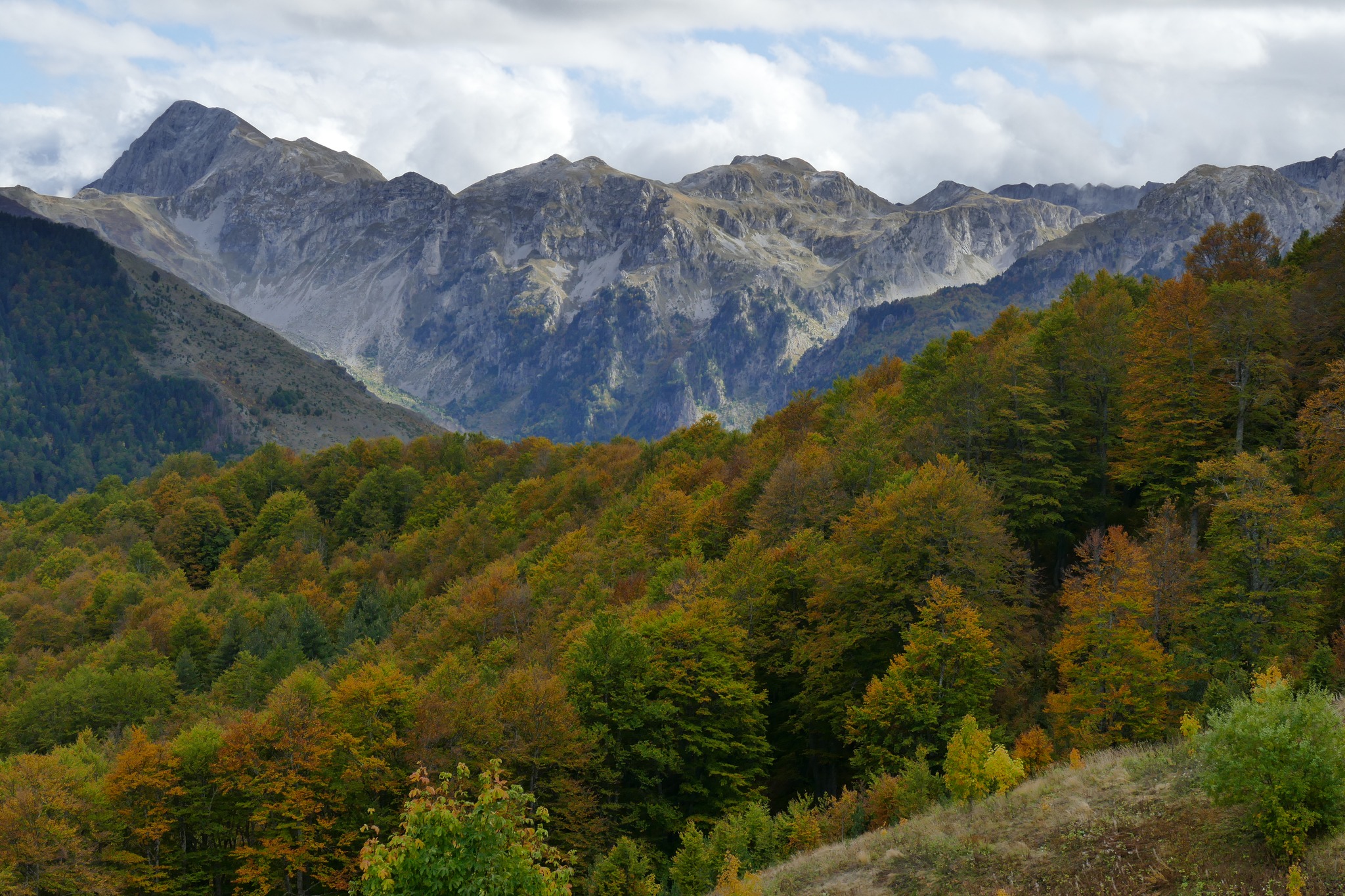
The two pilot areas of the project are: Albania’s Alps NP – Prokletije NP and Shebenik–Jabllanicë NP.
With a duration of 24 months, the project foresees:
– The development of joint protocols and the harmonization of monitoring practices for mammals and forest birds;
– Strengthening the capacities of authorities and civil society organizations for biodiversity monitoring in Emerald and Natura 2000 sites;
-Engagement of stakeholders and reinforcement of the Balkan Green Belt network.
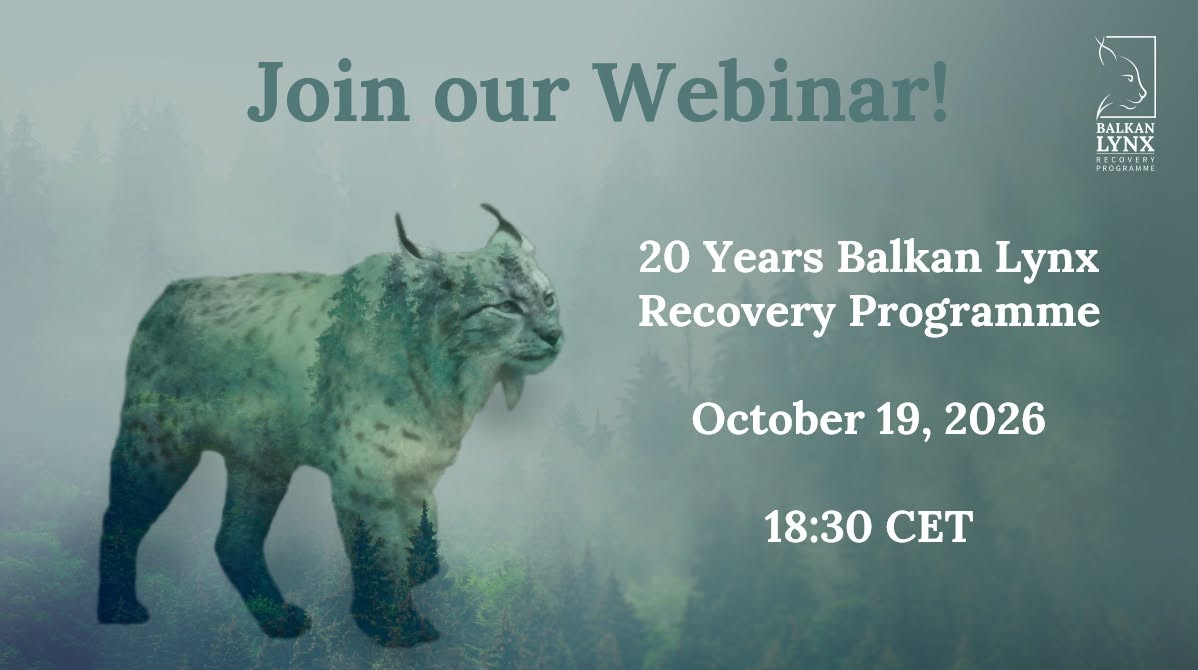
PPNEA presented the project and its components while facilitating discussions on inter-institutional cooperation. Special attention was given to the national monitoring scheme of the Balkan lynx. The initiative “Forests Beyond Borders” was presented, the project aims to study and protect old-growth forests in Albania, with a focus on the Curraj i Epërm area as a key site for ecological connectivity in the country’s northern corridor.
In both meetings, the report “Biodiversity Conservation and Protected Area Management within the Green Agenda for the Western Balkans” was also presented. The report analyzes national policies and Albania’s progress in this field. It is part of the “Green Agenda Navigator” project, supported by the EU and implemented by Belgrade Open School in cooperation with six regional partners: Aarhus Centre Association, Eco-Team, Eco-Z, the Environmental Research and Information Centre Eko-Svest, PPNEA, and CEE Bankwatch Network.
The discussions highlighted several key recommendations for strengthening nature protection:
– Full transposition and implementation of the EU Birds and Habitats Directives;
– Strengthening institutional capacities and coordination among responsible institutions;
– Ensuring legal protection and long-term management of key areas for ecological connectivity and natural corridors.
These meetings represent an important step toward strengthening institutional capacities, enhancing cooperation with local stakeholders, and advancing the objectives of the Green Agenda in Albania.