25 November 2026
PRESS RELEASE
Diving Ducks LIFE: 18 organisations from 14 countries join forces to protect migratory diving ducks and restore vital wetlands
A new six-year international conservation initiative has officially launched to safeguard three globally threatened diving duck species and restore vital wetlands across Europe and Central Asia.
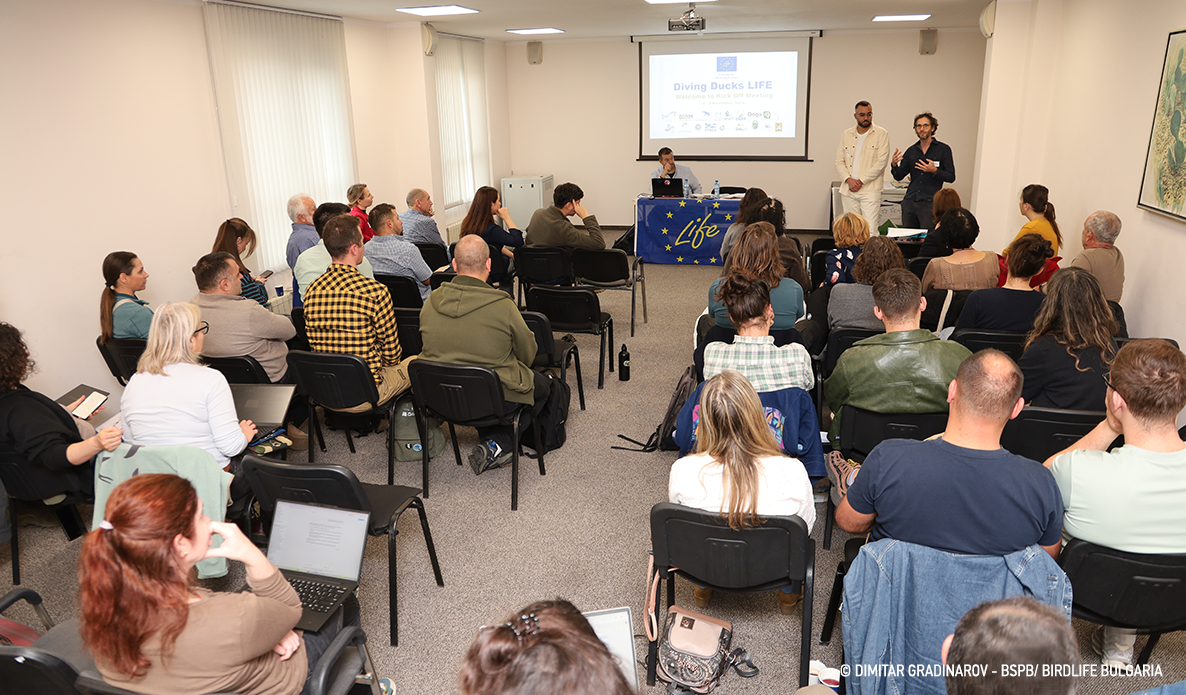
The Diving Ducks LIFE project officially launched with a kick-off meeting held in Sofia, Bulgaria, from 4 to 6 November 2026, bringing together representatives of 18 partner organisations from 14 countries to lay the foundations for six years of coordinated conservation action. The meeting addressed key conservation priorities, habitat restoration, scientific monitoring and the implementation of the project’s first-year activities, while an official public event on 4 November marked the launch of the initiative.
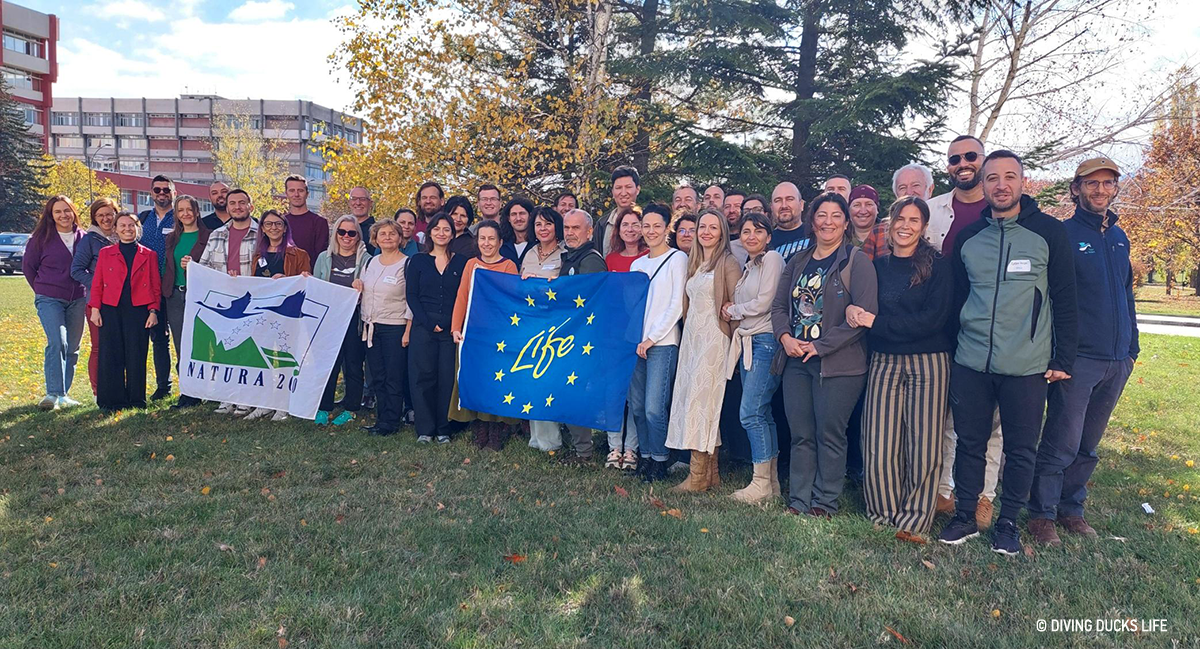
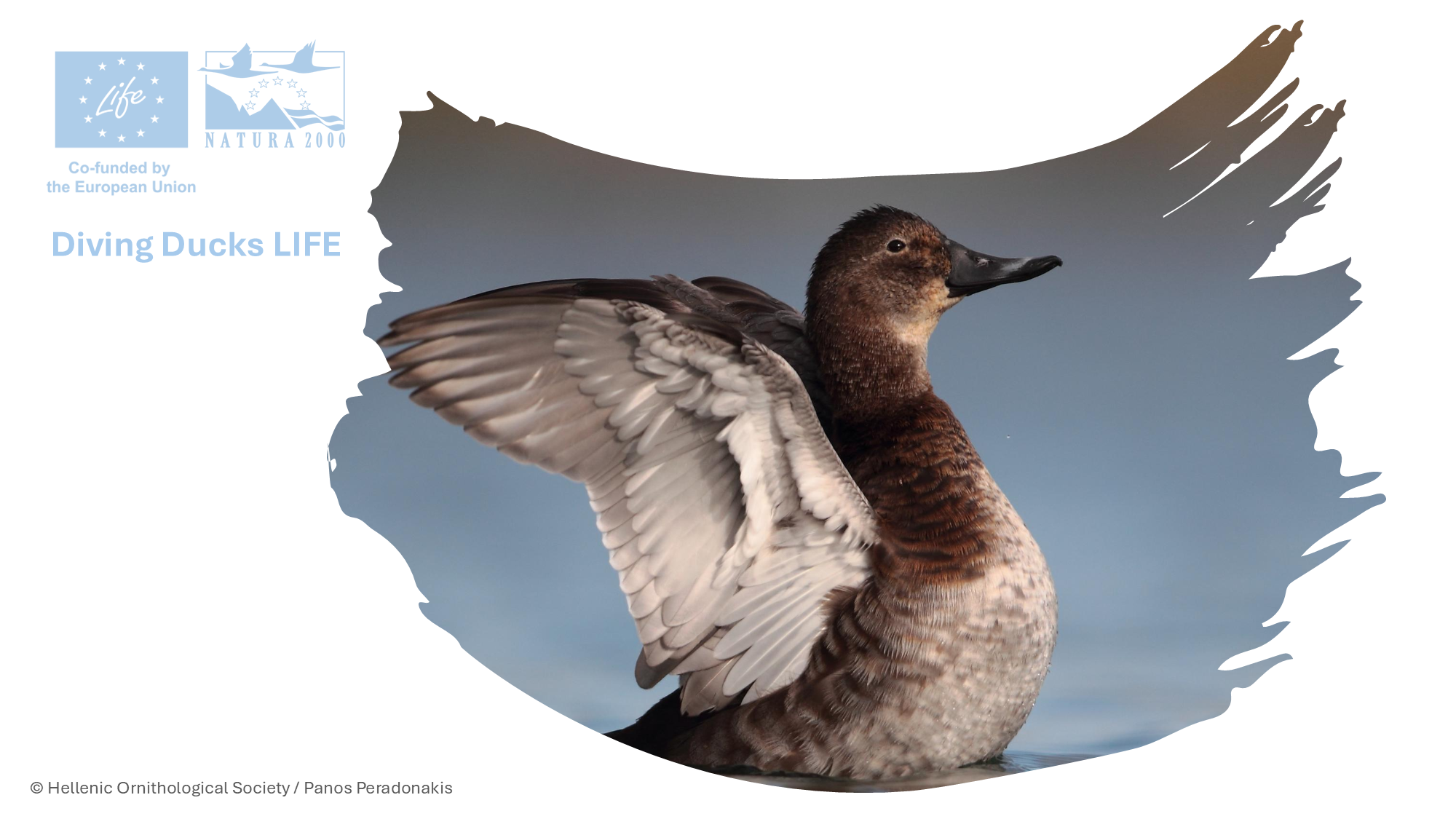
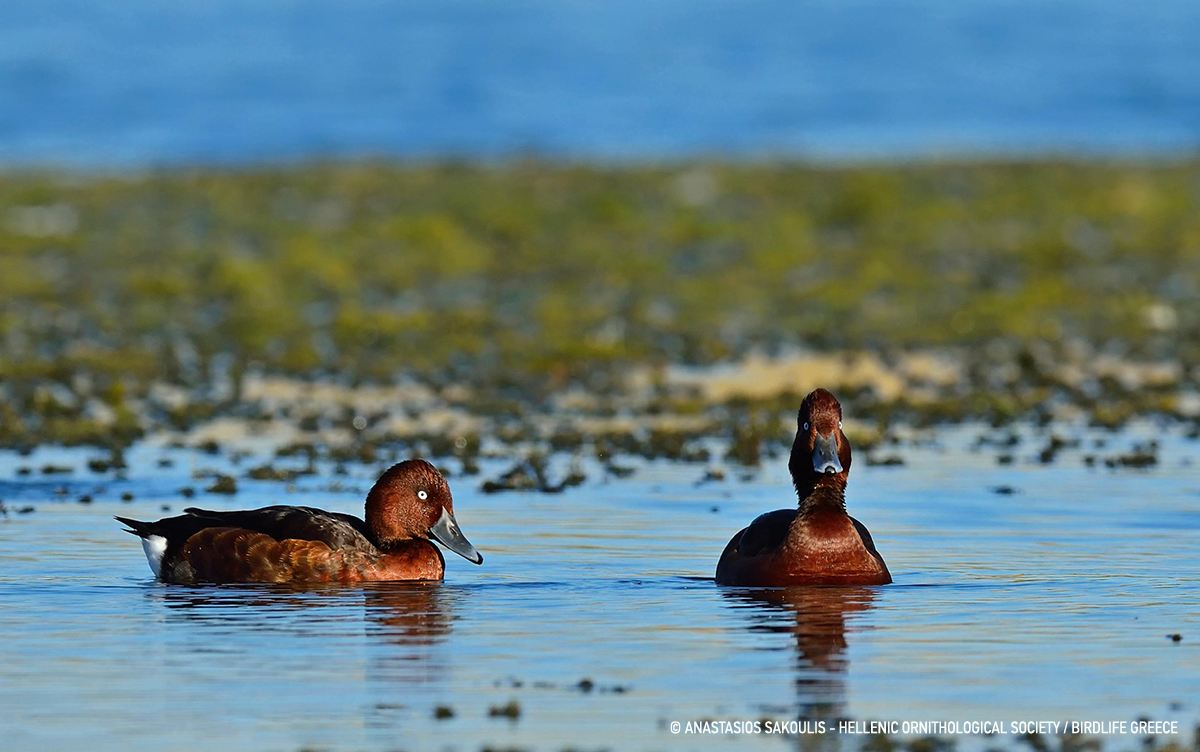
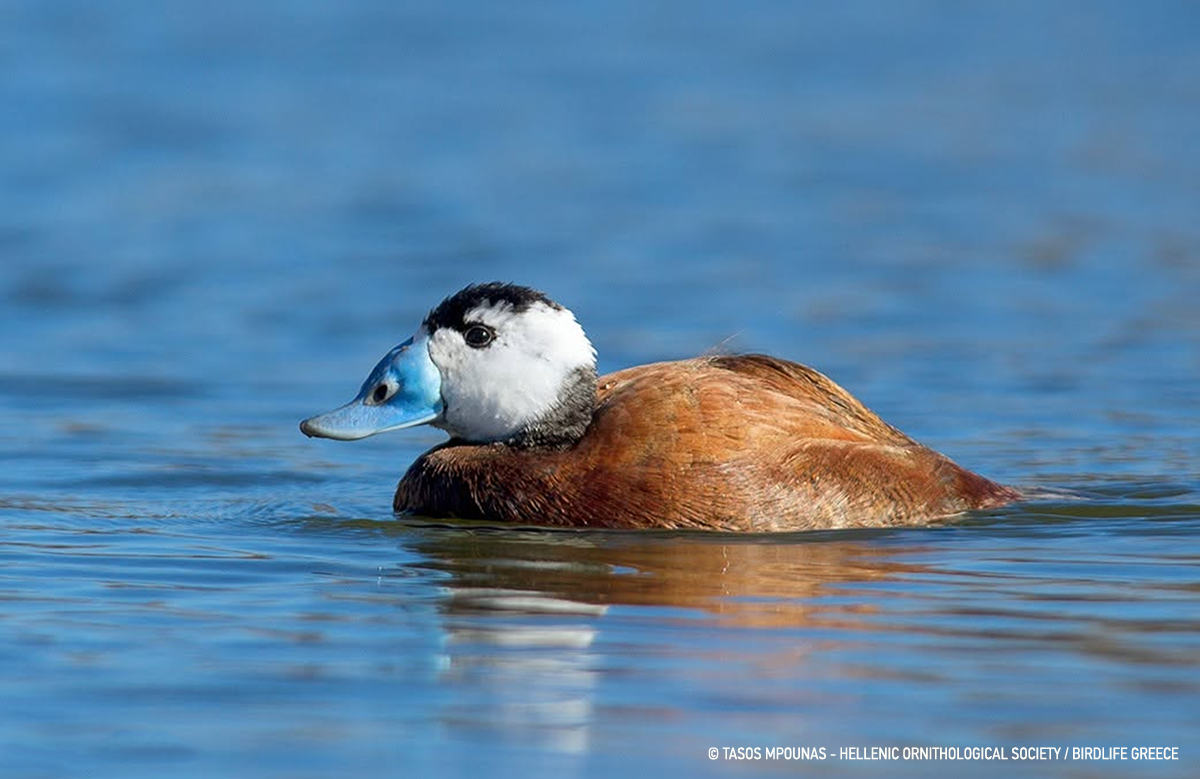
Coordinated by the Bulgarian Society for the Protection of Birds (BSPB/BirdLife Bulgaria), Diving Ducks LIFE is the first holistic, flyway-scale initiative dedicated to reversing the decline of three globally threatened migratory species: the White-headed Duck (Oxyura leucocephala), Ferruginous Duck (Aythya nyroca) and Common Pochard (Aythya ferina). Focusing on the Black Sea–Mediterranean Flyway, the project tackles major threats including habitat degradation, illegal killing, bycatch in fishing gear, lead poisoning and human disturbance.
Over its six-year duration (2026–2032), the project aims to restore and rehabilitate more than 20,600 hectares of priority wetlands and improve safety across 217,000 hectares of important breeding, staging and wintering habitats. Conservation measures will target a 50% reduction in bycatch, poaching incidents and disturbance at key sites, while climate-smart restoration will strengthen wetland resilience.
The partnership brings together organisations from Bulgaria, Greece, Croatia, Romania, Kazakhstan, North Macedonia, Albania, Serbia, Montenegro, Turkey, Uzbekistan, France and the United Kingdom, with strategic cooperation extending to other countries along the flyway, including Azerbaijan.
“The decline of threatened diving ducks is a clear reminder that wetland conservation cannot stop at national borders. Their survival depends on the condition of wetlands across entire flyways, and this requires countries and organisations to work together, share expertise and take coordinated action. Through Diving Ducks LIFE, we have brought together an exceptional international partnership with the ambition of not only reversing the decline of the White-headed Duck, the Ferruginous Duck and the Common Pochard, but also restoring the wetlands they depend on. Our challenge over the next six years is to turn this shared commitment into tangible, lasting conservation results – for these species, for wetland biodiversity and for the people who depend on healthy wetland ecosystems,” said Dr Nikolai Petkov of the Bulgarian Society for the Protection of Birds (BSPB/BirdLife Bulgaria), the coordinating organisation of Diving Ducks LIFE.
The countries involved encompass key habitats supporting more than 90% of the White-headed Duck’s Eastern Flyway wintering population and over 60% of the EU’s breeding Ferruginous Ducks, as well as major concentrations of Common Pochards.
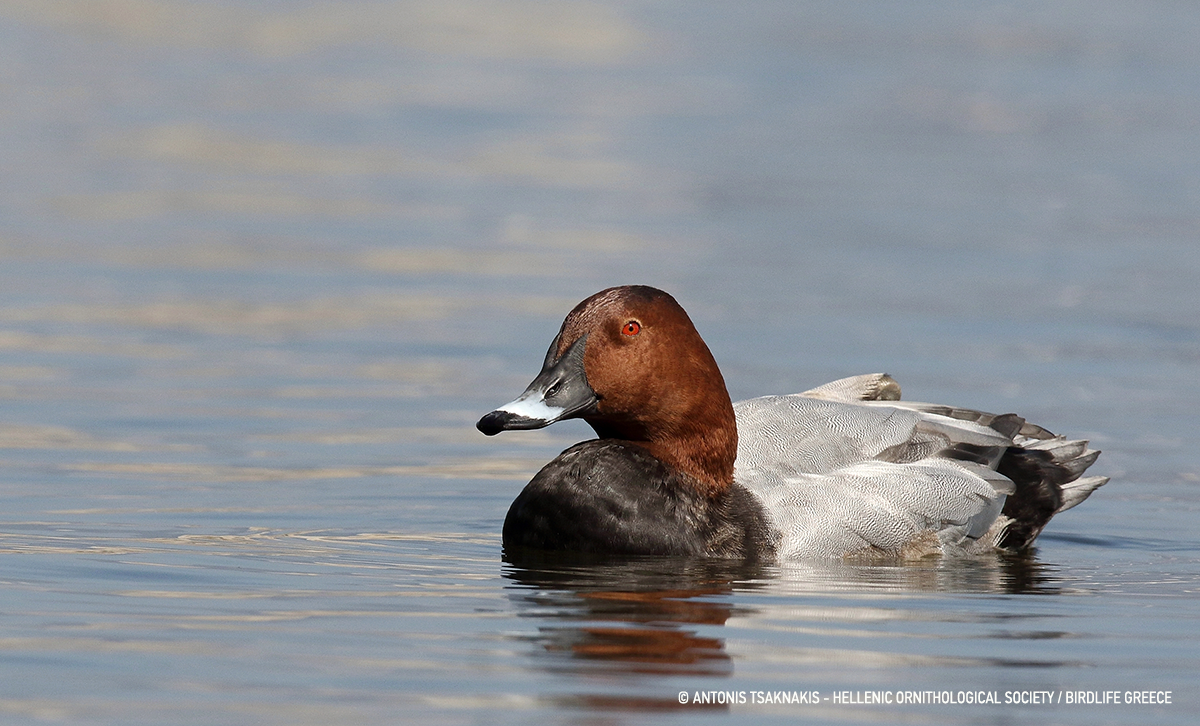
As umbrella species for wetland biodiversity, diving ducks can help drive conservation efforts that benefit other waterbirds, wildlife and entire ecosystems. Beyond species protection, Diving Ducks LIFE will engage local communities and stakeholders, promote public awareness and support healthy wetlands that provide essential benefits to people, including water retention, flood mitigation and opportunities for nature-based tourism.
Contributing to the EU Birds and Habitats Directives, the Nature Restoration Law and the EU Biodiversity Strategy for 2030, Diving Ducks LIFE demonstrates how international cooperation can deliver lasting conservation results across borders.
Through six years of joint action, the project aims to secure a better future for migratory diving ducks and the wetlands they depend on. For the benefit of wildlife and people alike.
“We are proud to join this international partnership to protect diving ducks along their flyway. In Albania, we will focus on the Shkodra area: removing ghost nets from Lake Shkodra, establishing fishing zones together with the authorities, stepping up patrols against poaching and planning the restoration of a former fishpond area as a safe breeding site for the Ferruginous Duck and the Common Pochard. Above all, we want local communities to be part of the solution,” says Aleksandër Trajçe, Executive Director of PPNEA.
About Diving Ducks LIFE
Conservation of Globally Threatened Diving Ducks Across Their Flyway
Project acronym: LIFE25-NAT-BG-Diving Ducks LIFE Duration: 1 September 2026 – 31 August 2032 Coordinating beneficiary: Bulgarian Society for the Protection of Birds (BSPB/BirdLife Bulgaria) Partnership: 18 organisations from 14 countries
Project partners: Bulgarian Society for the Protection of Birds (BSPB), Hellenic Ornithological Society (HOS/BirdLife Greece), Green Fund (Greece), BIOM/BirdLife Croatia, Kopački Rit Nature Park Directorate (Croatia), Romanian Ornithological Society (SOR), Danube Delta Biosphere Reserve Authority (Romania), Association for the Conservation of Biodiversity of Kazakhstan (ACBK), Macedonian Ecological Society (MES), Protection and Preservation of Natural Environment in Albania (PPNEA), Bird Protection and Study Society of Serbia (BPSSS), Center for Study and Protection of Birds (CZIP, Montenegro), Doğa Derneği/BirdLife Turkey, Nature Research Society (DAD, Turkey), Central Asian University of Environmental and Climate Change Studies – Green University (Uzbekistan), OSME – The Ornithological Society of the Middle East, Tour du Valat (France) and Wildfowl & Wetlands Trust (WWT, UK).
Funding: The project is co-funded by the LIFE Programme of the European Union and the Green Fund.
–
Media contact: Lorena Pyze Xhafaj | [email protected]