
International project to secure a safer flyway and restore the Egyptian Vulture in the Balkans
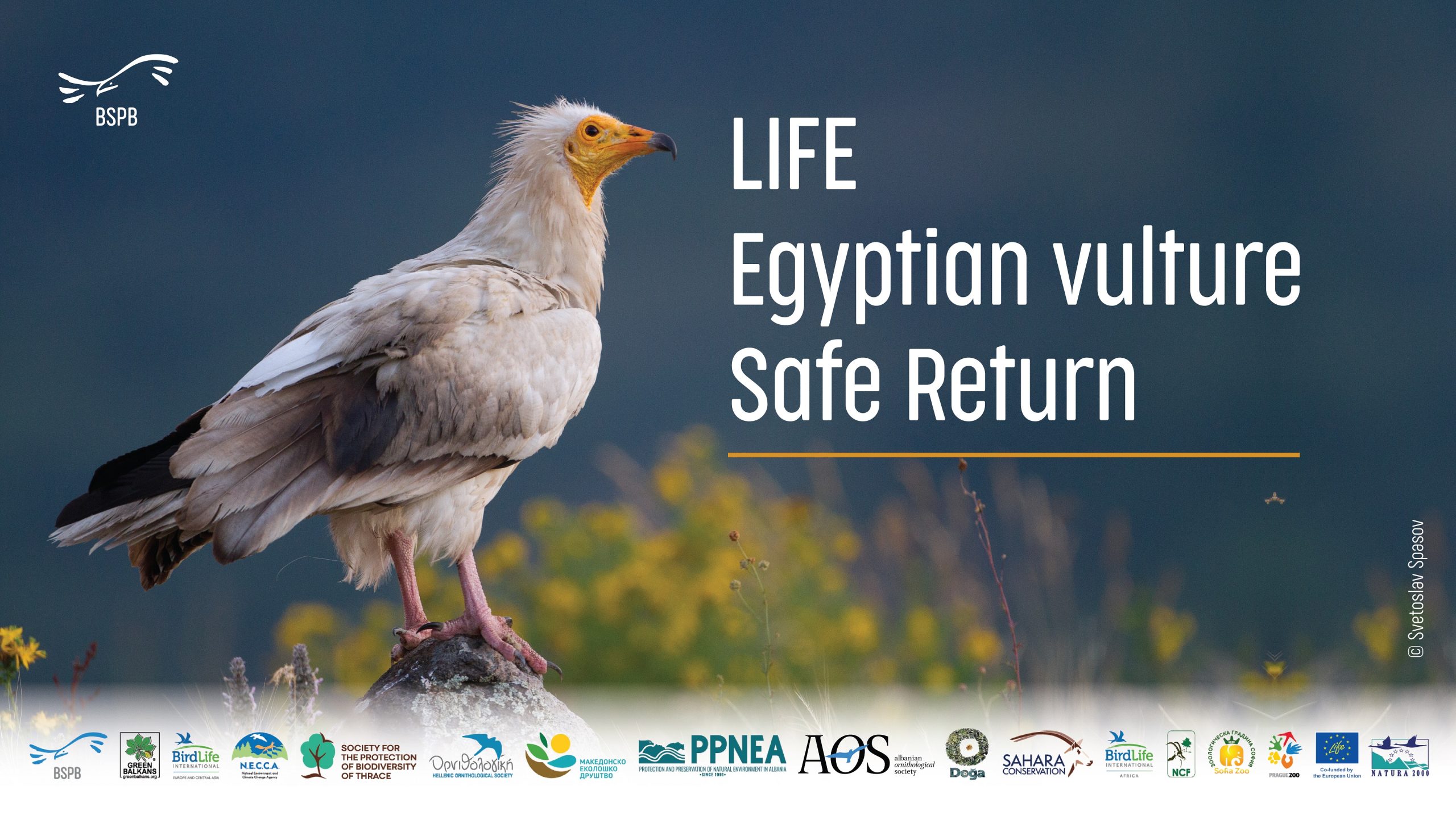
On World Migratory Bird Day, 10 October, the Bulgarian Society for the Protection of Birds (BSPB/BirdLife Bulgaria) announces the launch of LIFE EV Safe Return, an international project co-funded by the European Union’s LIFE Programme. Bringing together 15 institutions and organisations from Europe, the Middle East and Africa, the project will advance the recovery of one of Europe’s most threatened birds of prey by strengthening protection across its breeding grounds, migration routes and wintering areas.
Every autumn, Egyptian Vultures leave the Balkan Peninsula and travel more than 5,000 kilometres to their wintering grounds in Africa. Their journey across three continents exposes them to numerous threats. Illegal poisoned baits, poaching and electrocution on unsafe power poles are among the main threats to the species. In parts of Africa, vultures are also persecuted for use in practices associated with traditional beliefs. A bird protected at its nest may still die thousands of kilometres away. Its survival therefore depends on coordinated conservation actions throughout its flyway.
The Egyptian Vulture can serve as an umbrella species for flyway conservation: measures to reduce poisoning, make power infrastructure safer and tackle illegal killing can also benefit many other migratory birds that follow the same routes and face similar threats. Securing its safe passage will help create a safer flyway for a much wider range of species.
Once widespread across the Balkans, the Egyptian Vulture has disappeared as a breeding species from several countries in the region. Today, only around 50 breeding pairs remain across Bulgaria, Greece, North Macedonia and Albania. After more than three decades of decline, the Balkan population has shown signs of stabilisation in recent years, while numbers in Bulgaria have begun to increase. This progress reflects sustained collaboration between conservation organisations, institutions and local communities. It offers hope, but with such a small population, the loss of any bird can slow recovery.
LIFE EV Safe Return is the next step in a long-term conservation programme for the species. Running until 2031, it will build on successful conservation measures, extend their geographical scope and introduce innovative approaches. It also carries forward the achievements of the Egyptian Vulture New LIFE project, which received the LIFE Citizens’ Prize at the 2026 LIFE Awards.
“The first signs of recovery show that our efforts are making a difference. We must now secure this progress and turn it into a lasting trend. For a bird travelling more than 5,000 kilometres between the Balkans and Africa, this means tackling threats along its entire migration route. International cooperation is essential: protecting birds in one country must be matched by action in the countries they cross and where they spend the winter. For the first time within our conservation programme, targeted action will be undertaken in Chad, one of the species’ key wintering countries. Our international team will focus on three priorities: reducing threats that cause mortality, reinforcing the wild population through releases of captive-bred and rescued birds, and actively involving local authorities and communities,” says Dr Volen Arkumarev from BSPB, the project manager.
The project will work to prevent wildlife poisoning, reduce electrocution risk in Ethiopia and Greece, tackle poaching, provide safe food and ensure rapid responses to incidents. In Africa, particular attention will be given to engagement with community leaders and traditional medicine practitioners to reduce belief-based persecution of vultures. Connecting conservation teams across countries will strengthen their ability to identify threats and protect birds throughout their annual cycle.
In Bulgaria and Greece, at least 40 Egyptian Vultures bred in European zoos or rescued from the wild will be released into the wild. GPS transmitters will enable conservation teams to follow their movements across borders, identify mortality hotspots and respond when necessary.
The Egyptian Vulture’s long-term recovery also depends on the local communities. The project will work with livestock farmers, hunters, rangers, veterinarians, teachers and local authorities to prevent threats, provide safe food and protect breeding areas. Education programmes in five countries will engage more than 4,000 pupils, teachers and young conservationists, introducing them to the species and providing opportunities to contribute to its protection.
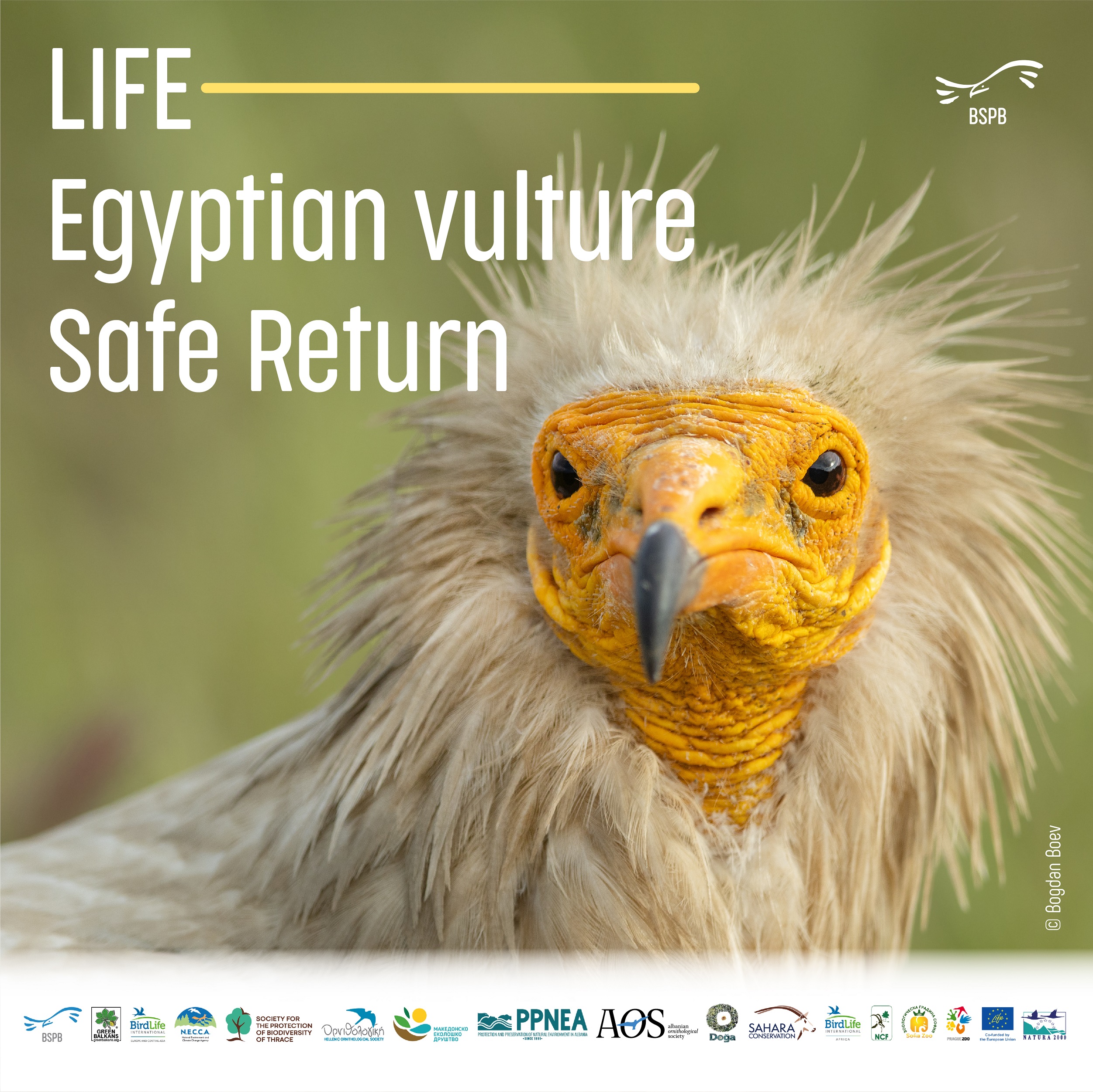
With its white plumage and bright yellow face, the Egyptian Vulture has an unmistakable appearance. As a natural scavenger, it also plays an important ecological role by feeding on the remains of dead animals. For centuries, the species has featured in myths, beliefs and traditions across its range. Revered as sacred in Ancient Egypt, it also has a place in Bulgarian folklore while Turkish-speaking communities call it “akbaba”, associated with the meaning “white father”. In Greece and Albania, it is known as the “cuckoo’s horse” and is believed to carry spring on its wings. Protecting the Egyptian Vulture therefore means preserving both an essential part of nature and a living connection to our shared cultural heritage. By bringing together people and organisations across three continents, LIFE EV Safe Return will work to ensure that this remarkable bird can continue its journeys and return safely to the Balkans.
About the project
LIFE EV Safe Return is coordinated by the Bulgarian Society for the Protection of Birds (BSPB/BirdLife Bulgaria), in partnership with Green Balkans, BirdLife Europe and Central Asia, the Natural Environment and Climate Change Agency (NECCA), the Society for the Protection of Birds of Thrace (SPBT), the Hellenic Ornithological Society (HOS), the Macedonian Ecological Society (MES), Protection and Preservation of Natural Environment in Albania (PPNEA), the Albanian Ornithological Society (AOS), DOĞA (Türkiye), Sahara Conservation (SCF), BirdLife Africa and the Nigerian Conservation Foundation (NCF). Sofia Zoo and Prague Zoo are associated partners. The project is co-funded by the European Union’s LIFE Programme.
About World Migratory Bird Day
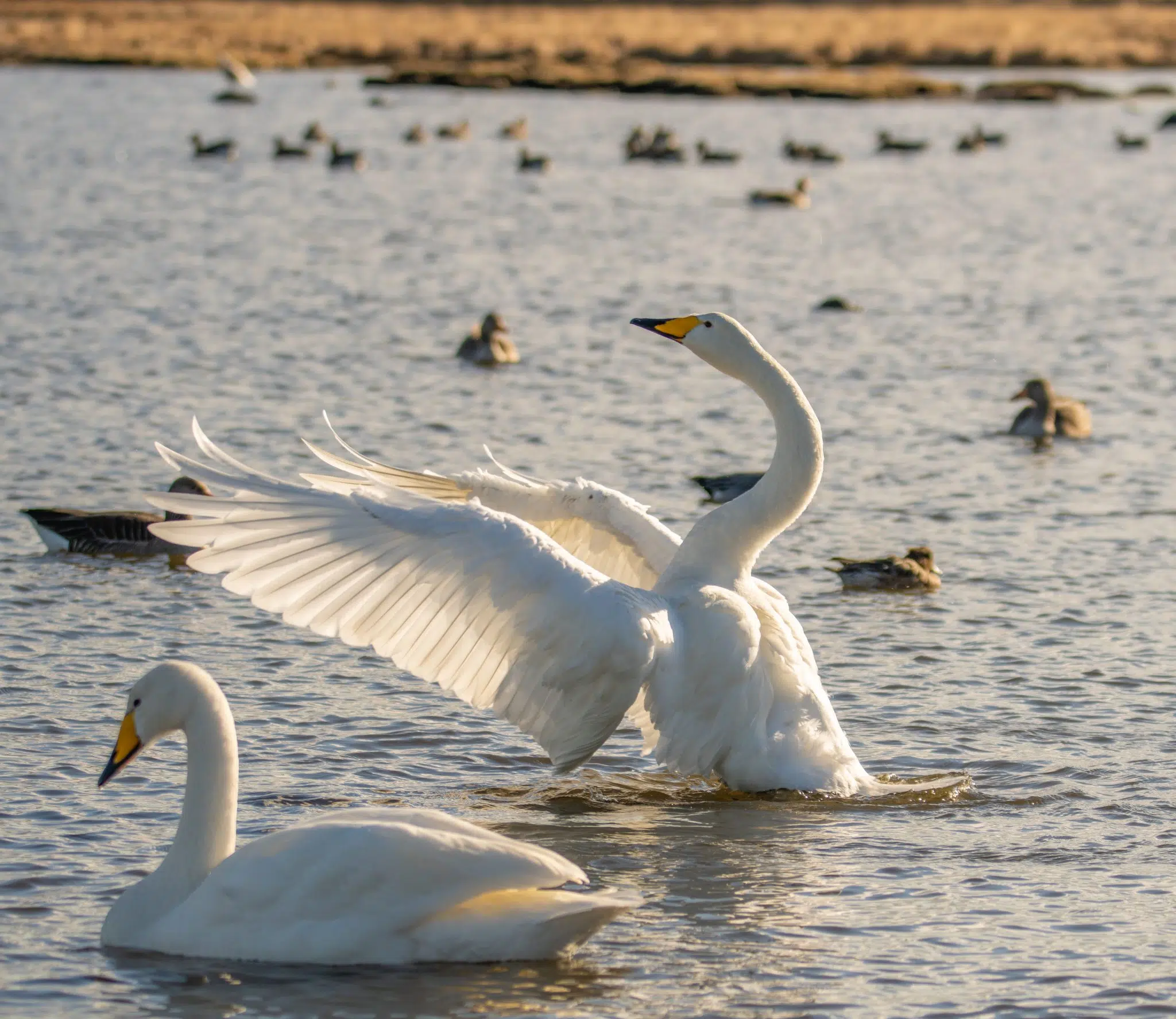
World Migratory Bird Day is a global campaign raising awareness of the need to conserve migratory birds and their habitats. It is celebrated twice a year, in May and October, reflecting seasonal migration around the world. In 2026, the October date is 10 October, and the theme highlights the role of citizen science in migratory bird conservation.